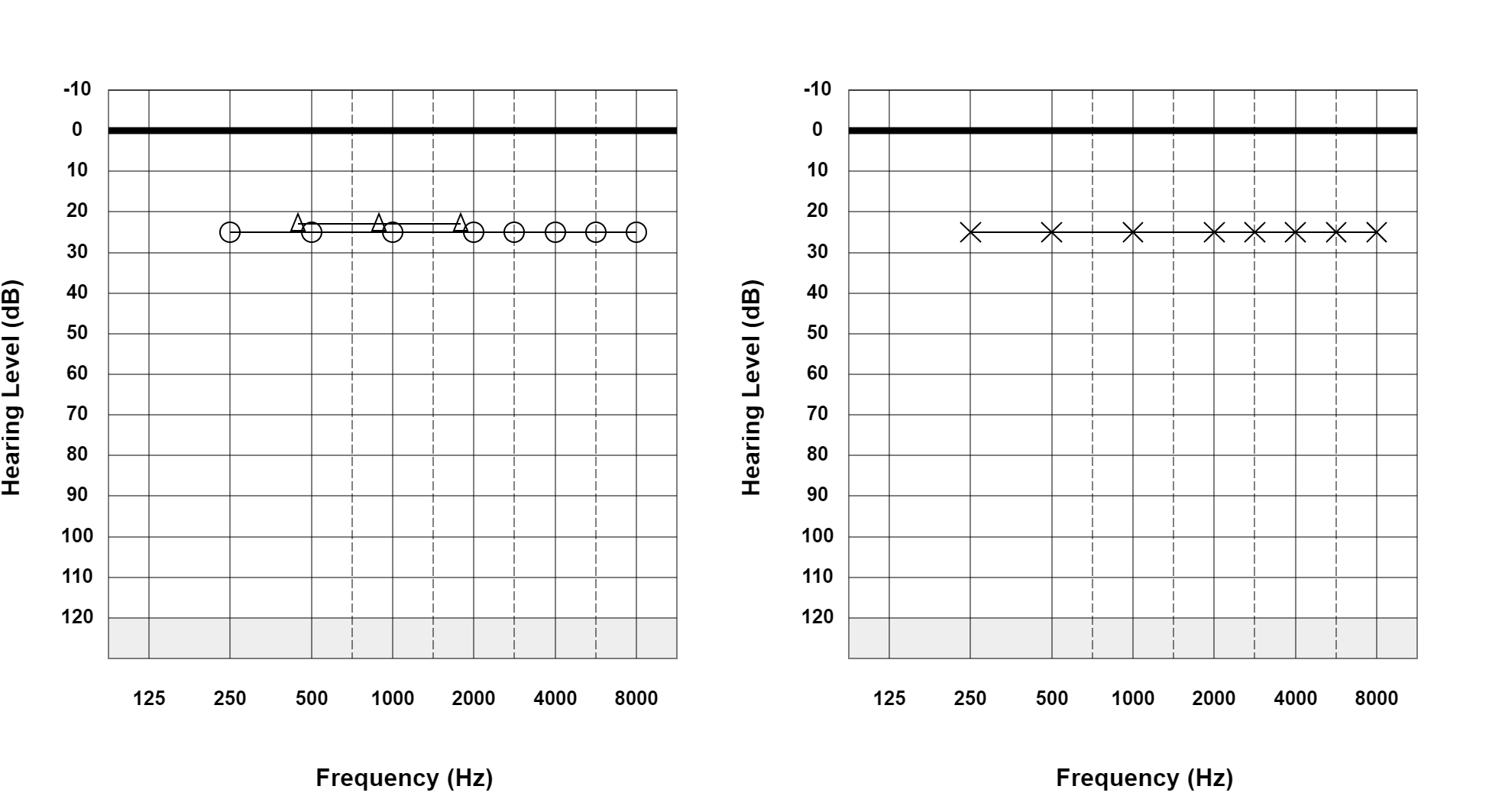
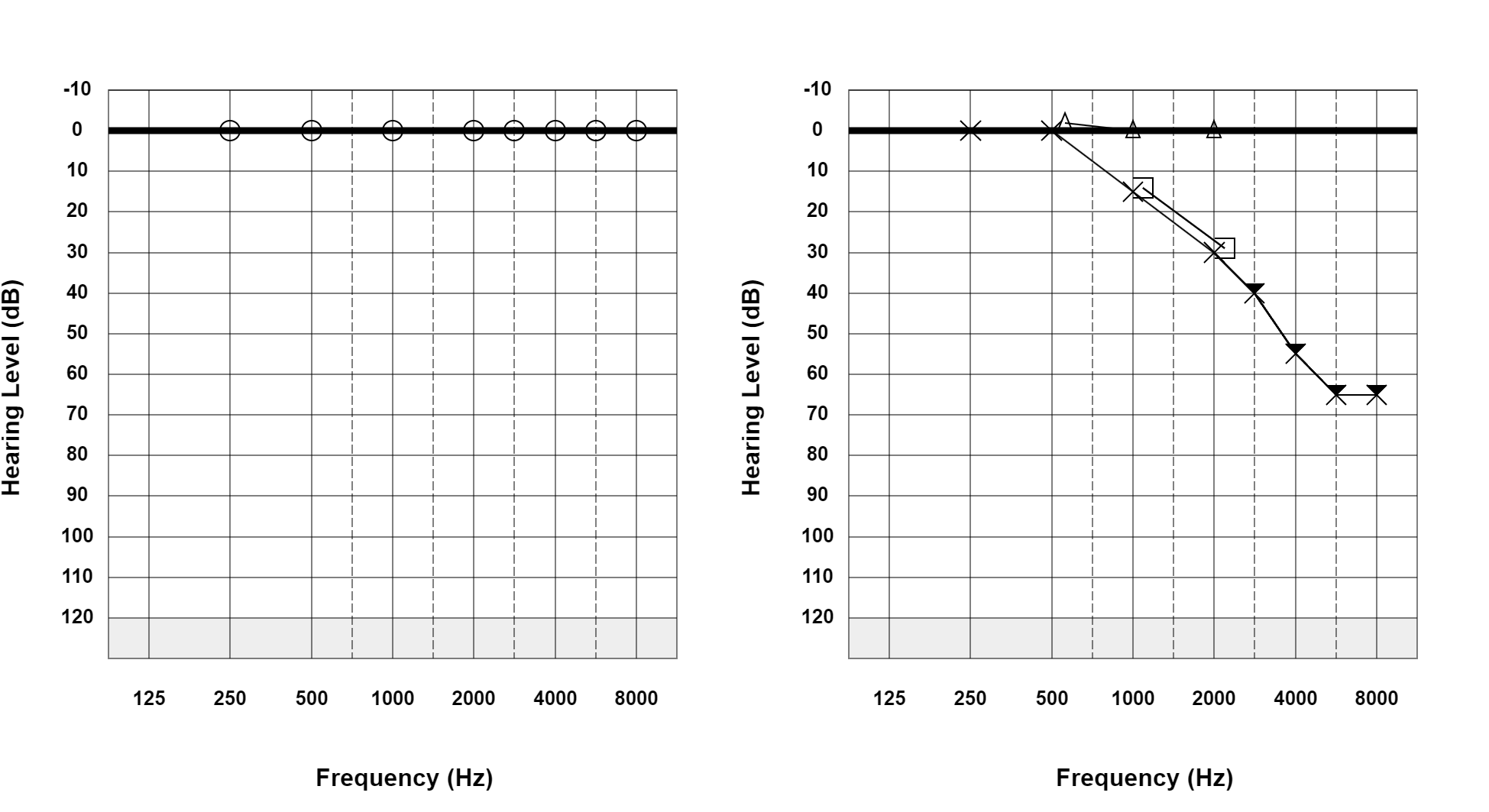
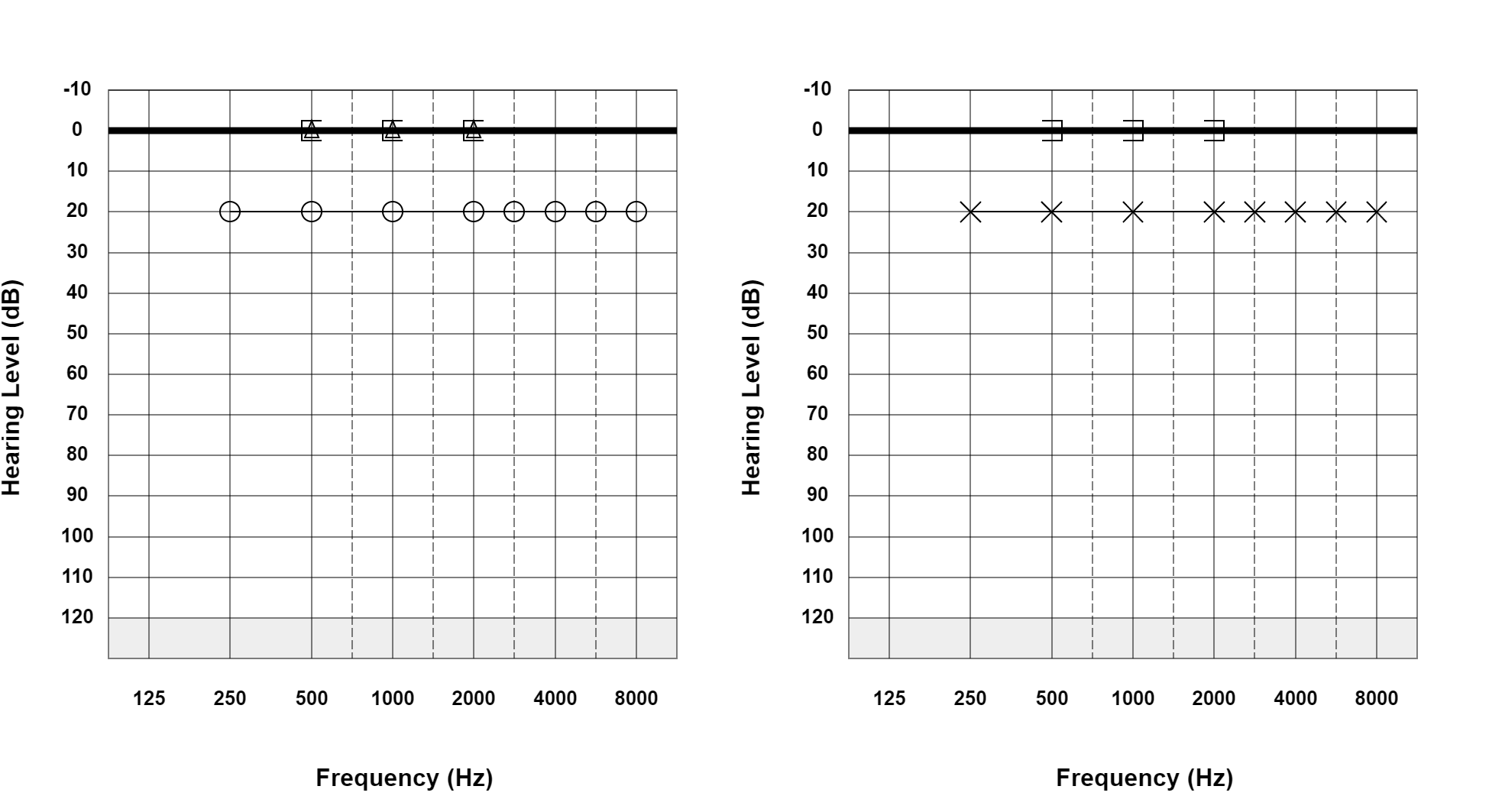
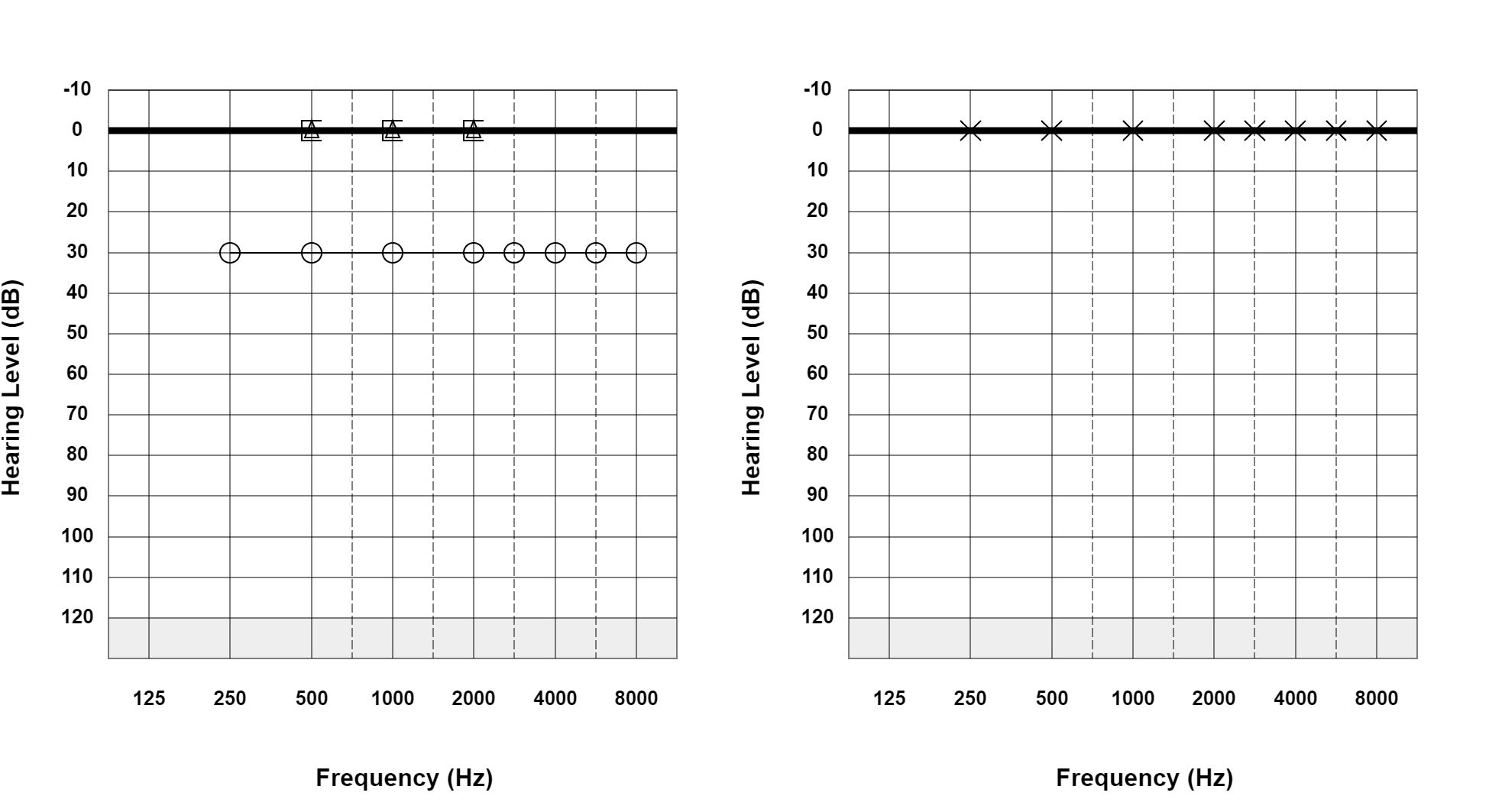
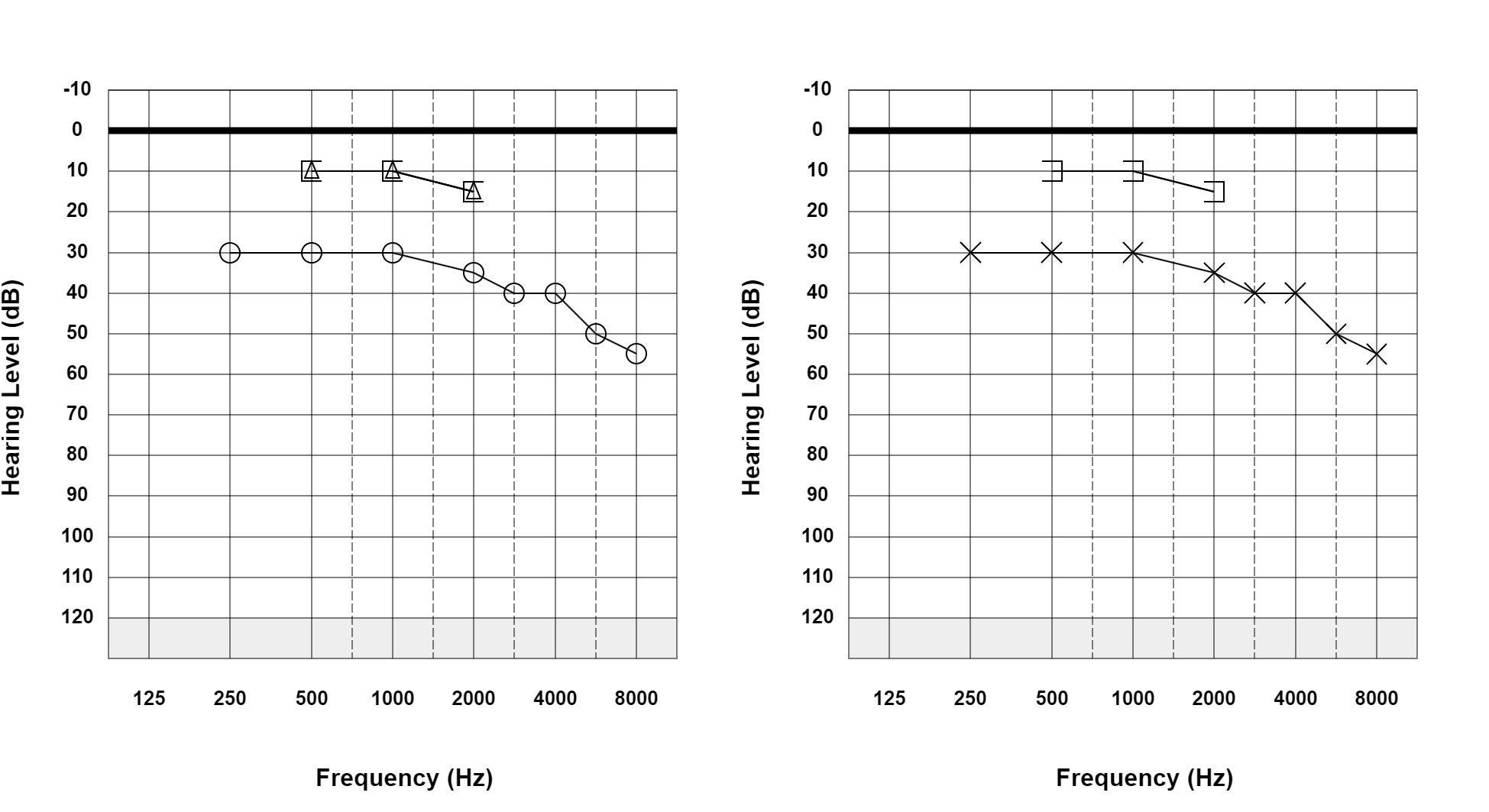
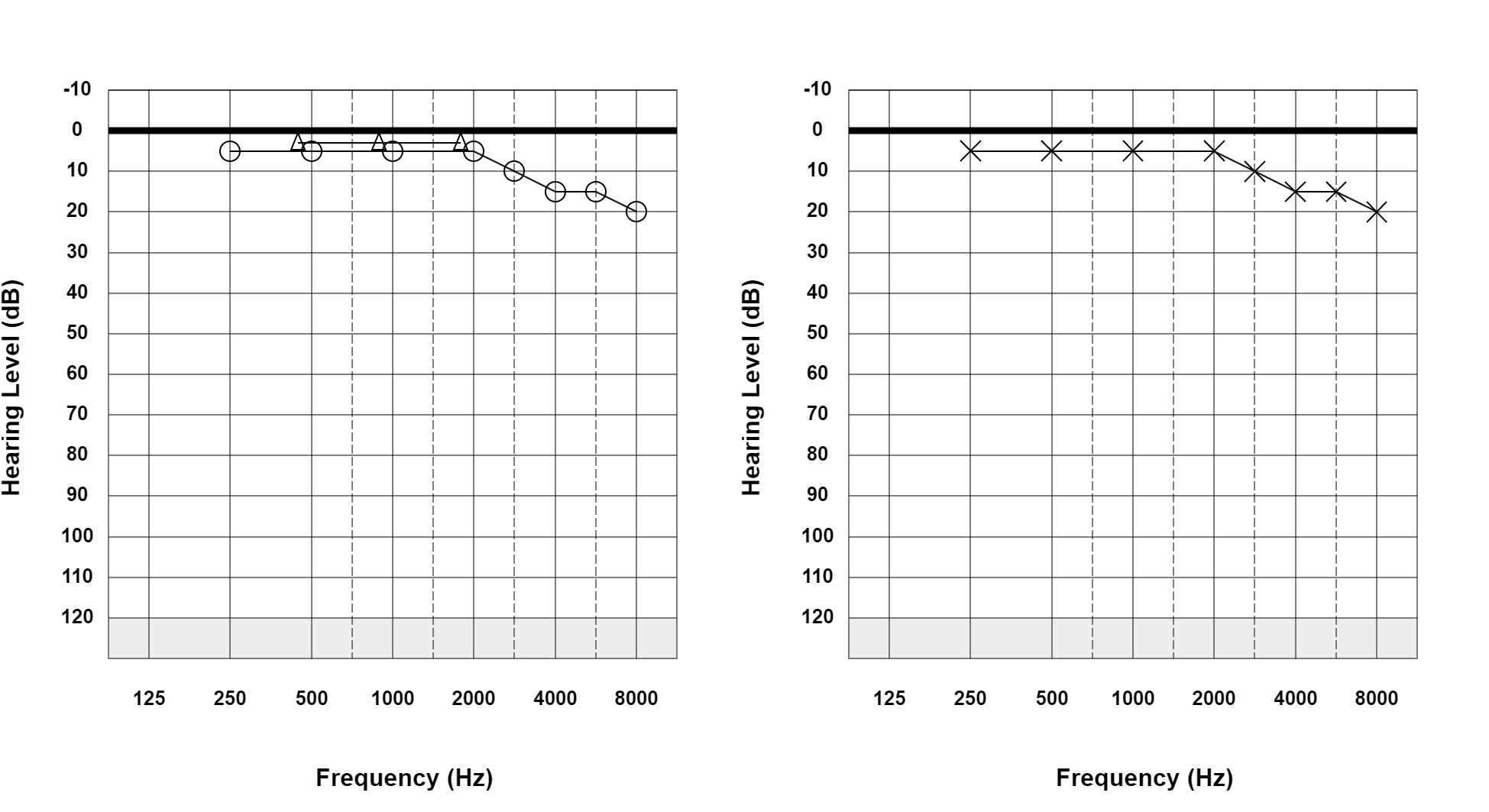
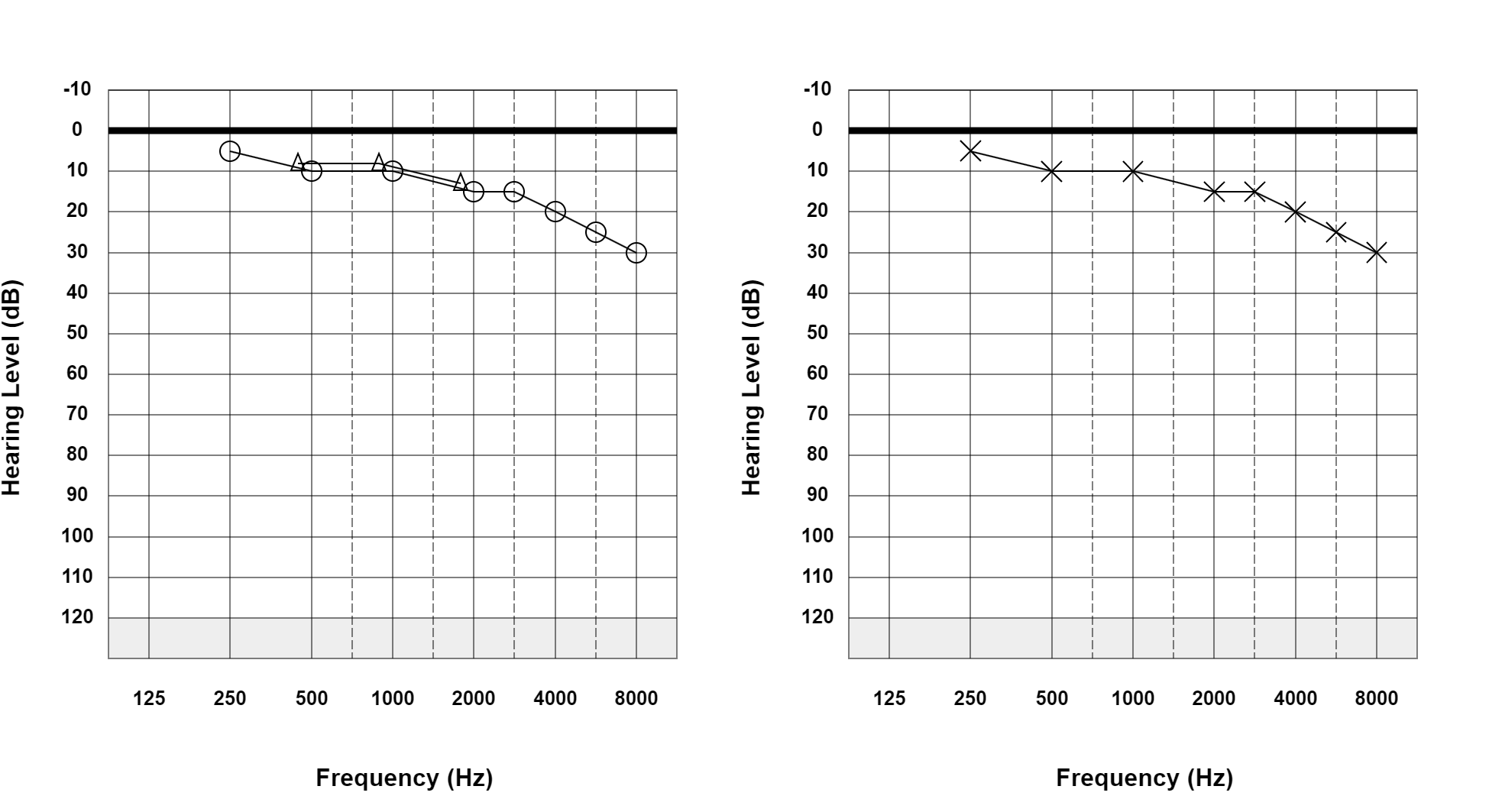
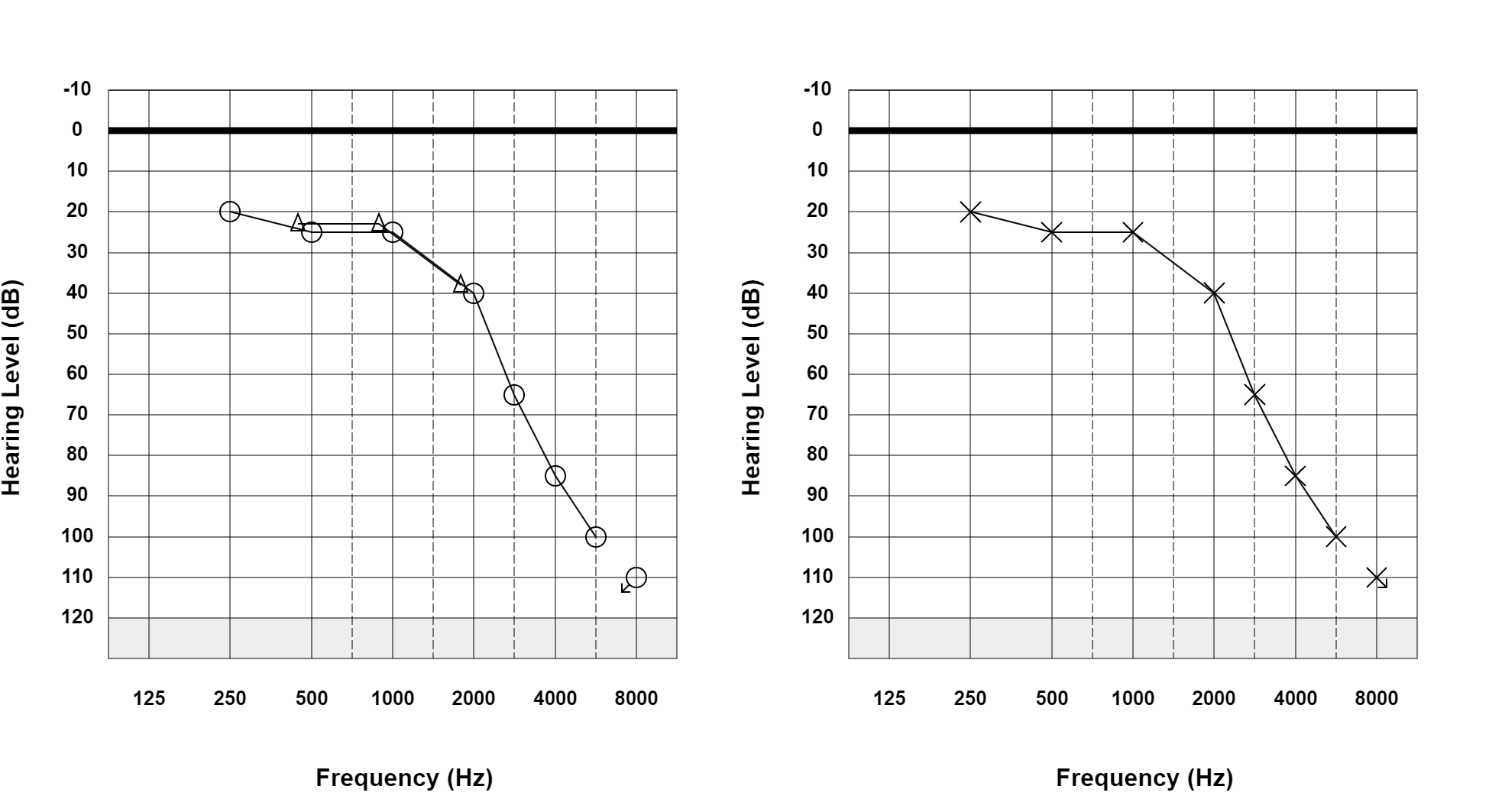
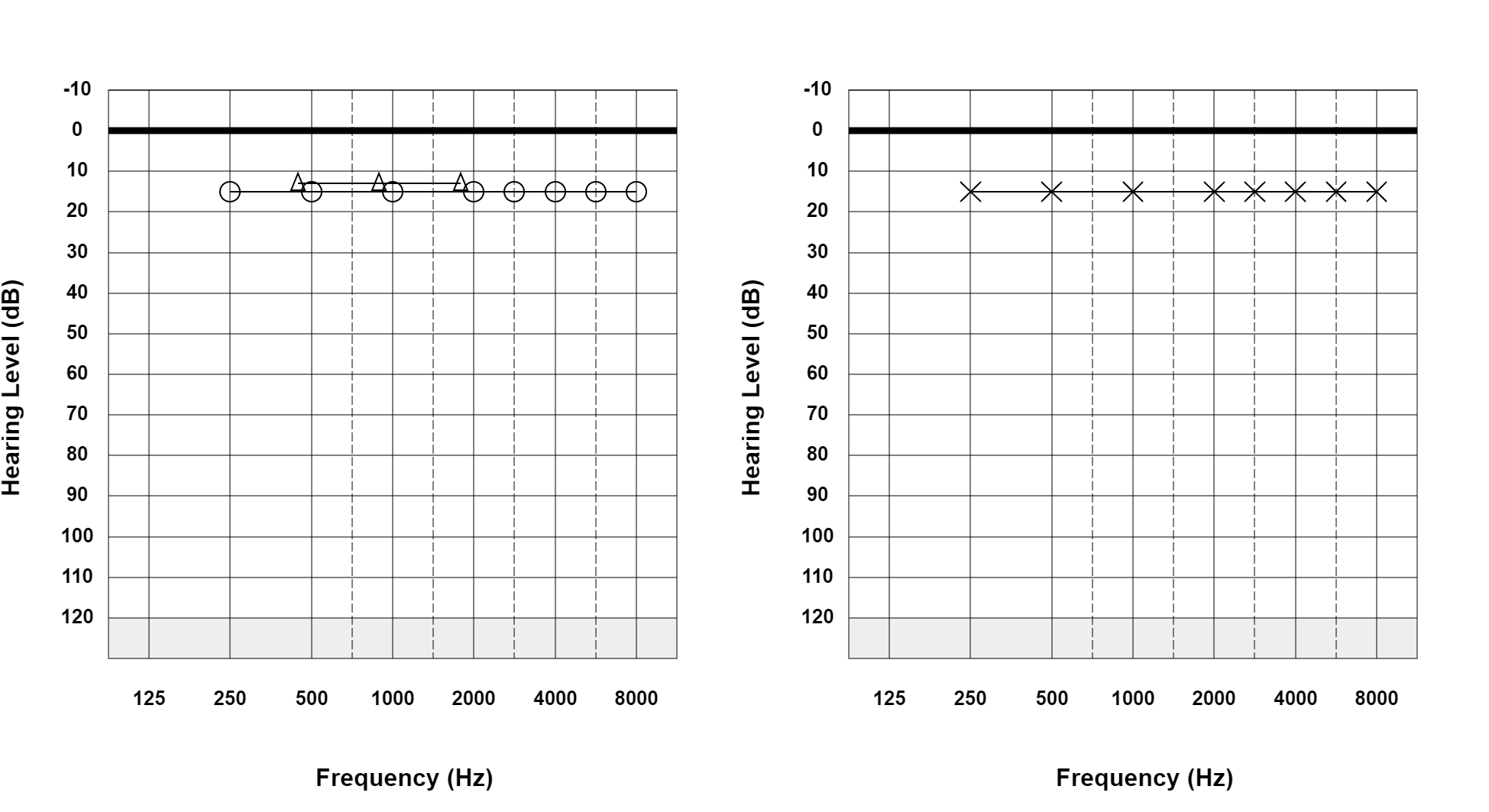
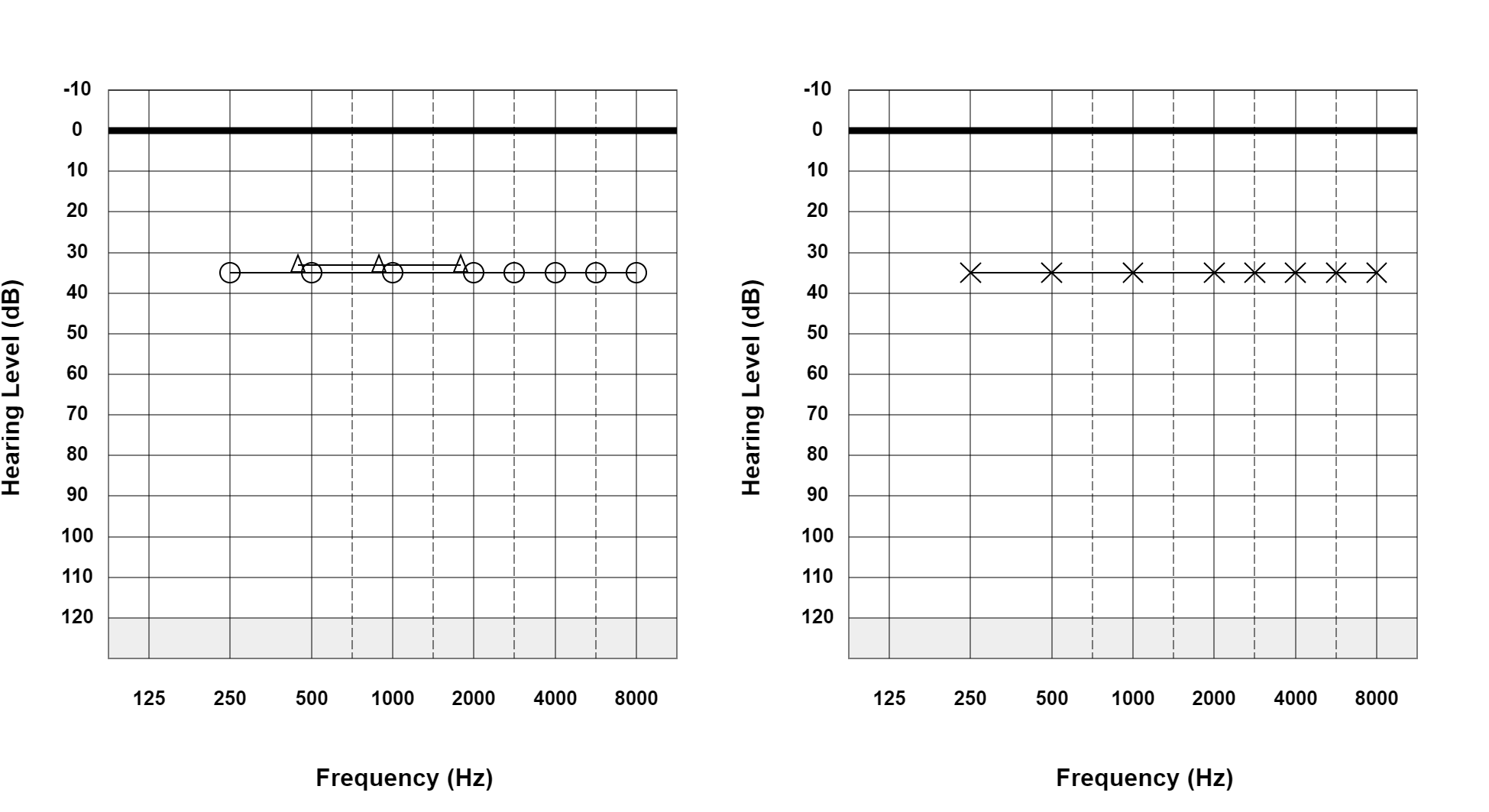
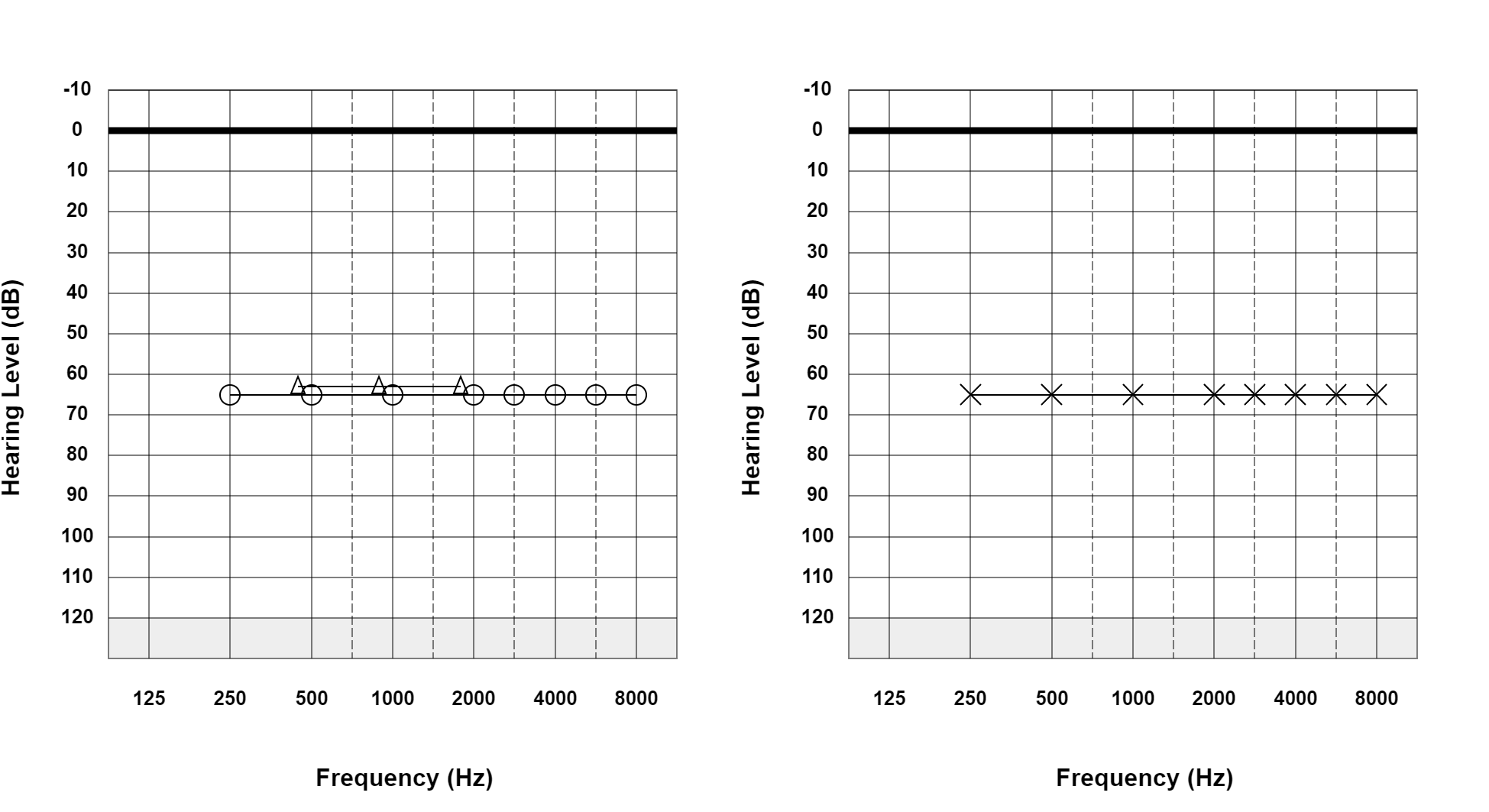
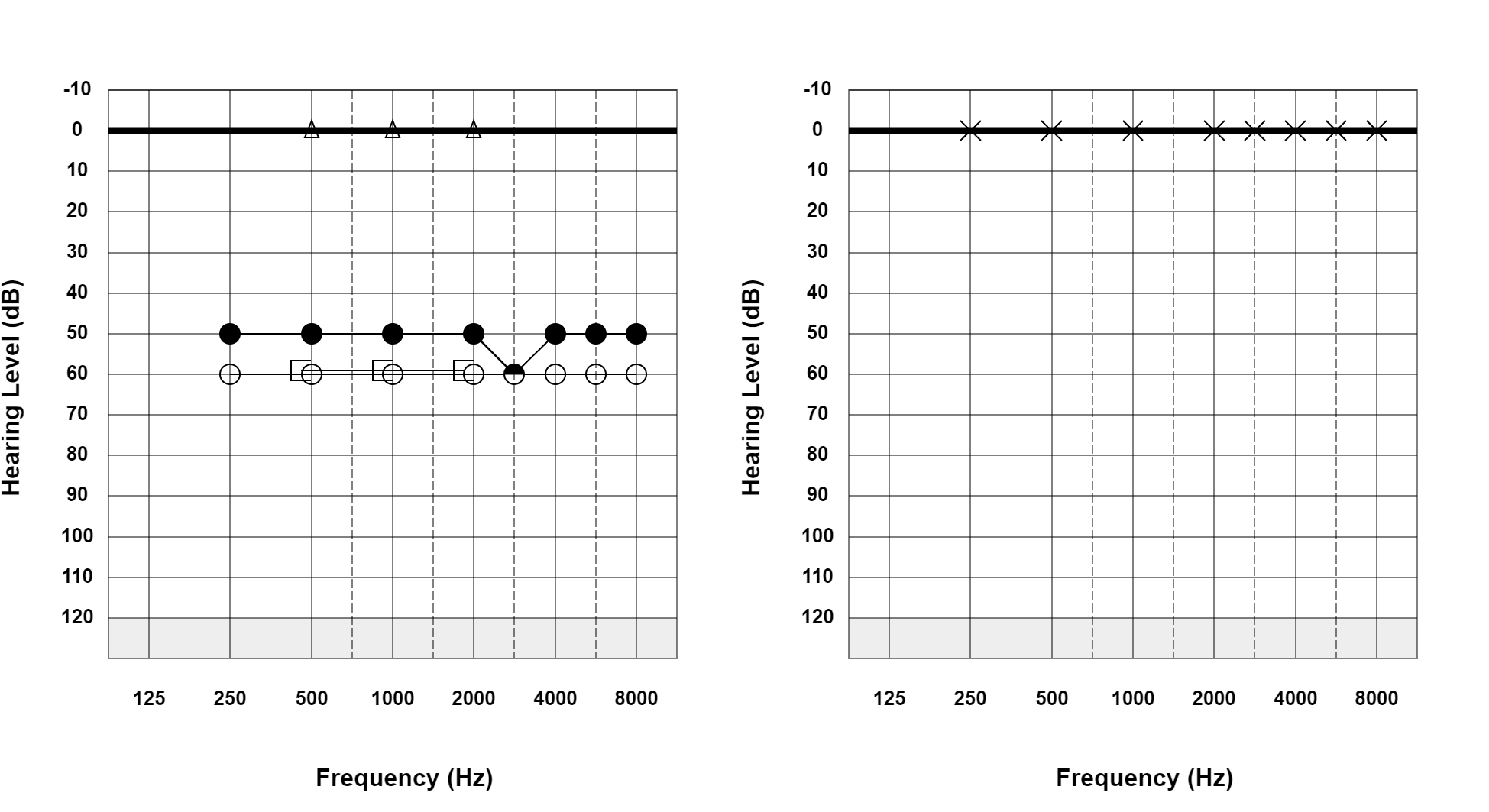
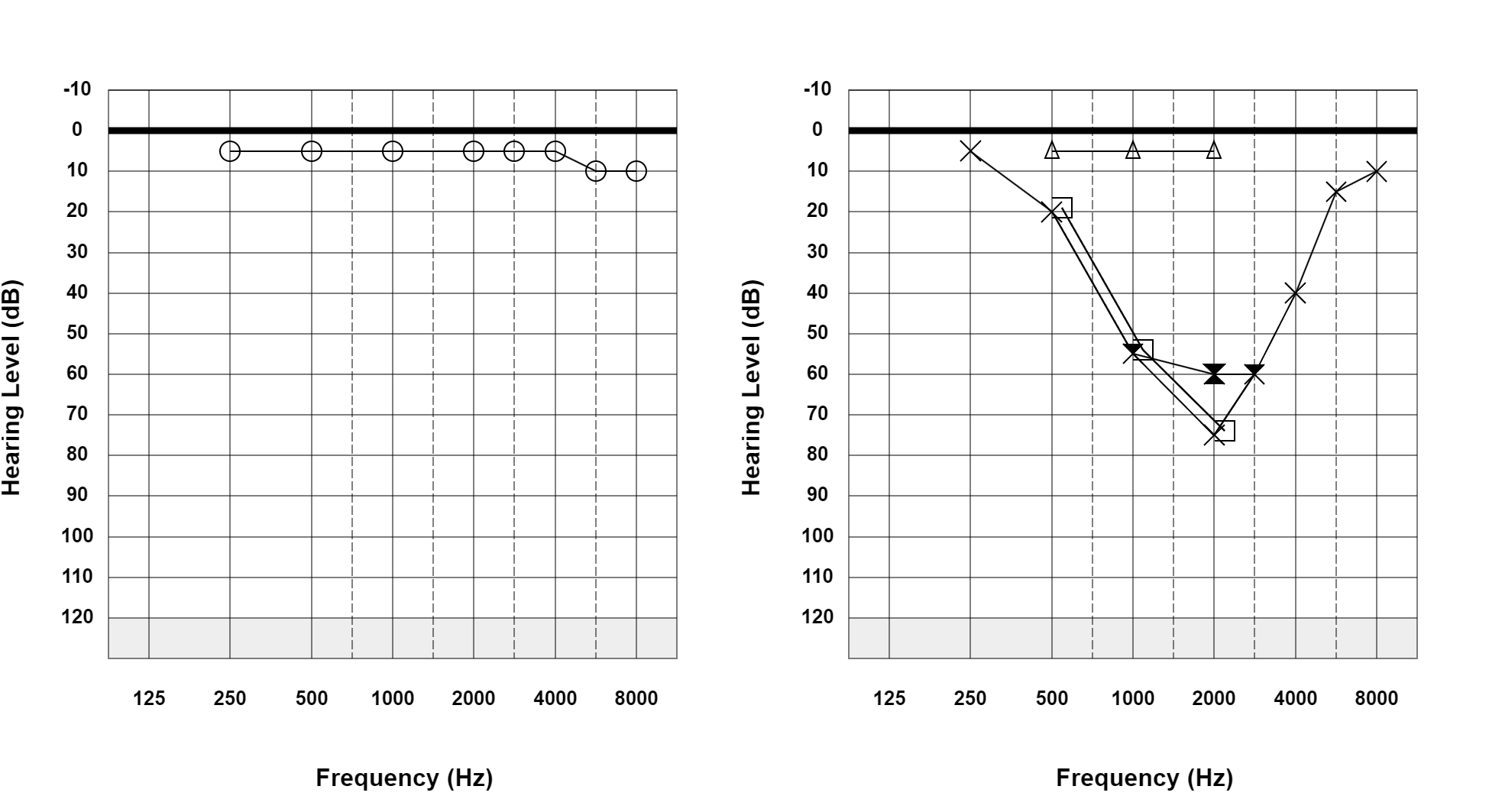
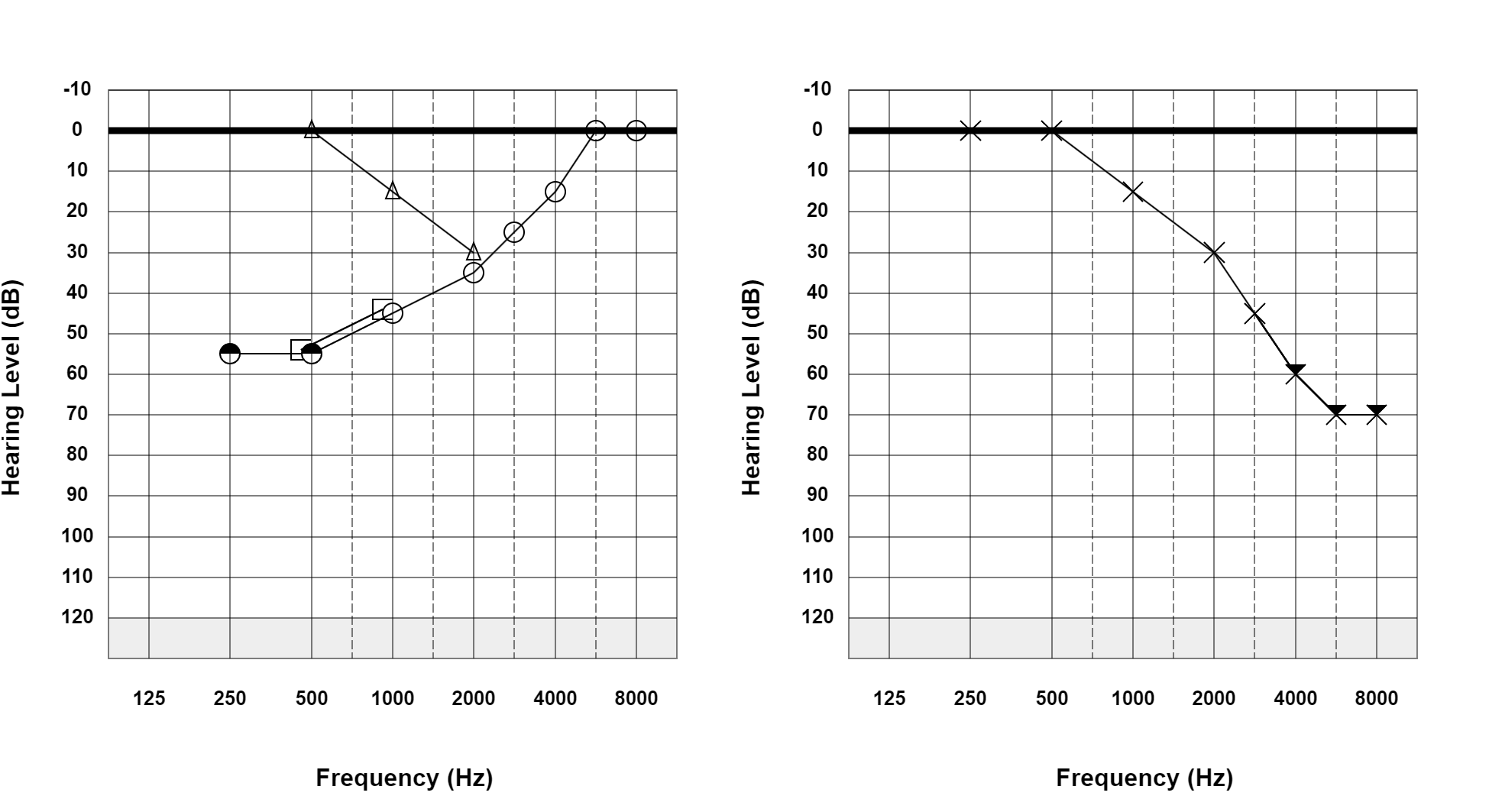
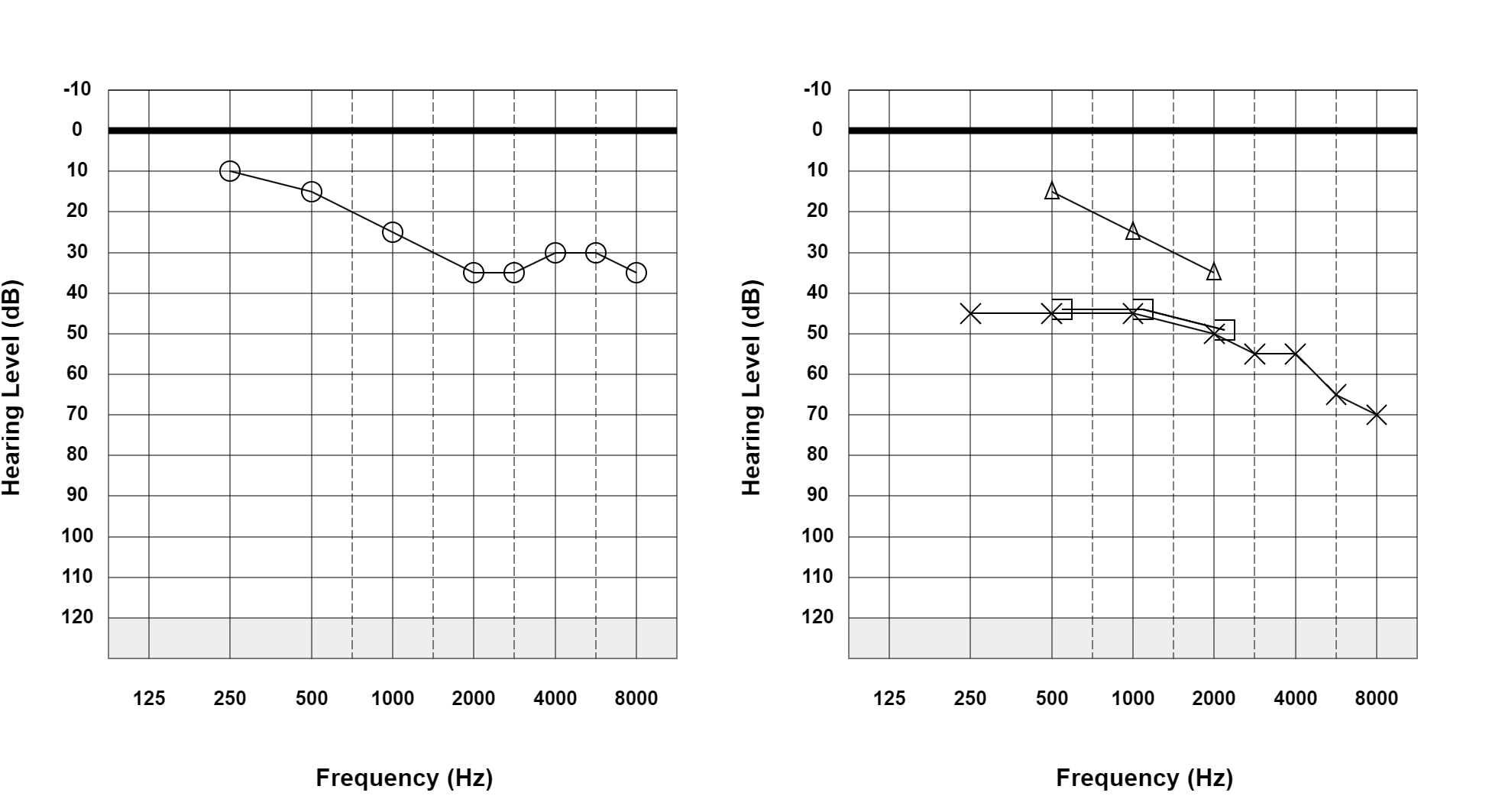
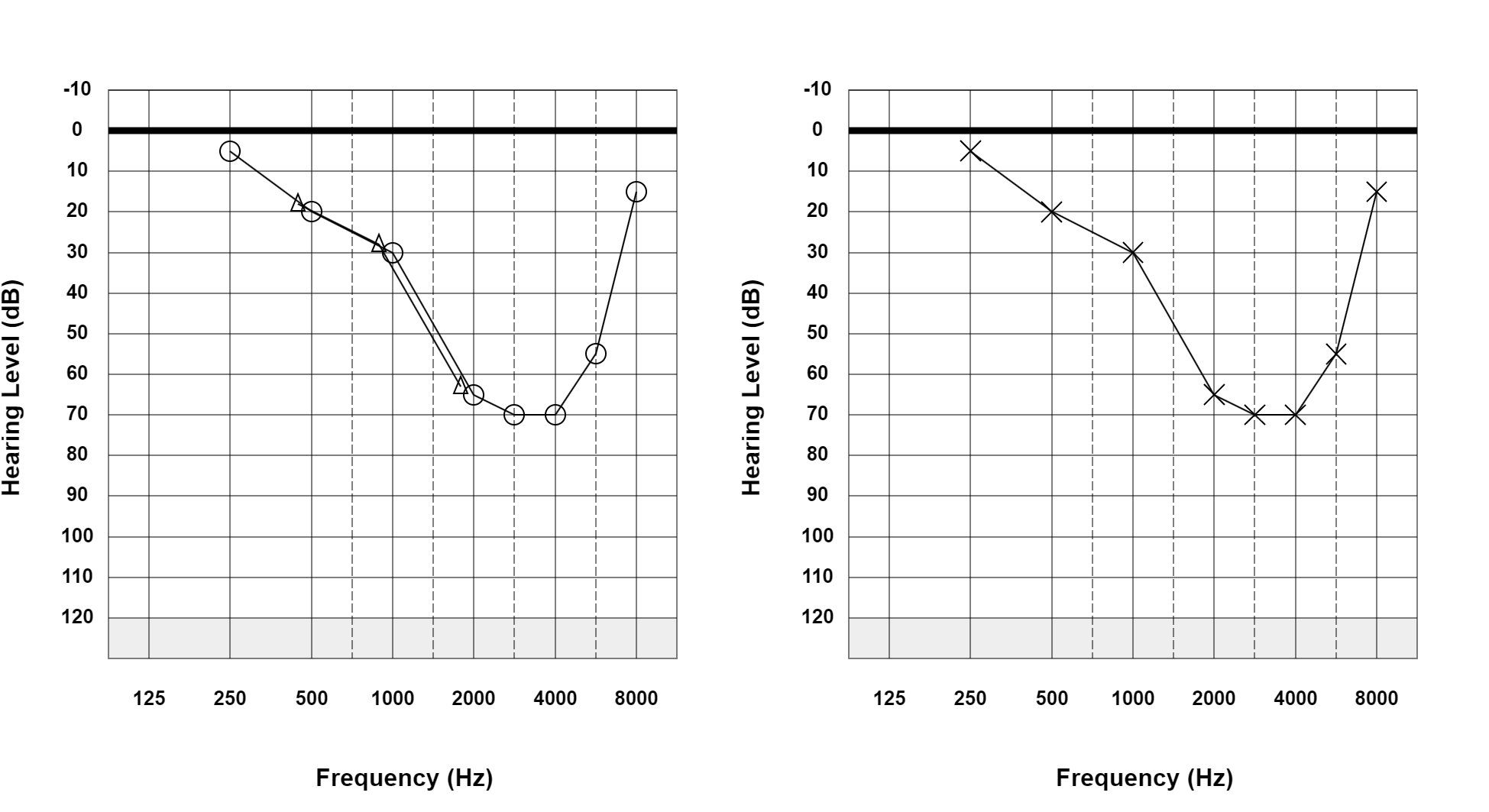
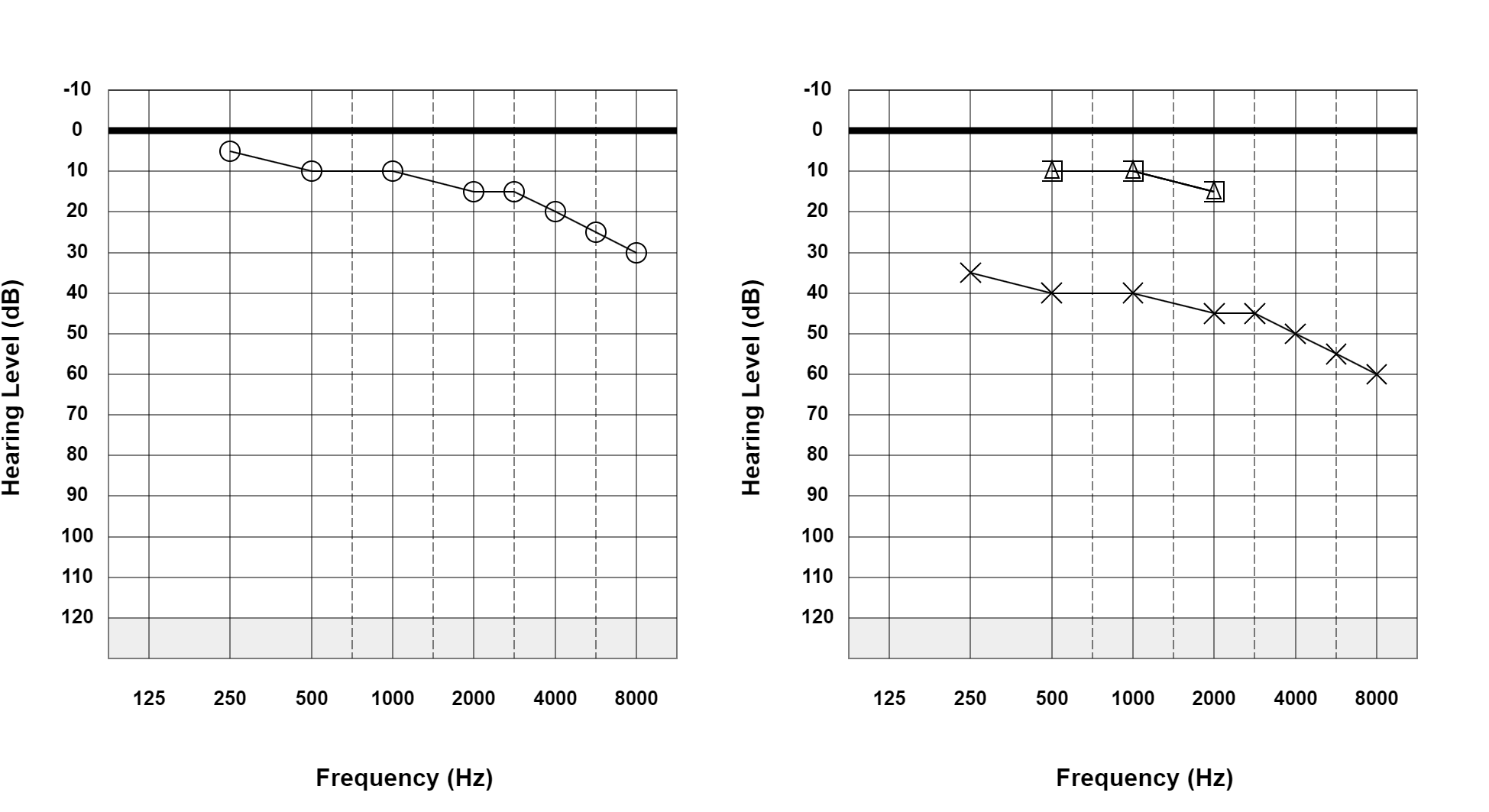
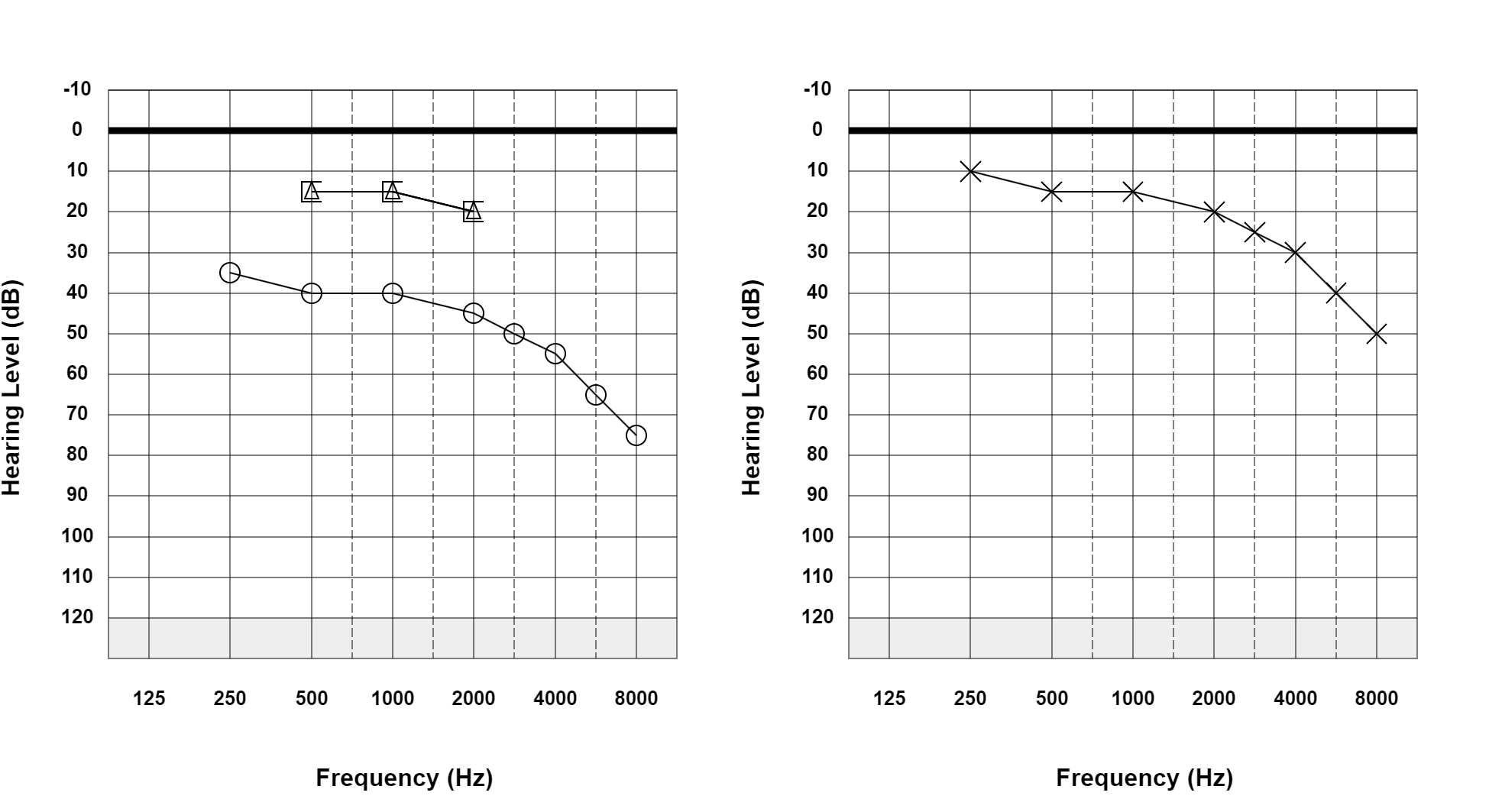
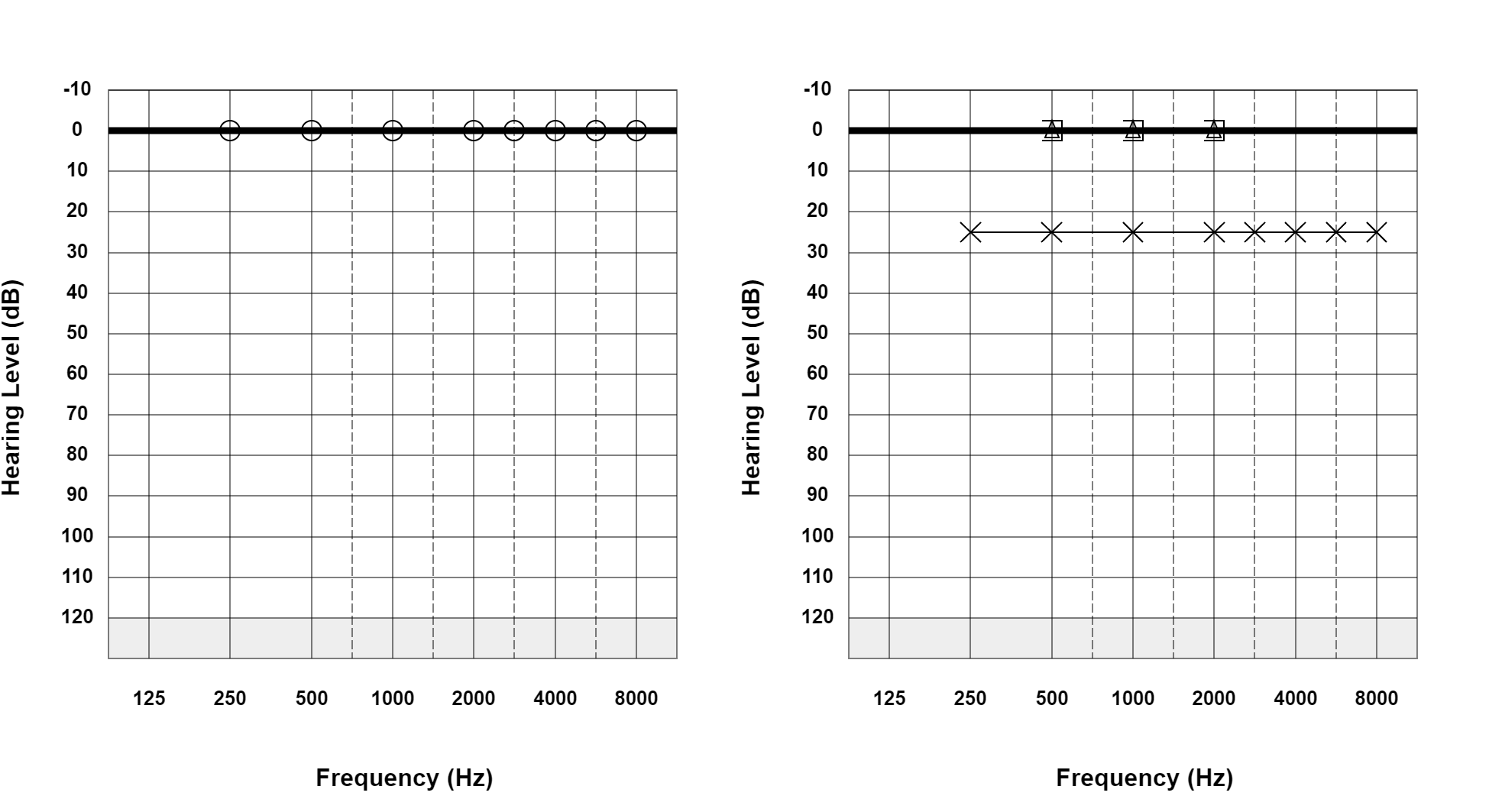
EasyPractice · tools availableCase 01 · Symmetrical mild SNHL
Case history: The patient is uncertain if they have a better ear, likely both the same
Start with an empty audiogram. Measure AC and BC, then use Tutorial to check your results. Reveal the reference PTA only when you are ready.
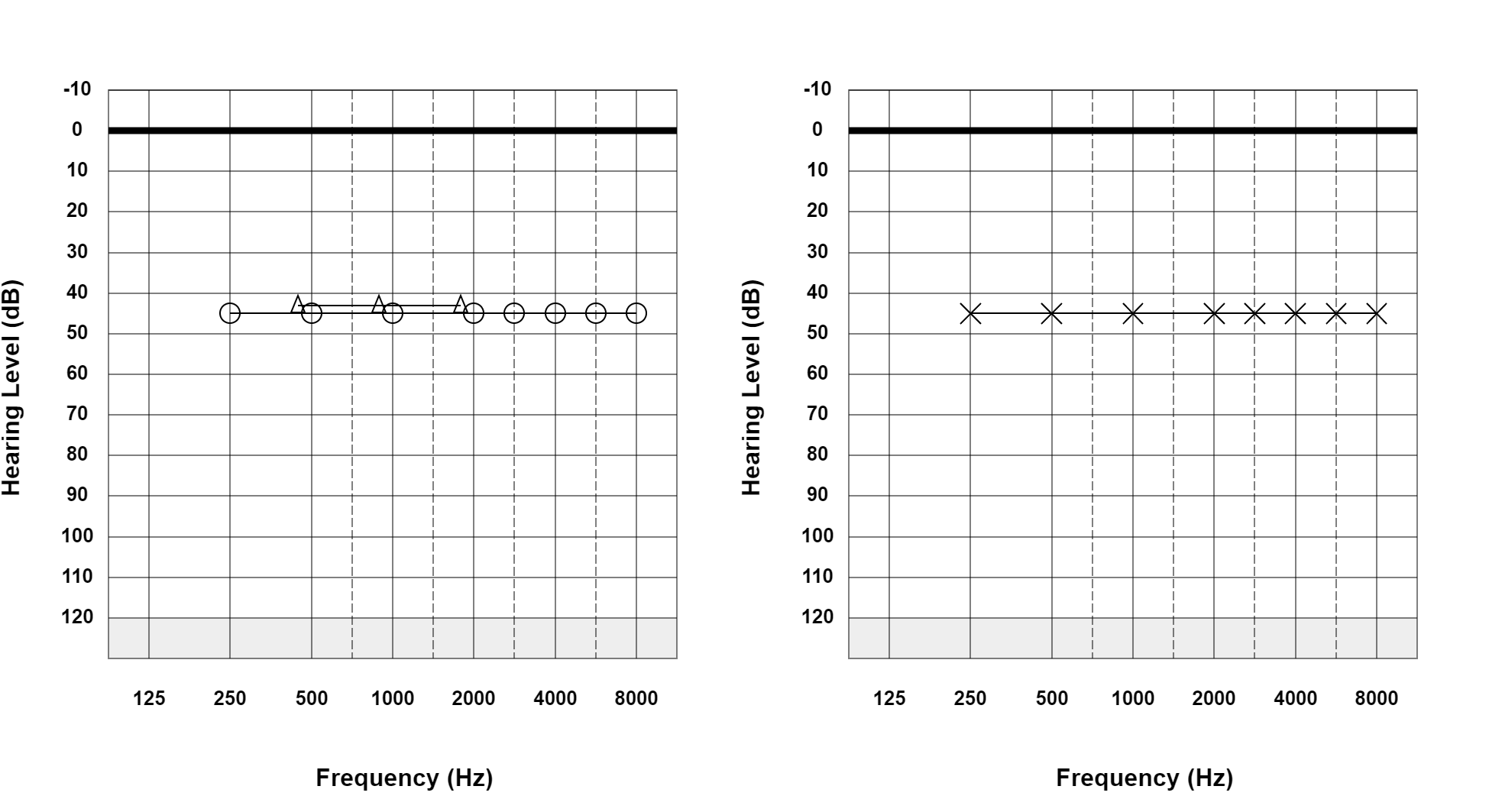
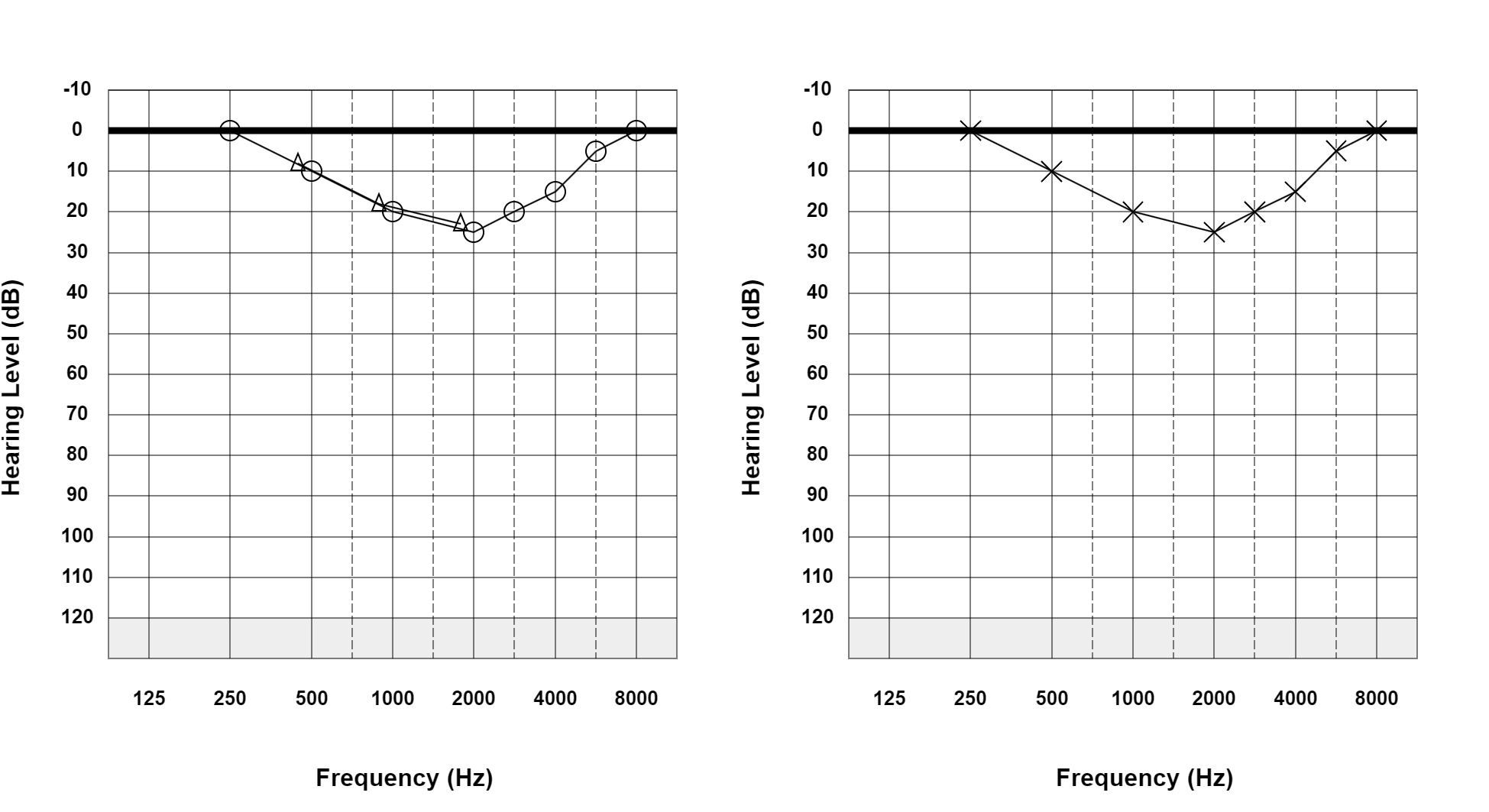
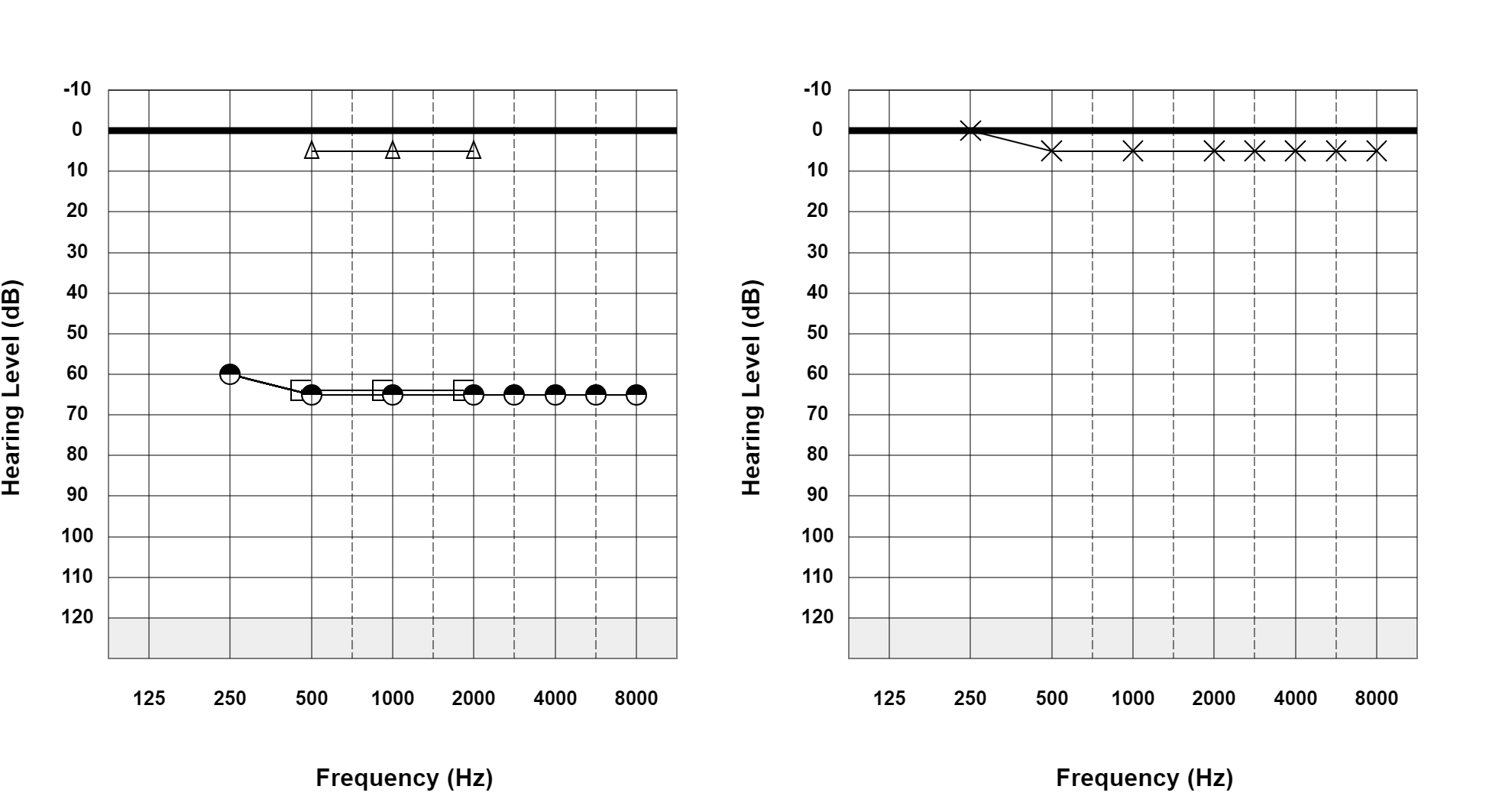
EasyPractice · tools availableCase 02 · Symmetrical moderate SNHL
Case history: The patient is uncertain if they have a better ear, likely both the same
Start with an empty audiogram. Measure AC and BC, then use Tutorial to check your results. Reveal the reference PTA only when you are ready.
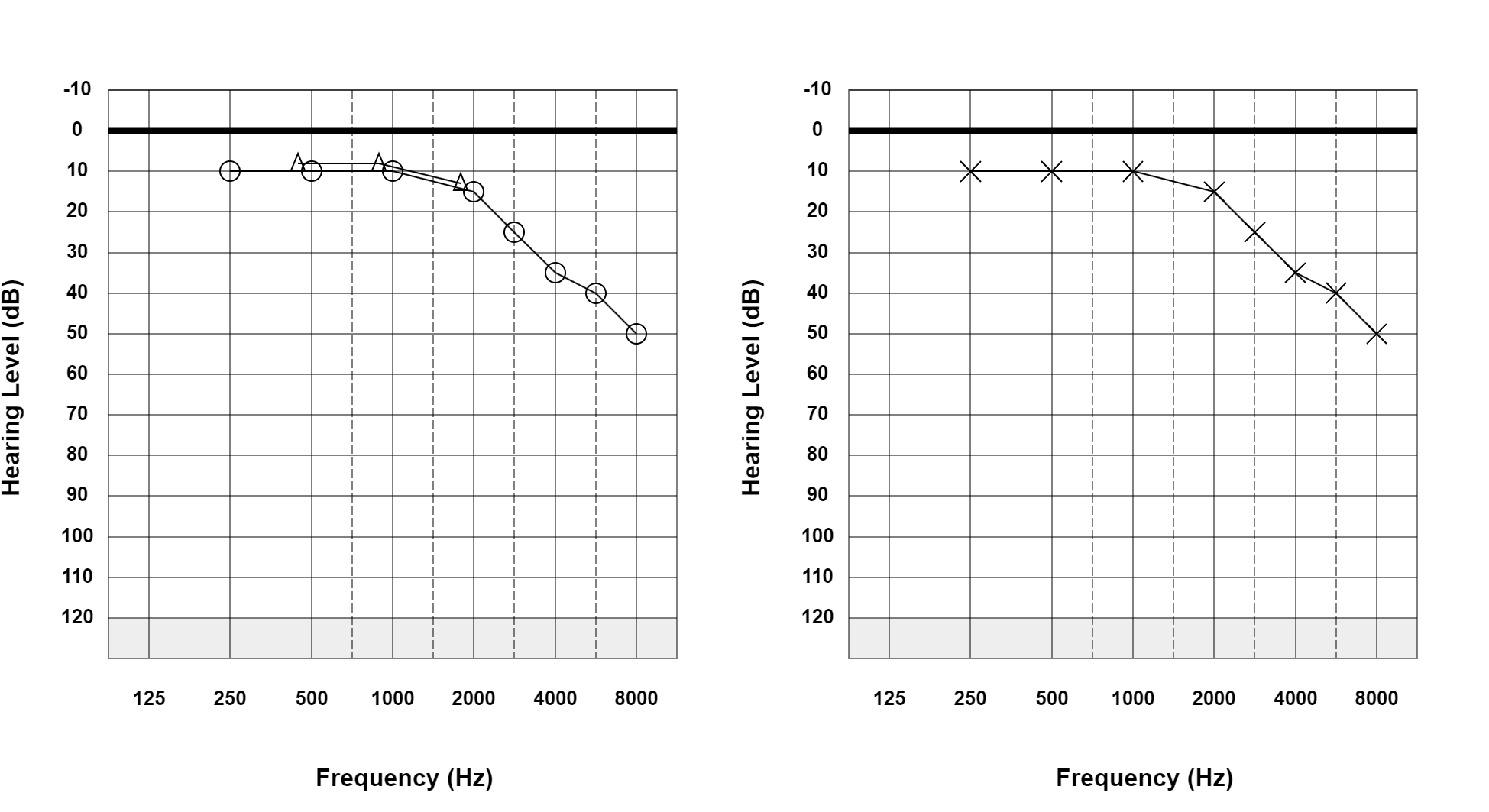
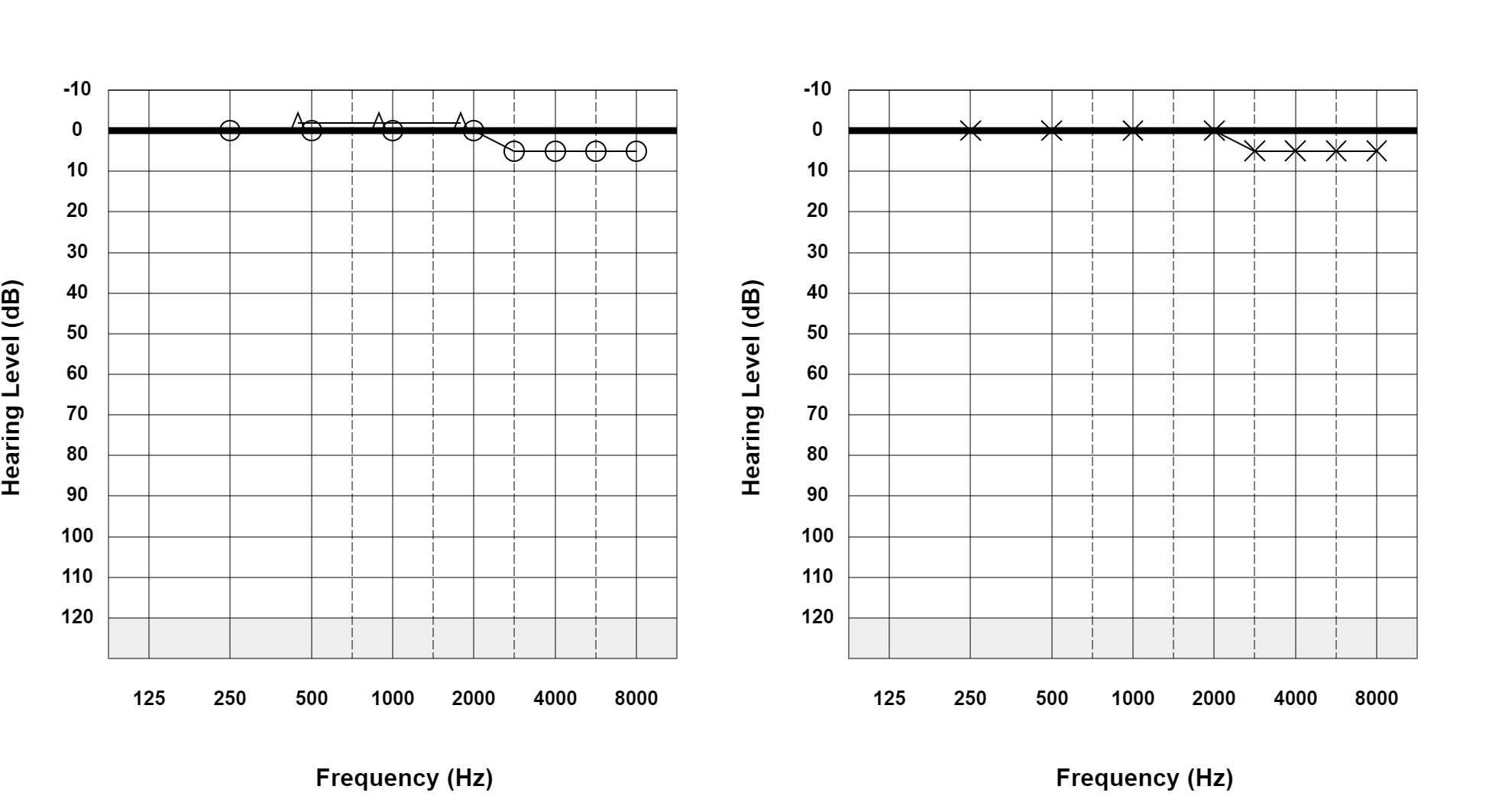
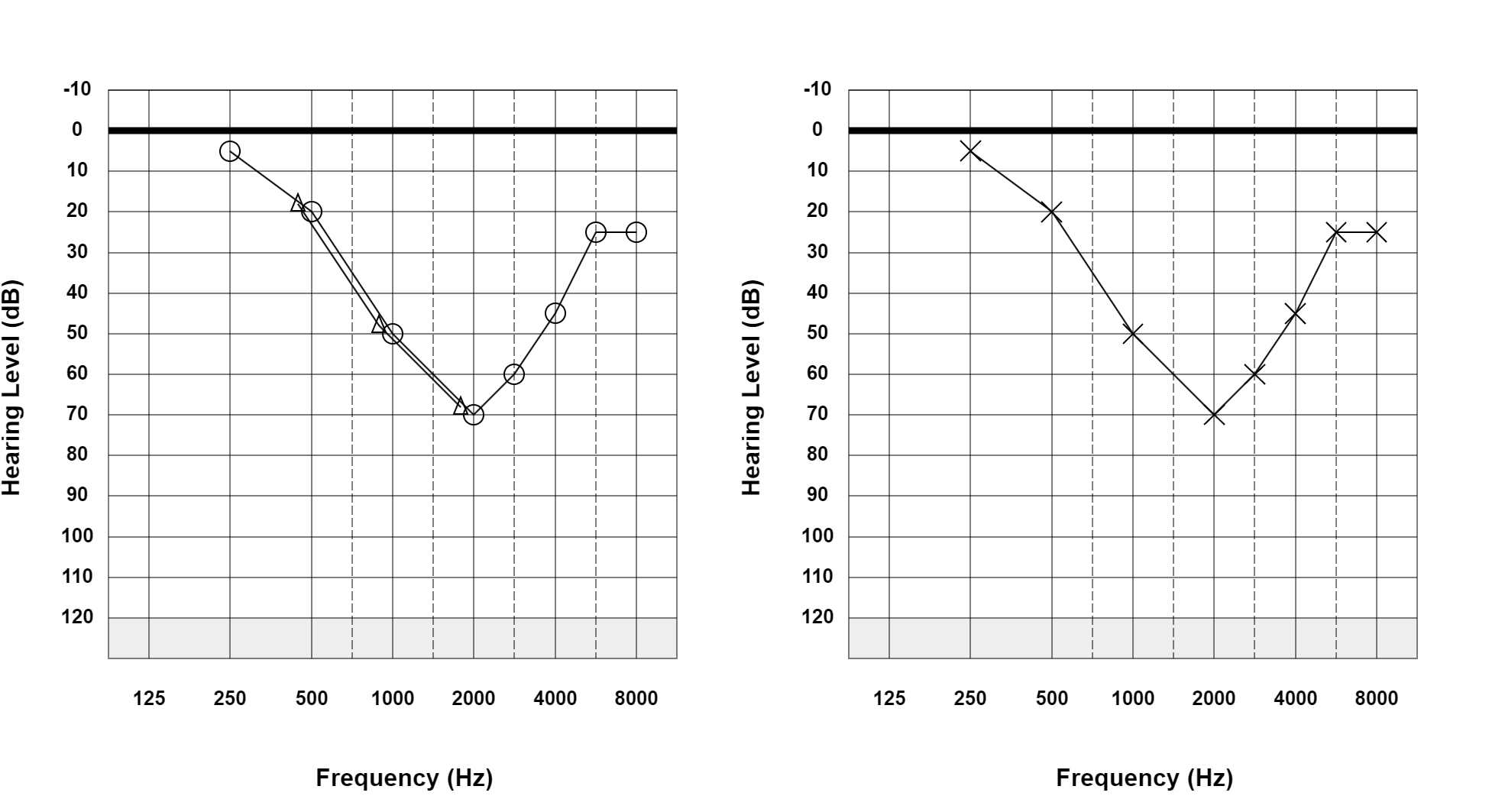
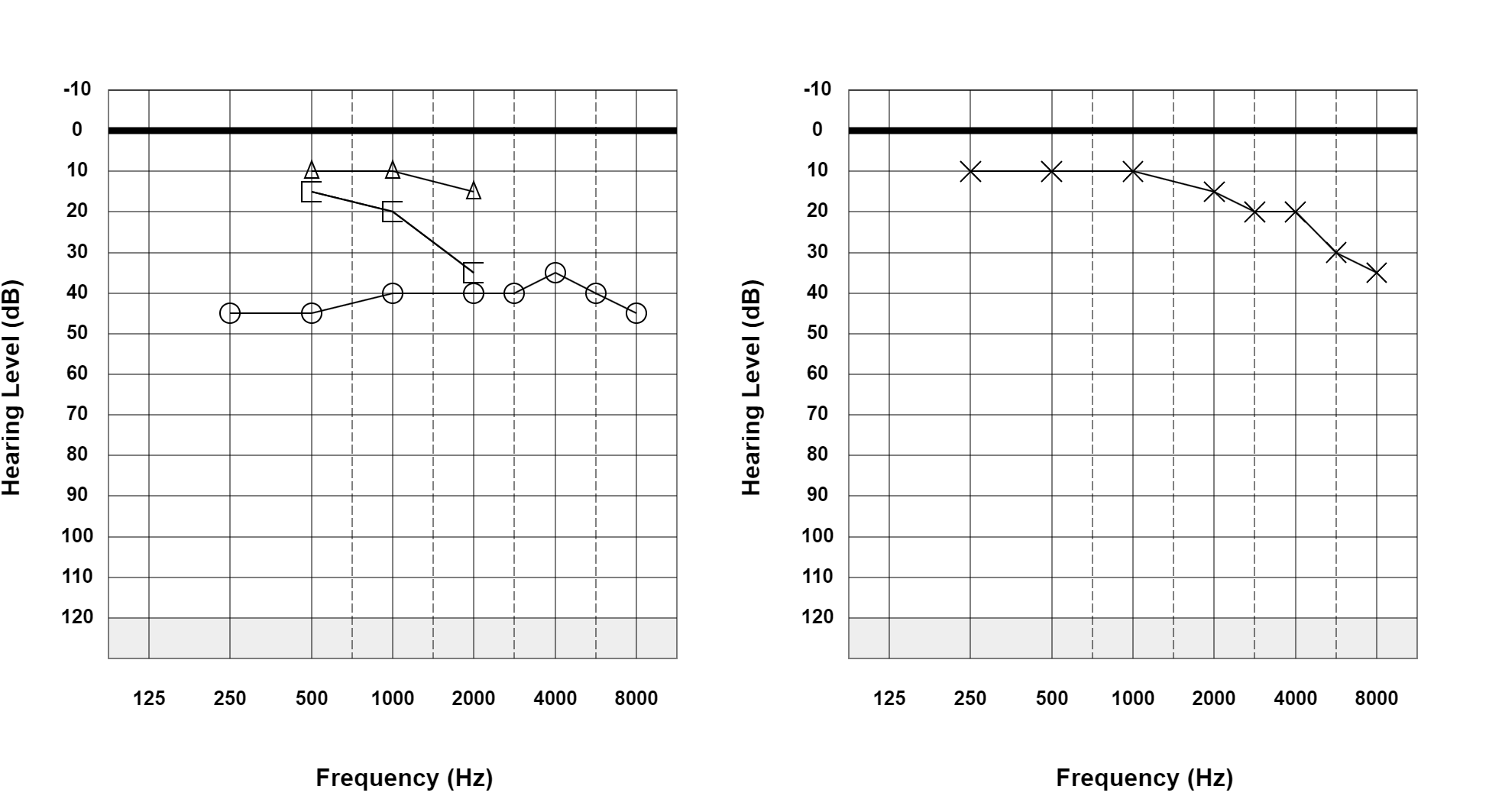
EasyPractice · tools availableCase 03 · Age-related high-frequency SNHL
Case history: The patient is uncertain if they have a better ear, likely both the same
Start with an empty audiogram. Measure AC and BC, then use Tutorial to check your results. Reveal the reference PTA only when you are ready.
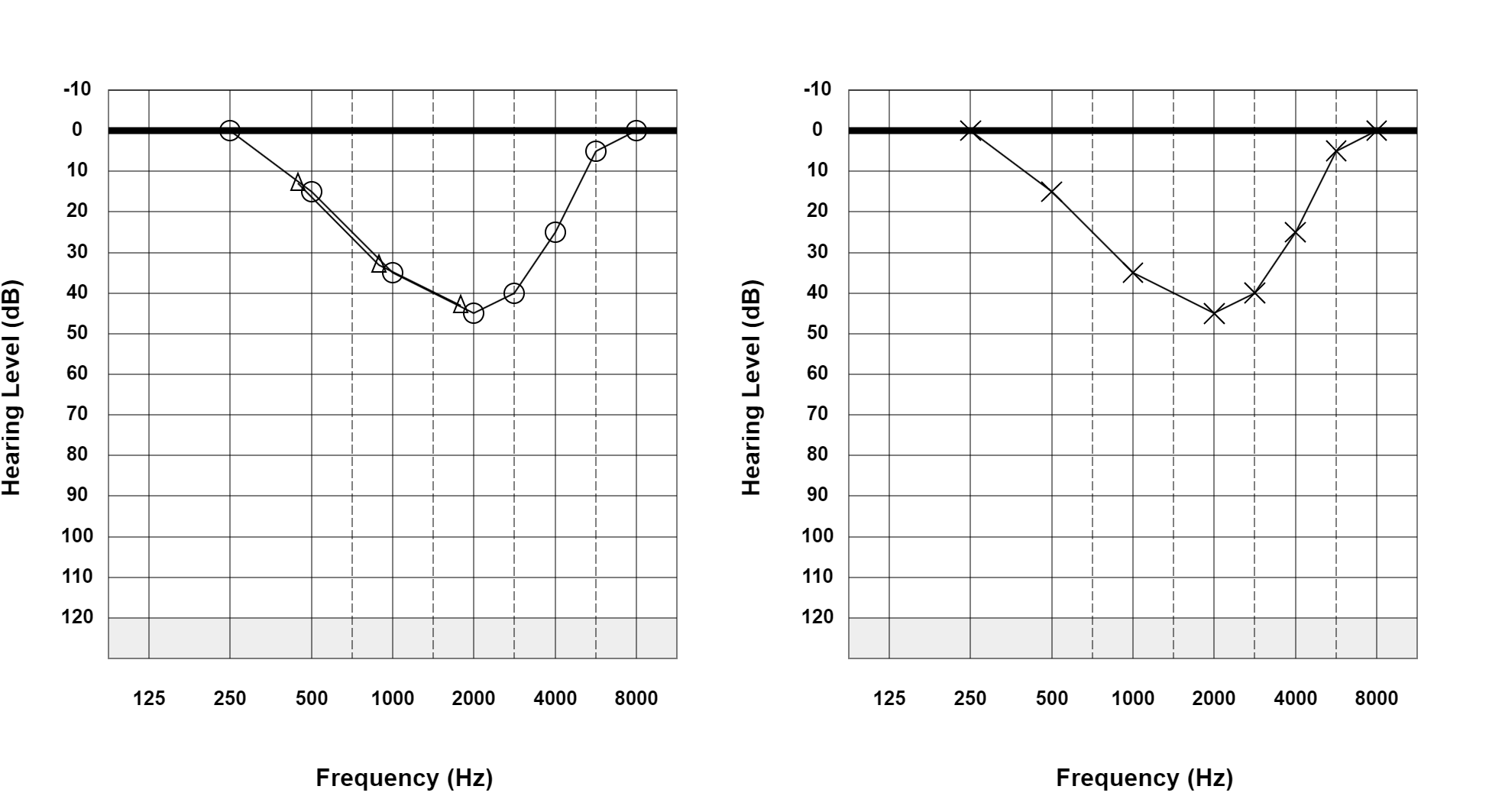
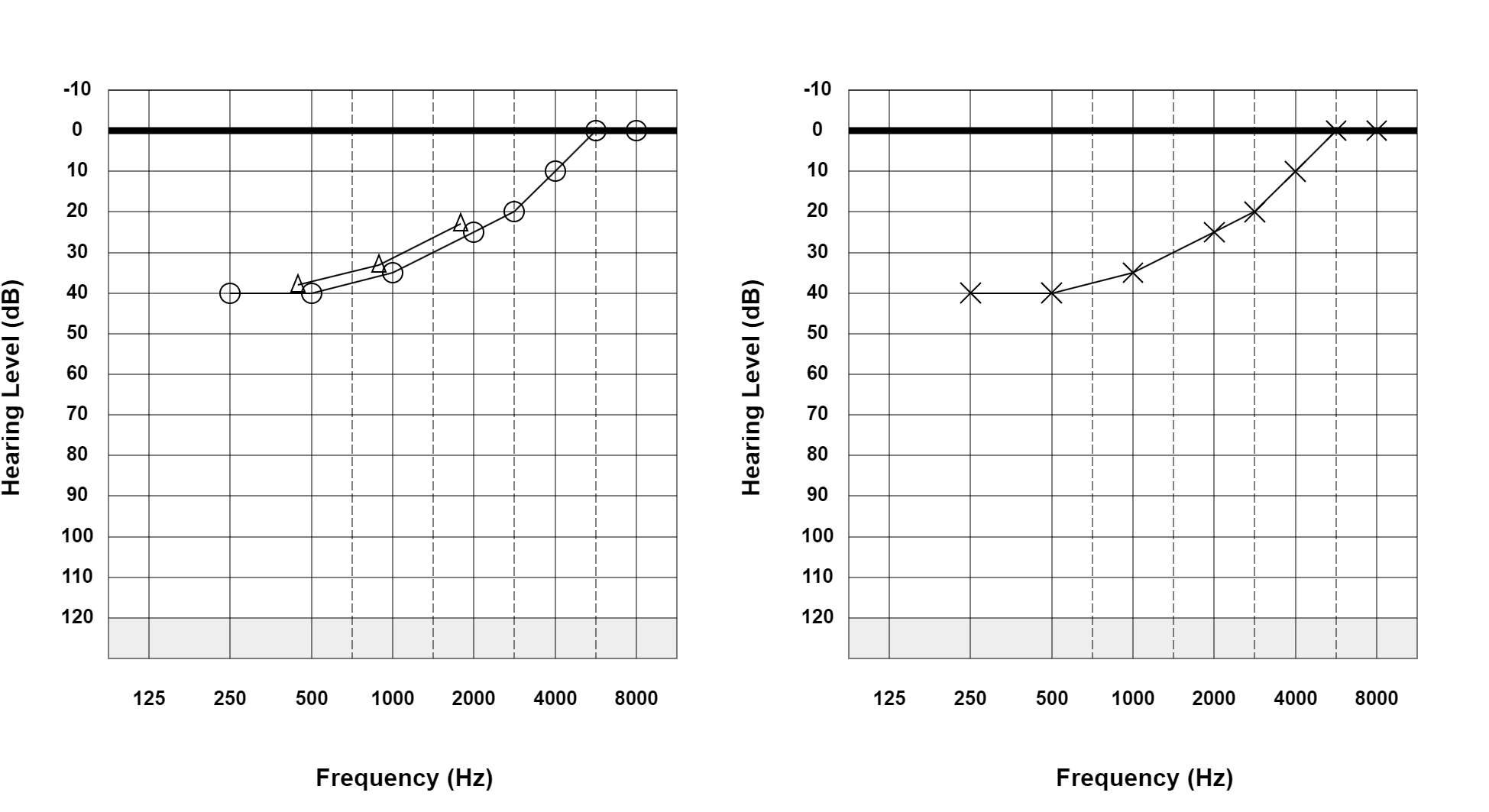
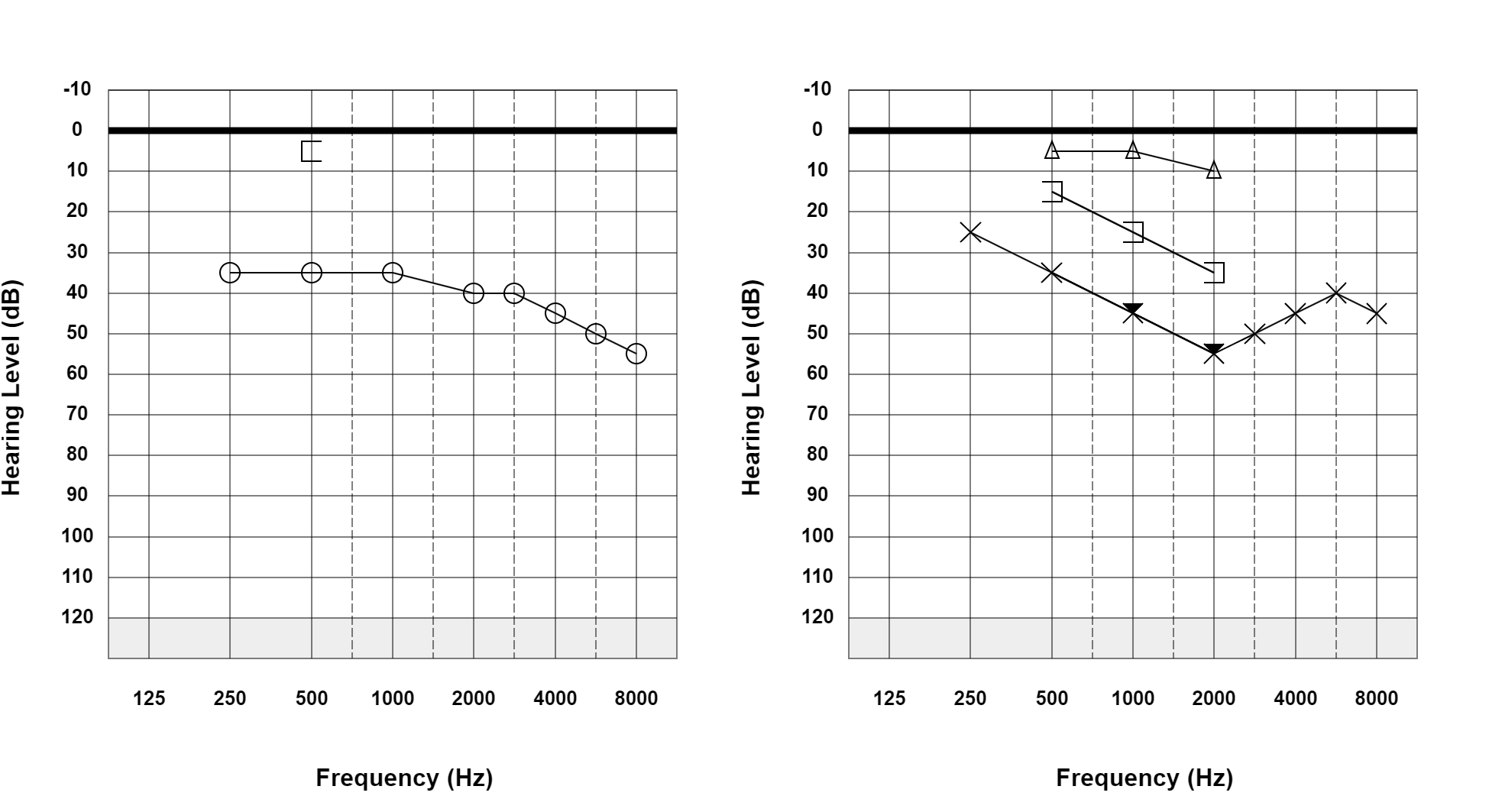
EasyPractice · tools availableCase 04 · Symmetrical cookie-bite SNHL
Case history: The patient is uncertain if they have a better ear, likely both the same
Start with an empty audiogram. Measure AC and BC, then use Tutorial to check your results. Reveal the reference PTA only when you are ready.
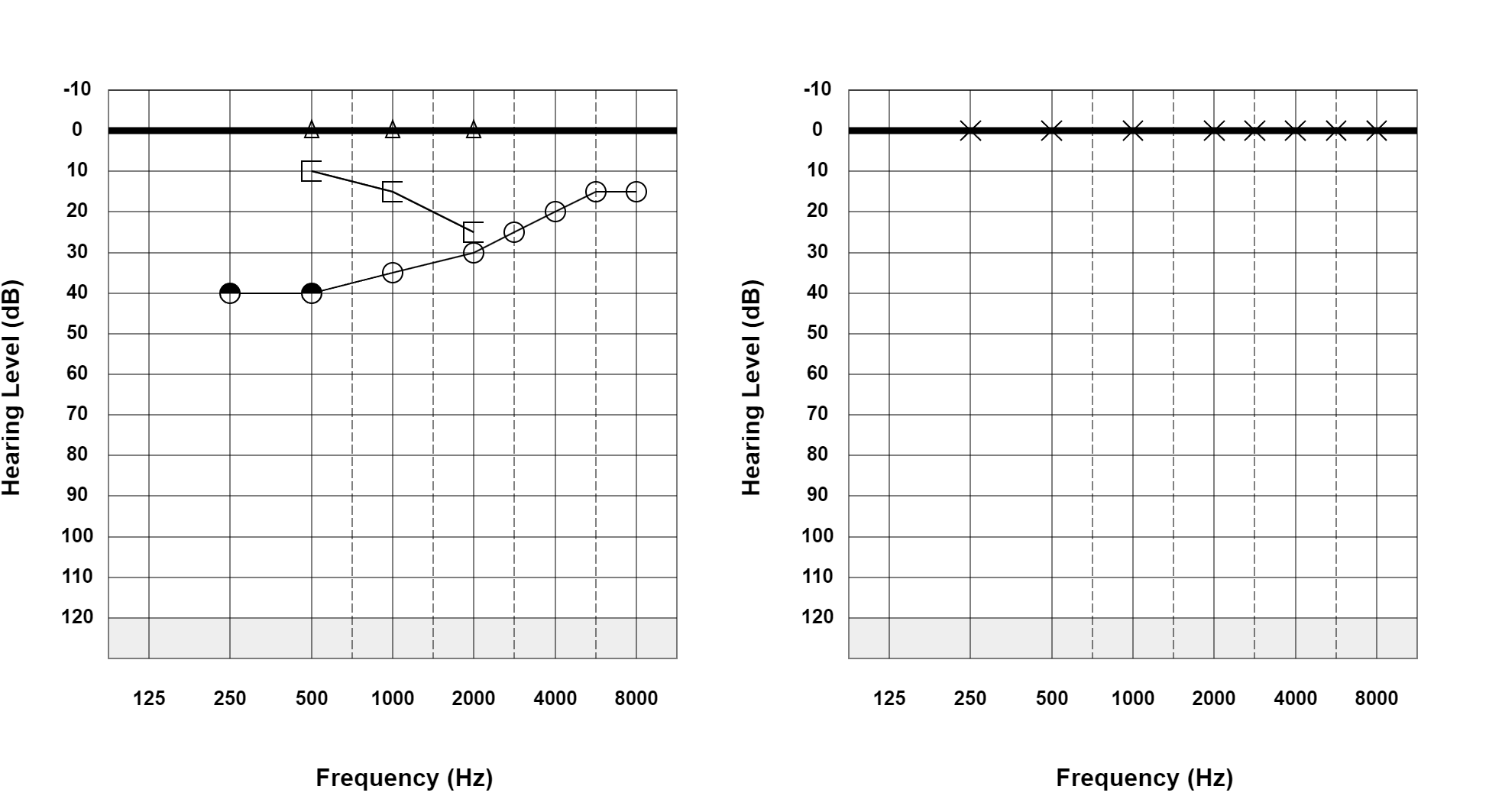
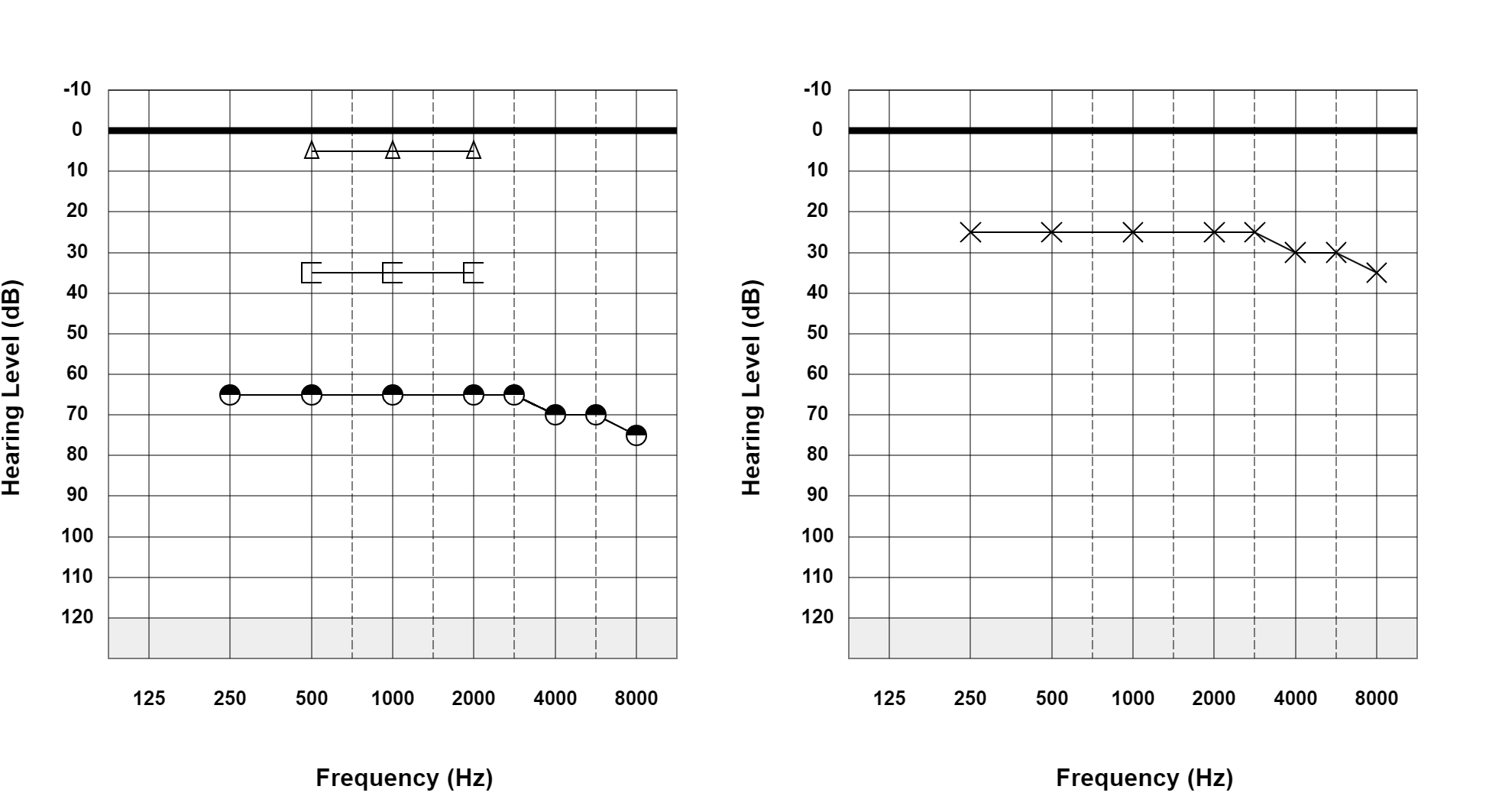
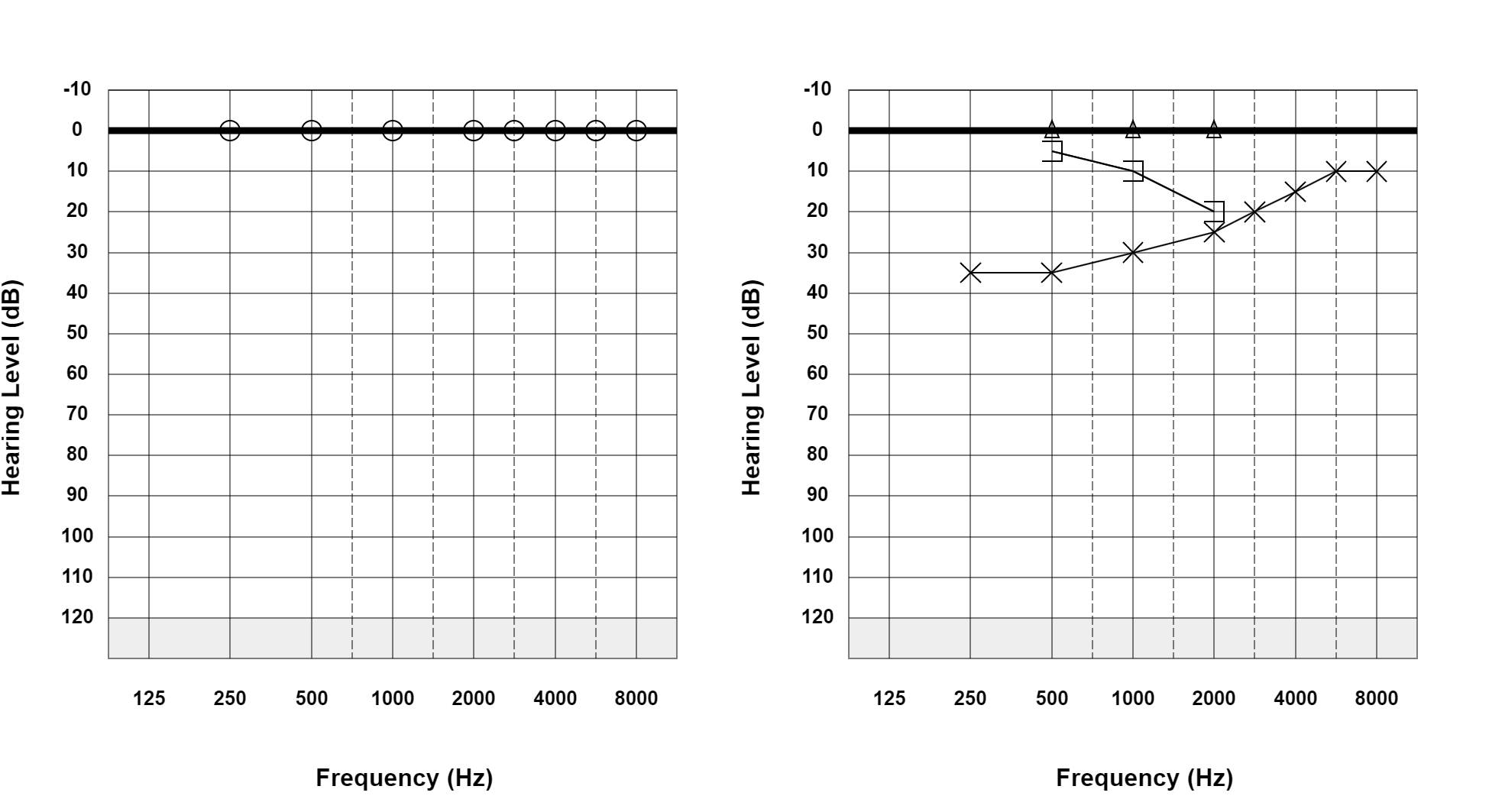
MediumPractice · tools availableCase 05 · Left cochlear asymmetry — high-frequency SNHL
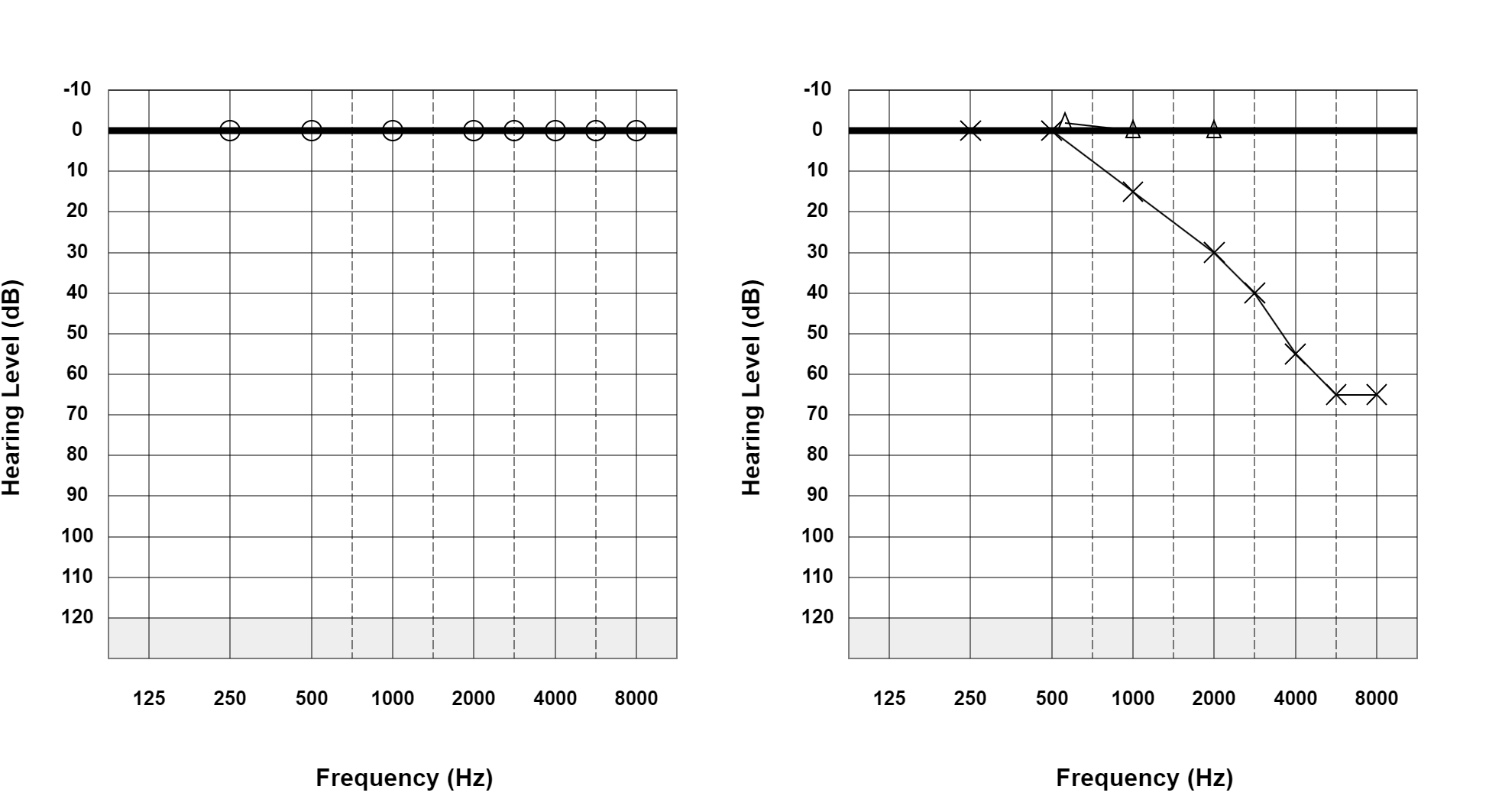
Not-masked AC and initial BC supplied. Identify and measure the remaining masked thresholds.
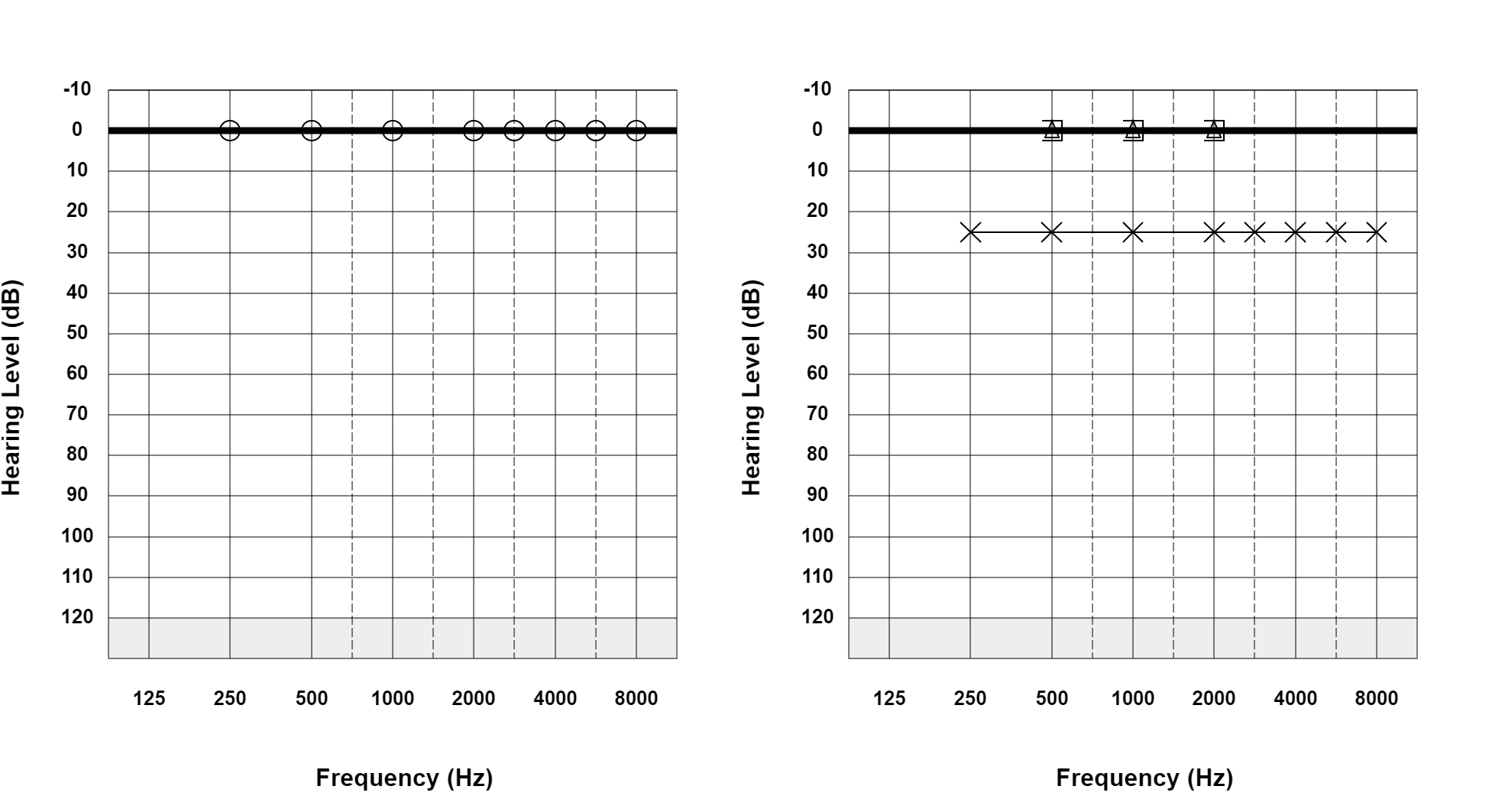
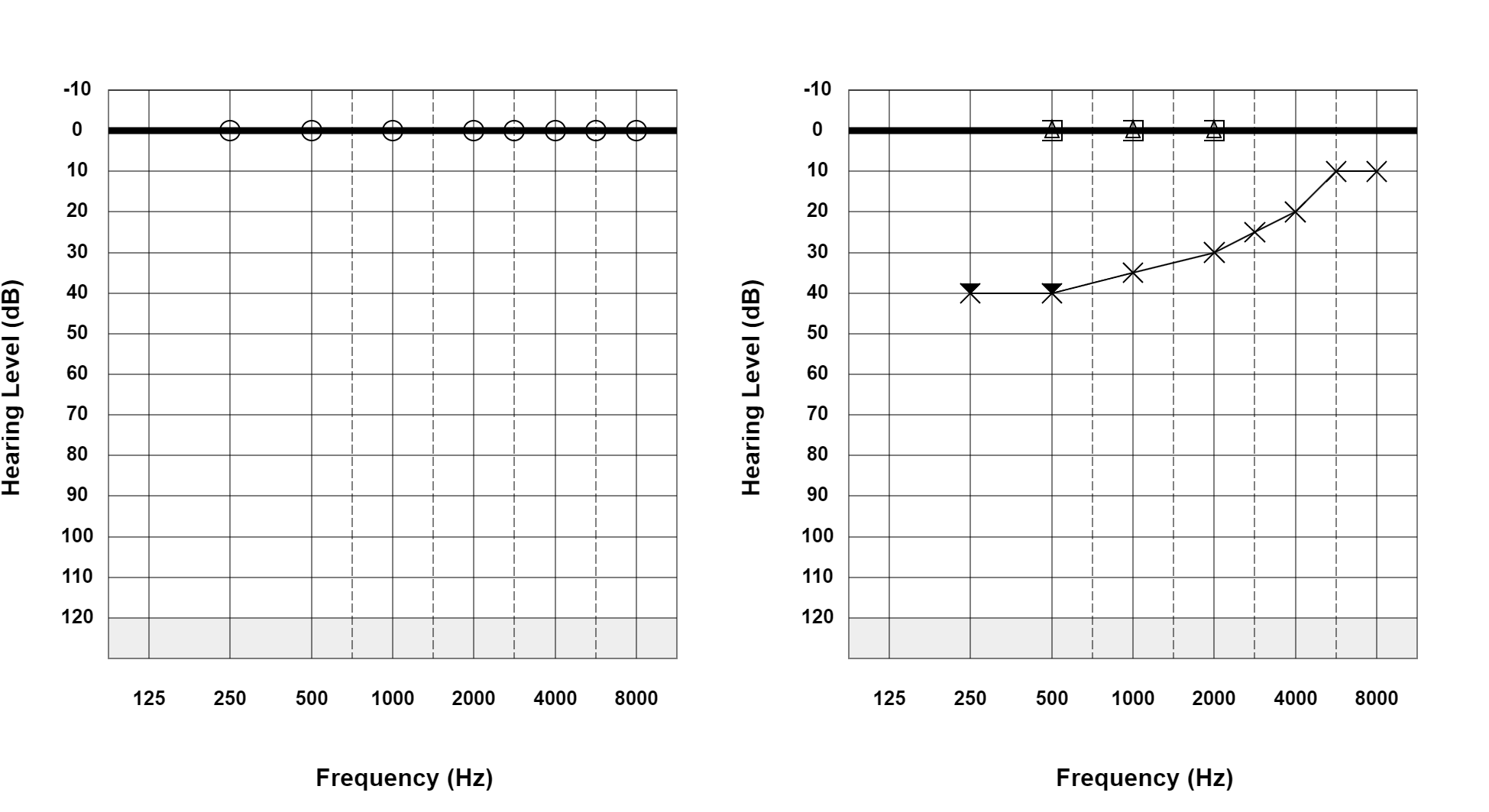
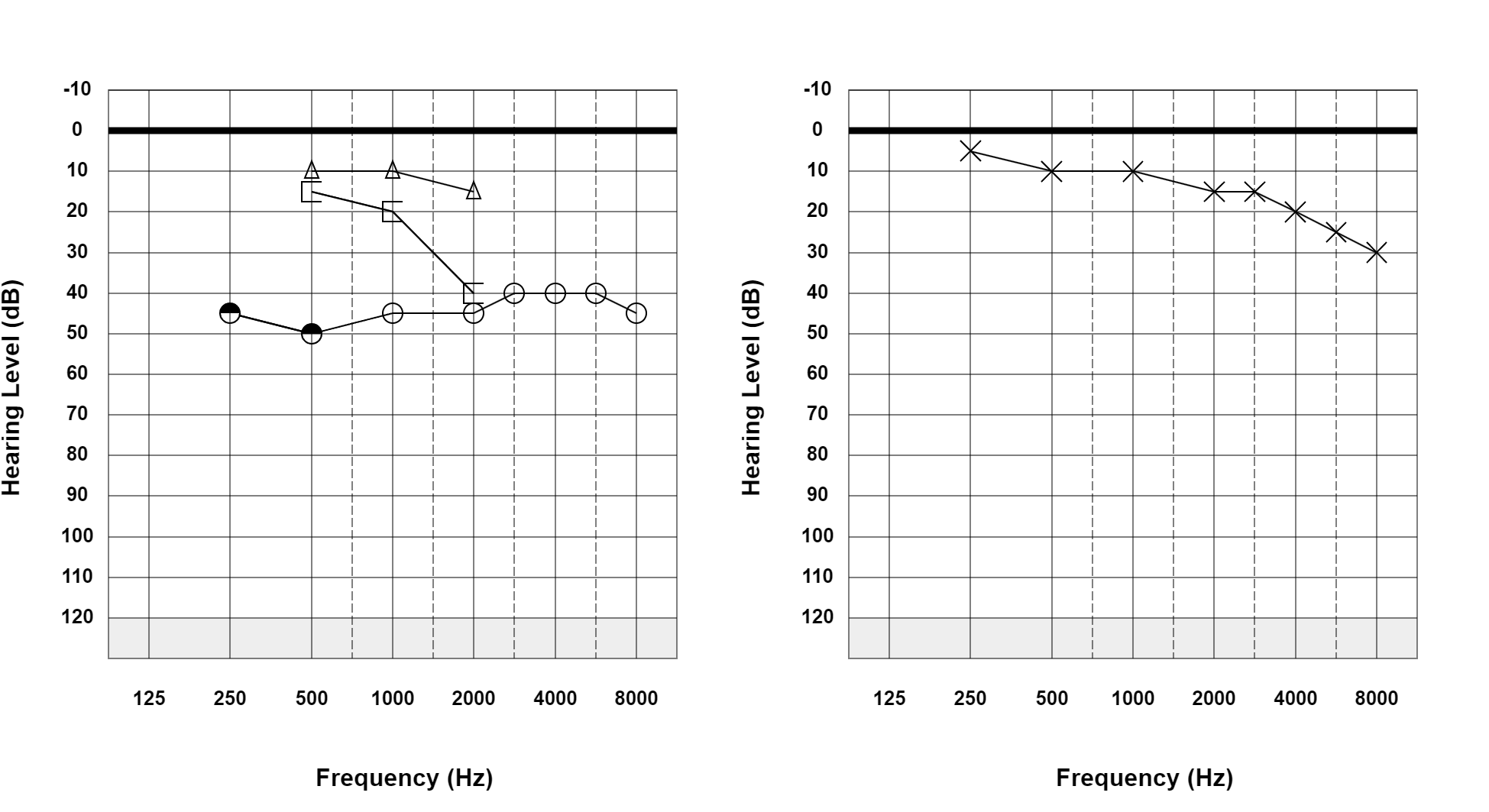
MediumPractice · tools availableCase 06 · Bilateral symmetrical conductive loss
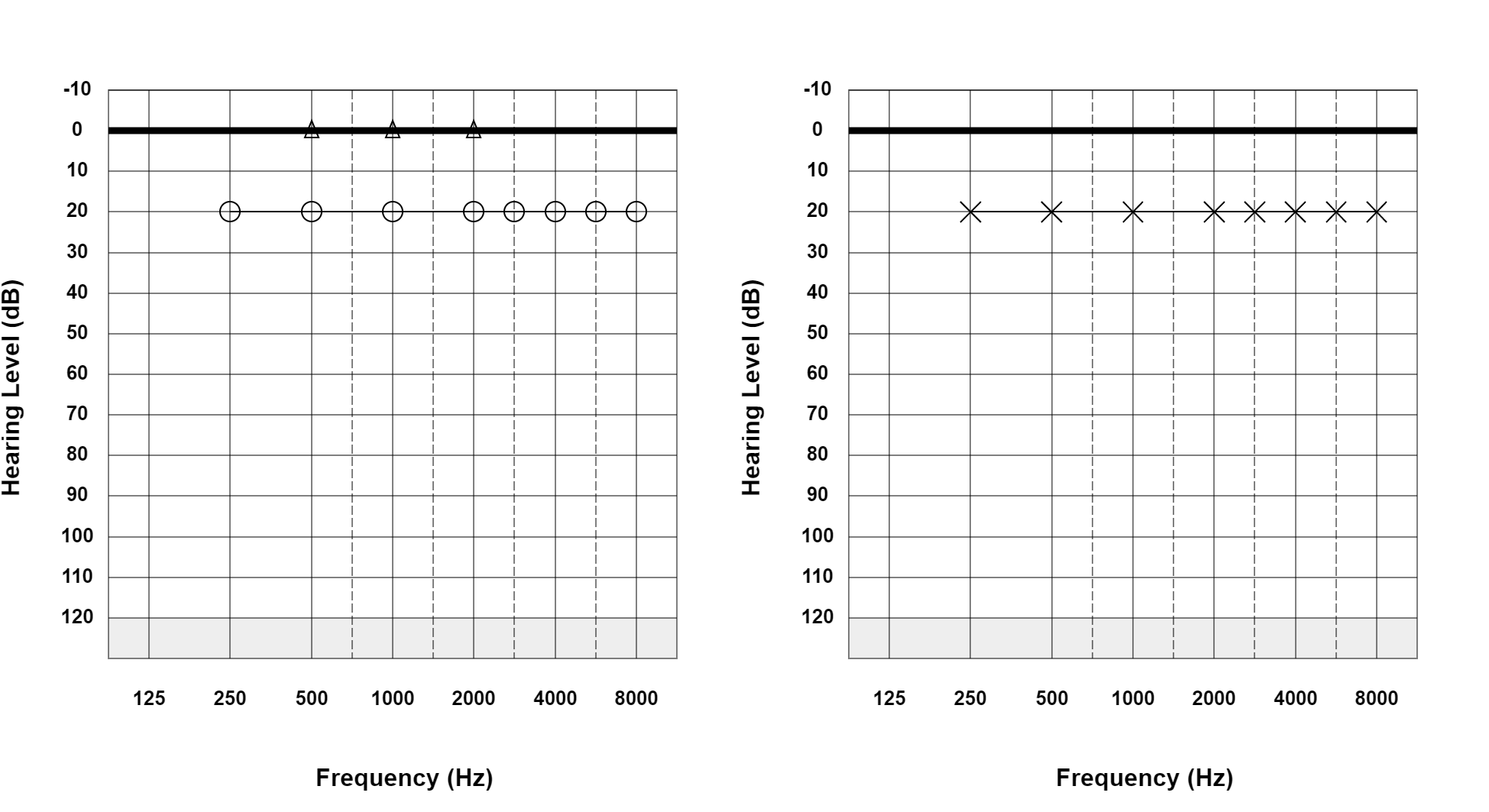
Not-masked AC and initial BC supplied. Identify and measure the remaining masked thresholds.
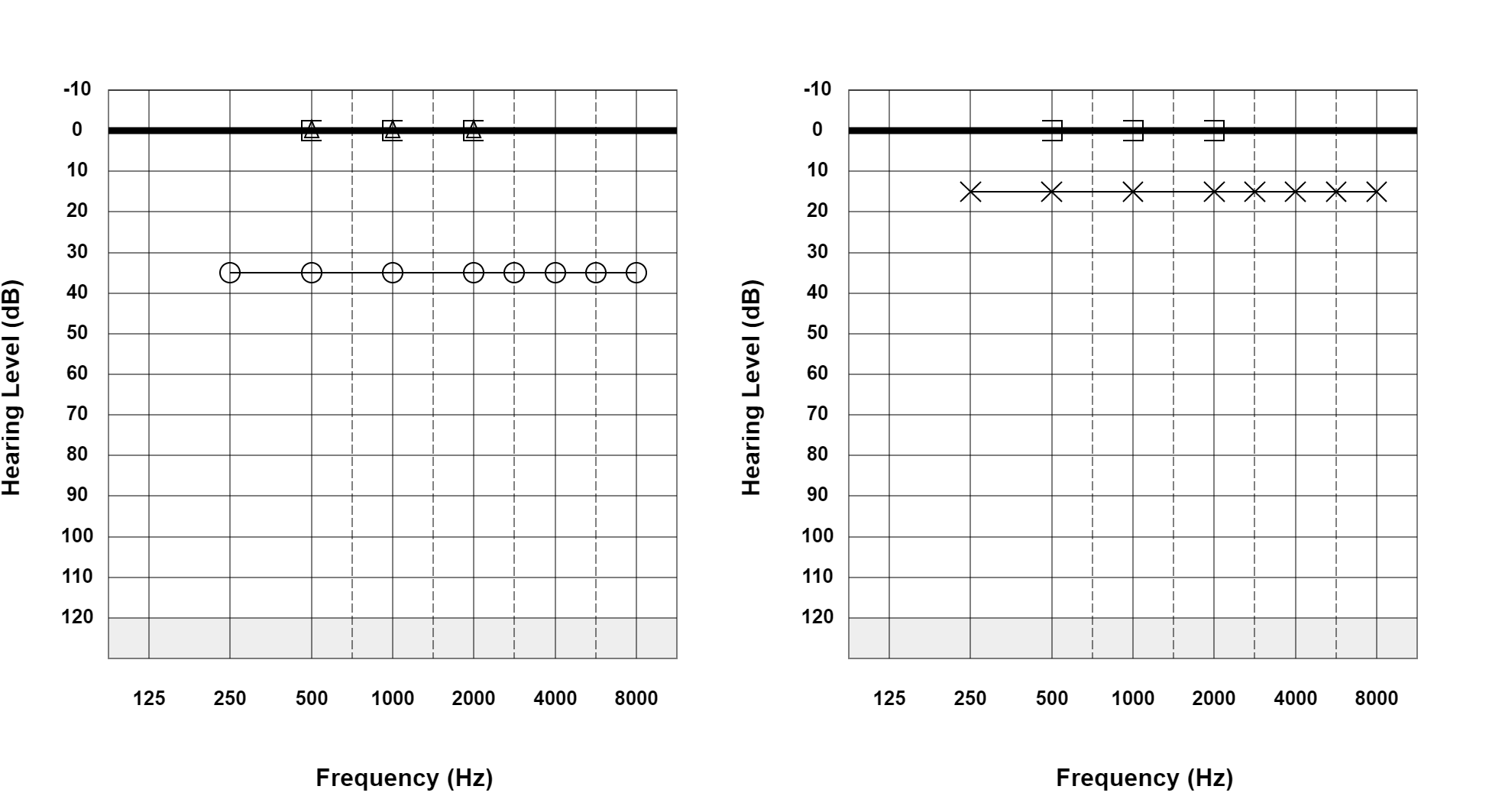
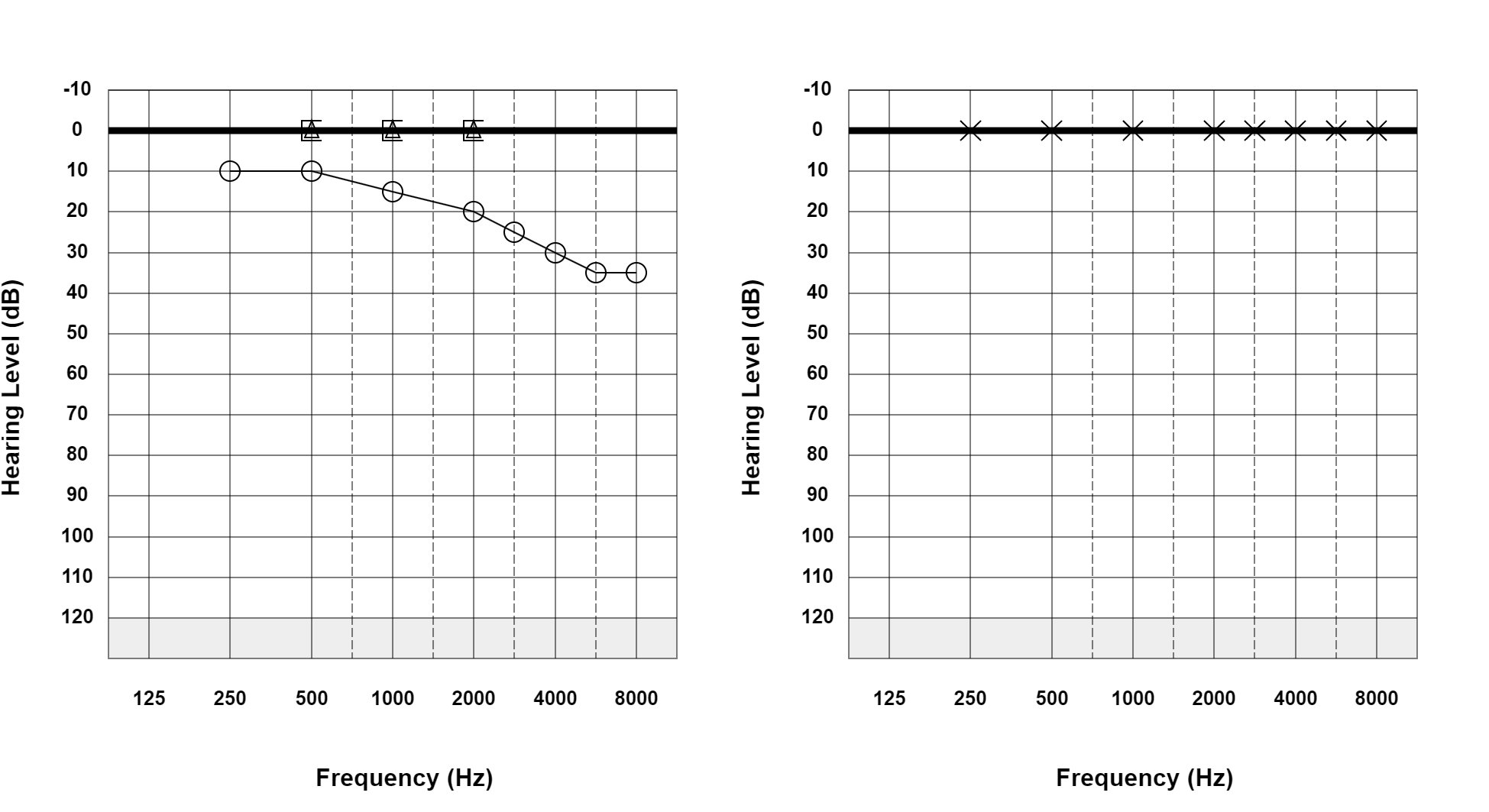
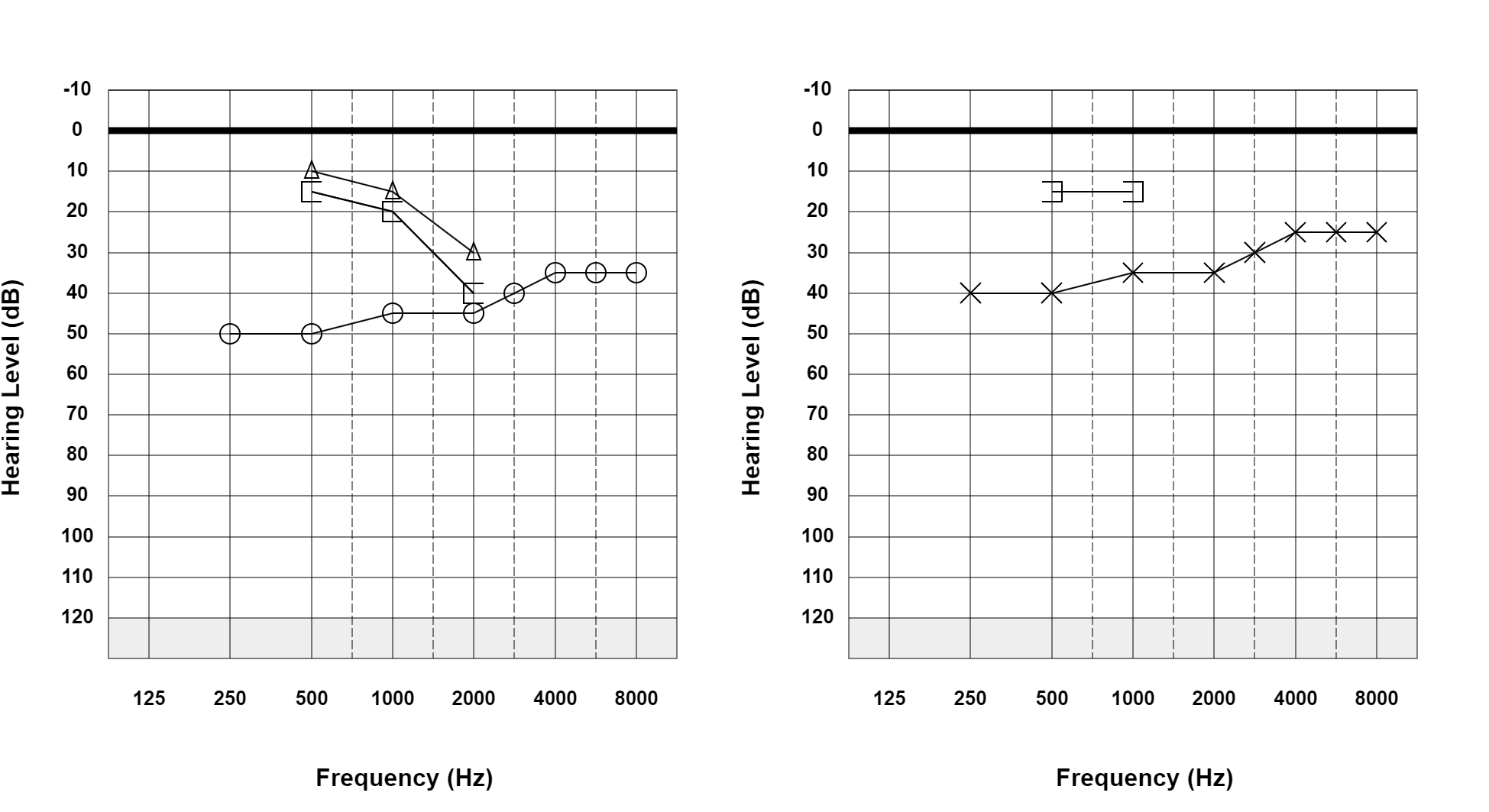
MediumPractice · tools availableCase 07 · Right unilateral conductive loss
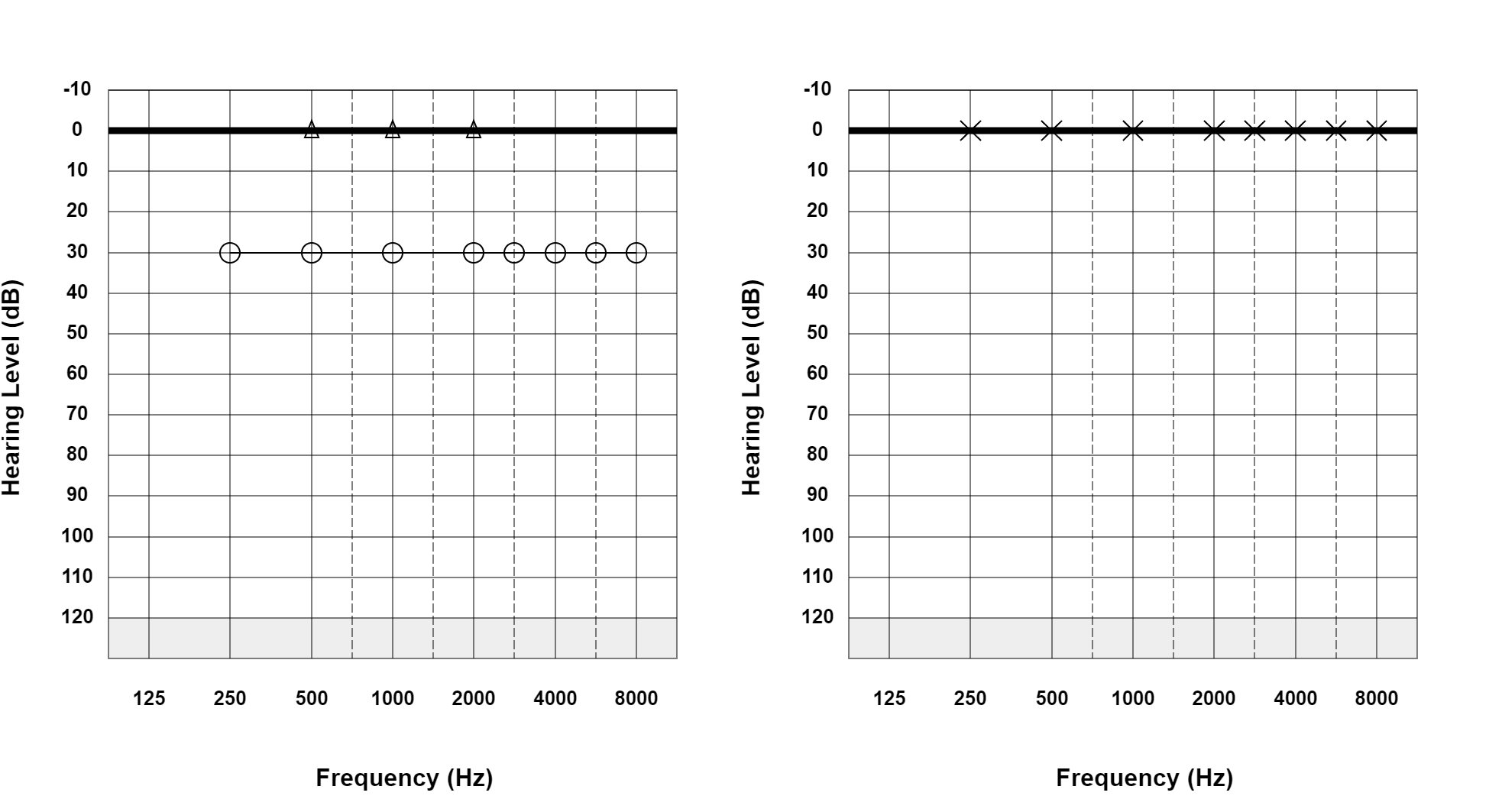
Not-masked AC and initial BC supplied. Identify and measure the remaining masked thresholds.
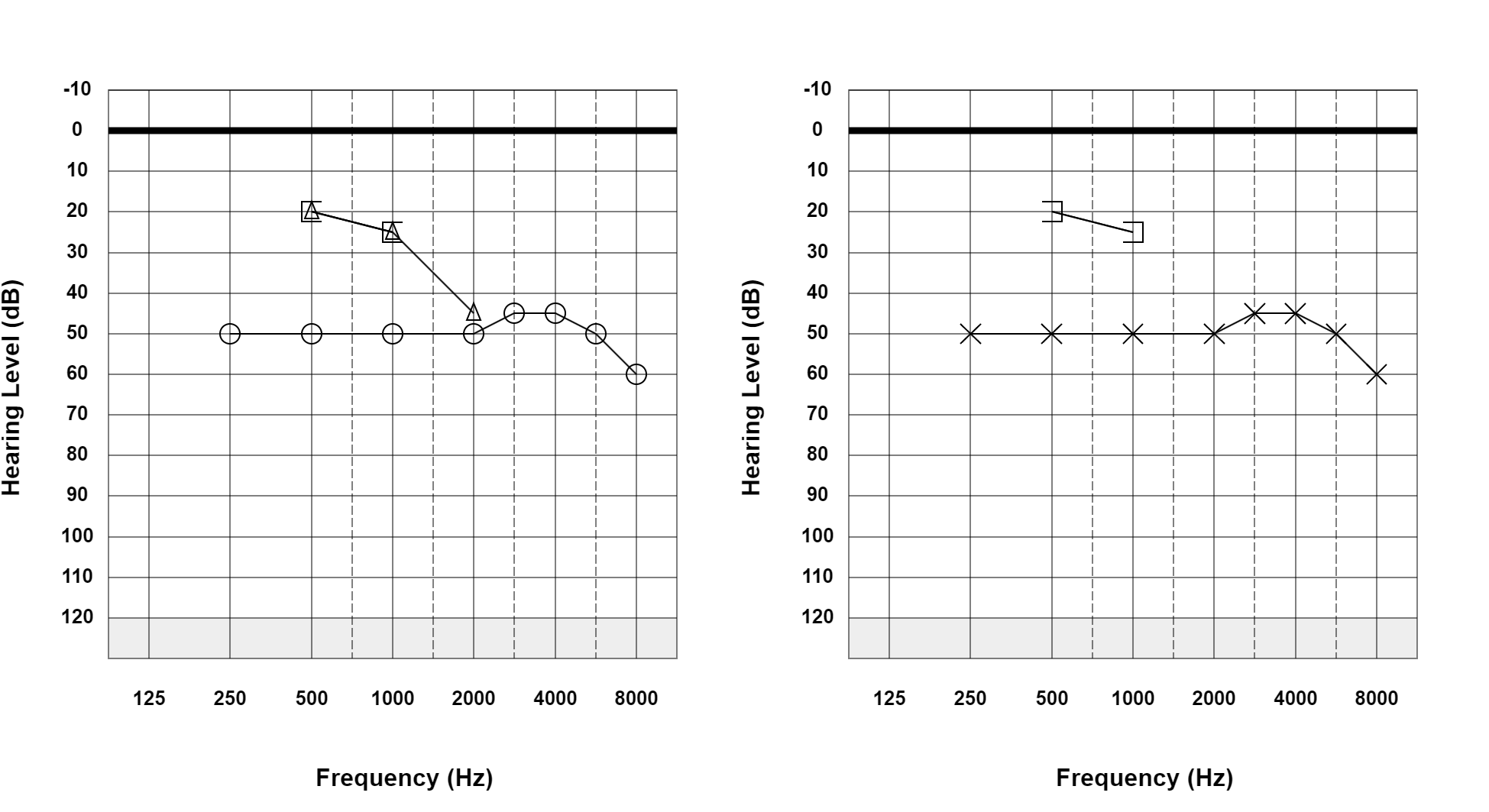
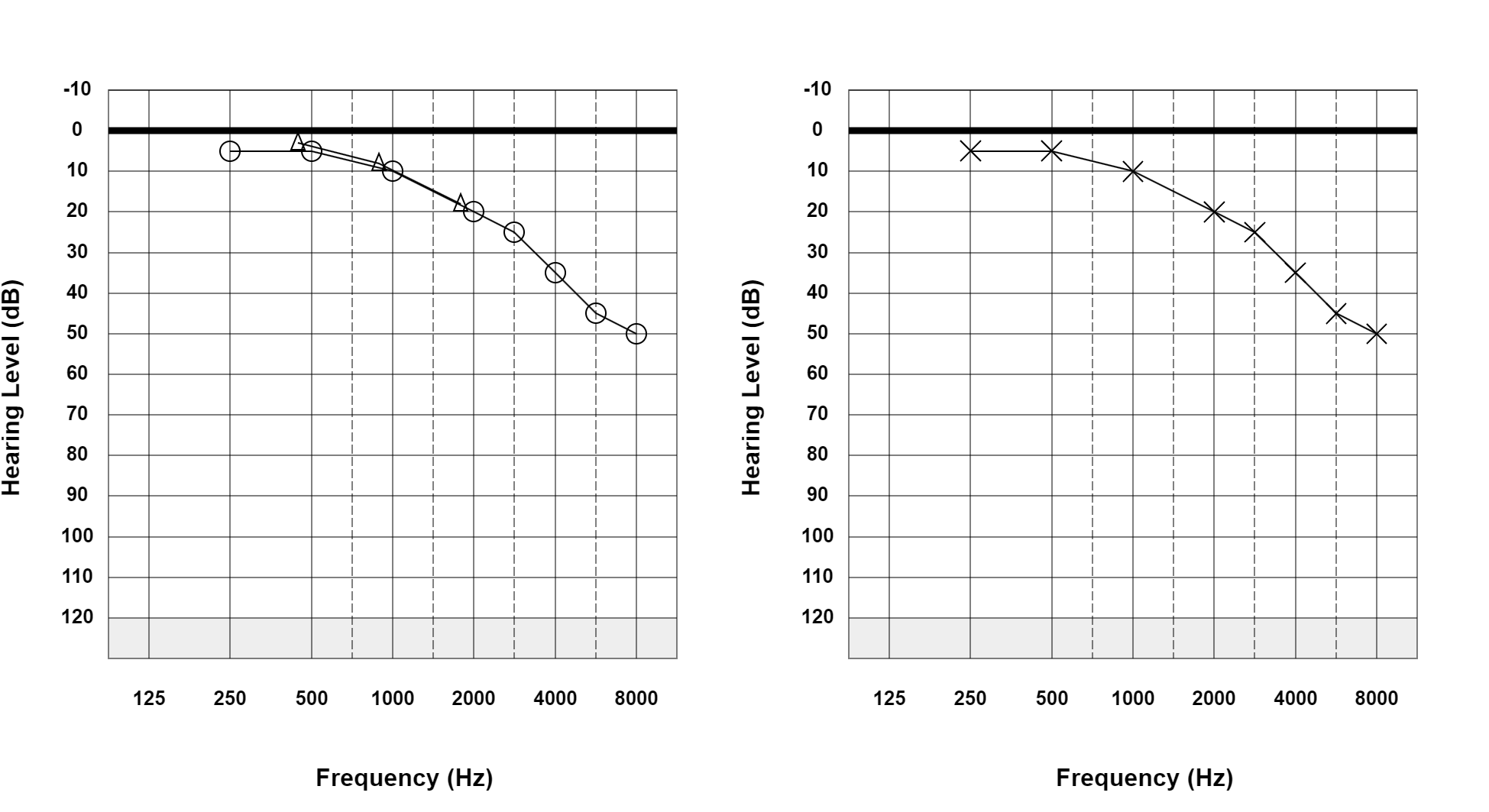
MediumPractice · tools availableCase 08 · Bilateral mixed loss
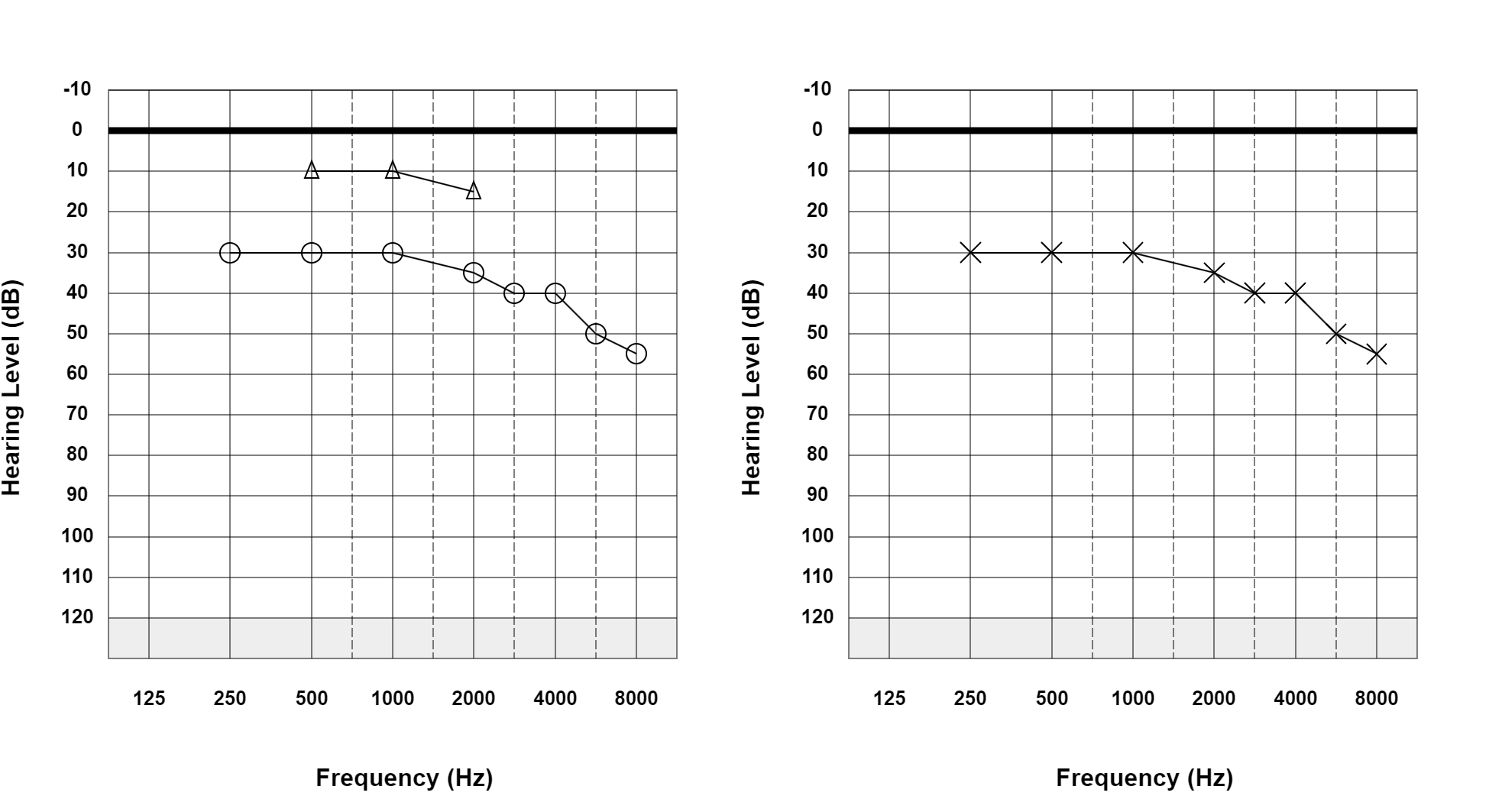
Not-masked AC and initial BC supplied. Identify and measure the remaining masked thresholds.
MediumPractice · tools availableCase 09 · Right otosclerosis-style conductive pattern
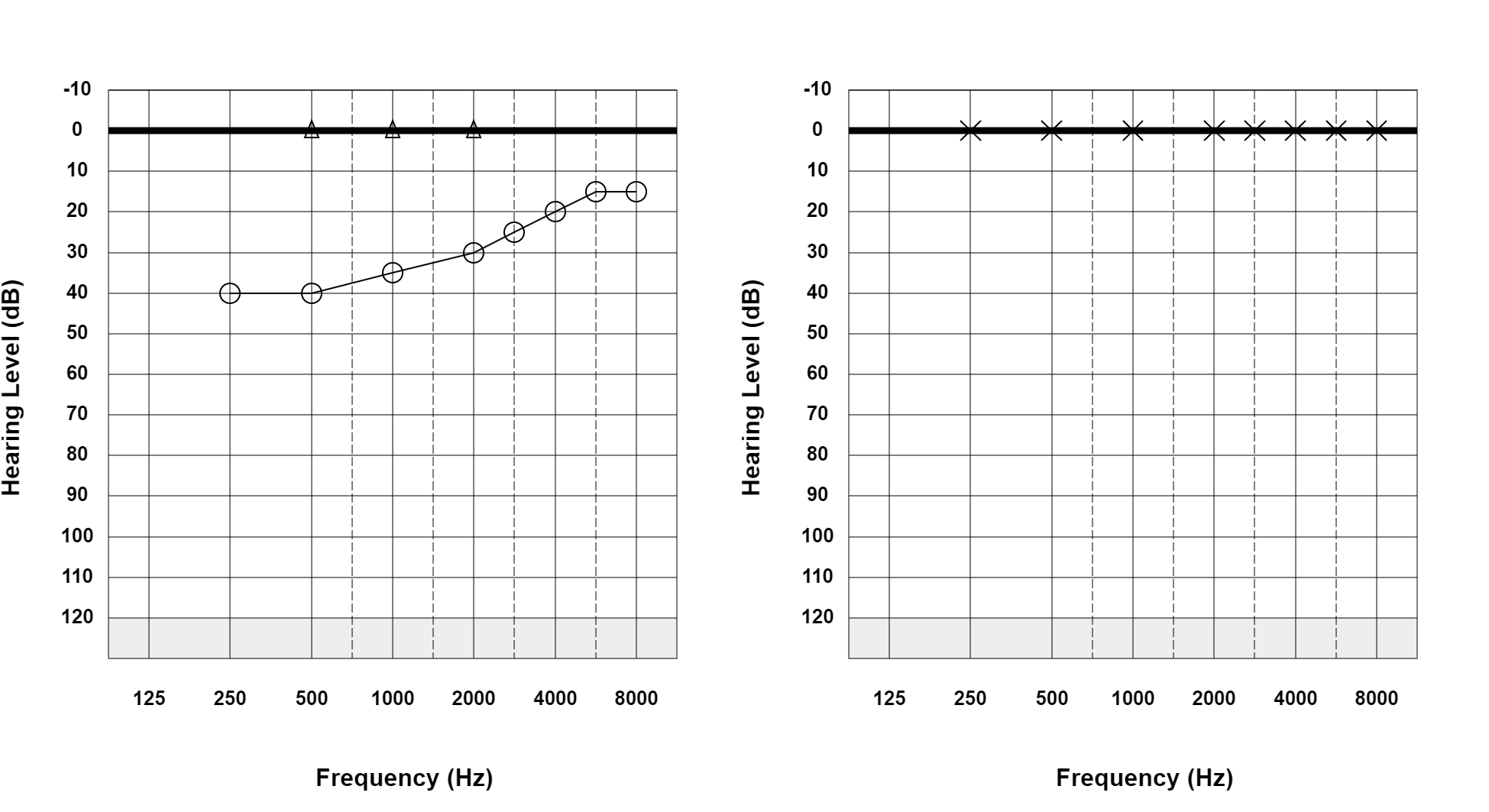
Not-masked AC and initial BC supplied. Identify and measure the remaining masked thresholds.
HardPractice · tools availableCase 10 · Bilateral otosclerosis-style mixed pattern
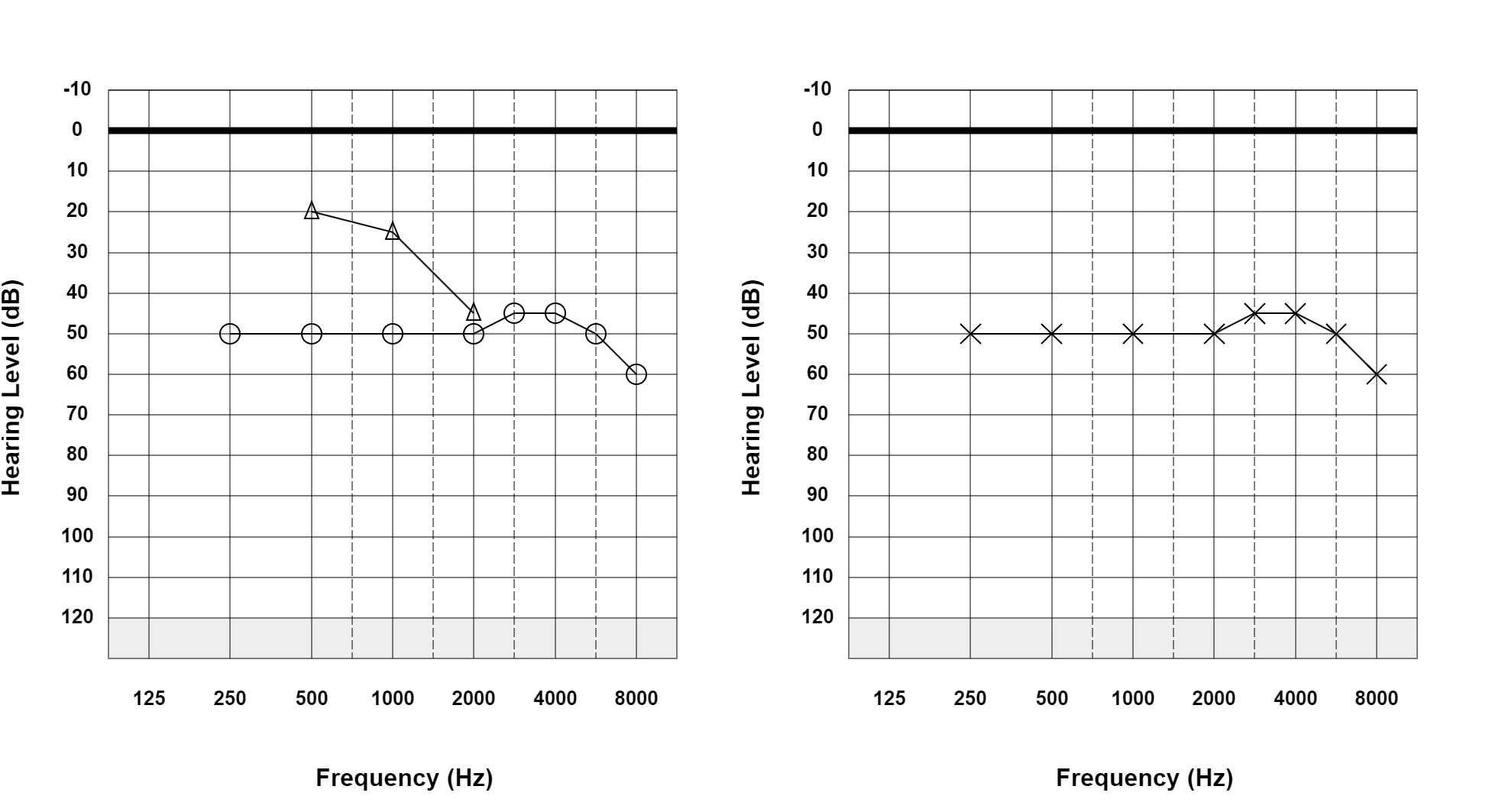
Not-masked AC and initial BC supplied. Identify and measure the remaining masked thresholds.
EasyPractice · tools availableCase 11
Case history: The patient is uncertain if they have a better ear, likely both the same
Start with an empty audiogram. Measure AC and BC, then use Tutorial to check your results. Reveal the reference PTA only when you are ready.
EasyPractice · tools availableCase 12
Case history: The patient is uncertain if they have a better ear, likely both the same
Start with an empty audiogram. Measure AC and BC, then use Tutorial to check your results. Reveal the reference PTA only when you are ready.
EasyPractice · tools availableCase 13
Case history: The patient is uncertain if they have a better ear, likely both the same
Start with an empty audiogram. Measure AC and BC, then use Tutorial to check your results. Reveal the reference PTA only when you are ready.
EasyPractice · tools availableCase 14
Case history: The patient is uncertain if they have a better ear, likely both the same
Start with an empty audiogram. Measure AC and BC, then use Tutorial to check your results. Reveal the reference PTA only when you are ready.
EasyPractice · tools availableCase 15
Case history: The patient is uncertain if they have a better ear, likely both the same
Start with an empty audiogram. Measure AC and BC, then use Tutorial to check your results. Reveal the reference PTA only when you are ready.
EasyPractice · tools availableCase 16
Case history: The patient is uncertain if they have a better ear, likely both the same
Start with an empty audiogram. Measure AC and BC, then use Tutorial to check your results. Reveal the reference PTA only when you are ready.
EasyPractice · tools availableCase 17
Case history: The patient is uncertain if they have a better ear, likely both the same
Start with an empty audiogram. Measure AC and BC, then use Tutorial to check your results. Reveal the reference PTA only when you are ready.
EasyPractice · tools availableCase 18
Case history: The patient is uncertain if they have a better ear, likely both the same
Start with an empty audiogram. Measure AC and BC, then use Tutorial to check your results. Reveal the reference PTA only when you are ready.
EasyPractice · tools availableCase 19
Case history: The patient is uncertain if they have a better ear, likely both the same
Start with an empty audiogram. Measure AC and BC, then use Tutorial to check your results. Reveal the reference PTA only when you are ready.
EasyPractice · tools availableCase 20
Case history: The patient is uncertain if they have a better ear, likely both the same
Start with an empty audiogram. Measure AC and BC, then use Tutorial to check your results. Reveal the reference PTA only when you are ready.
HardPractice · tools availableCase 21
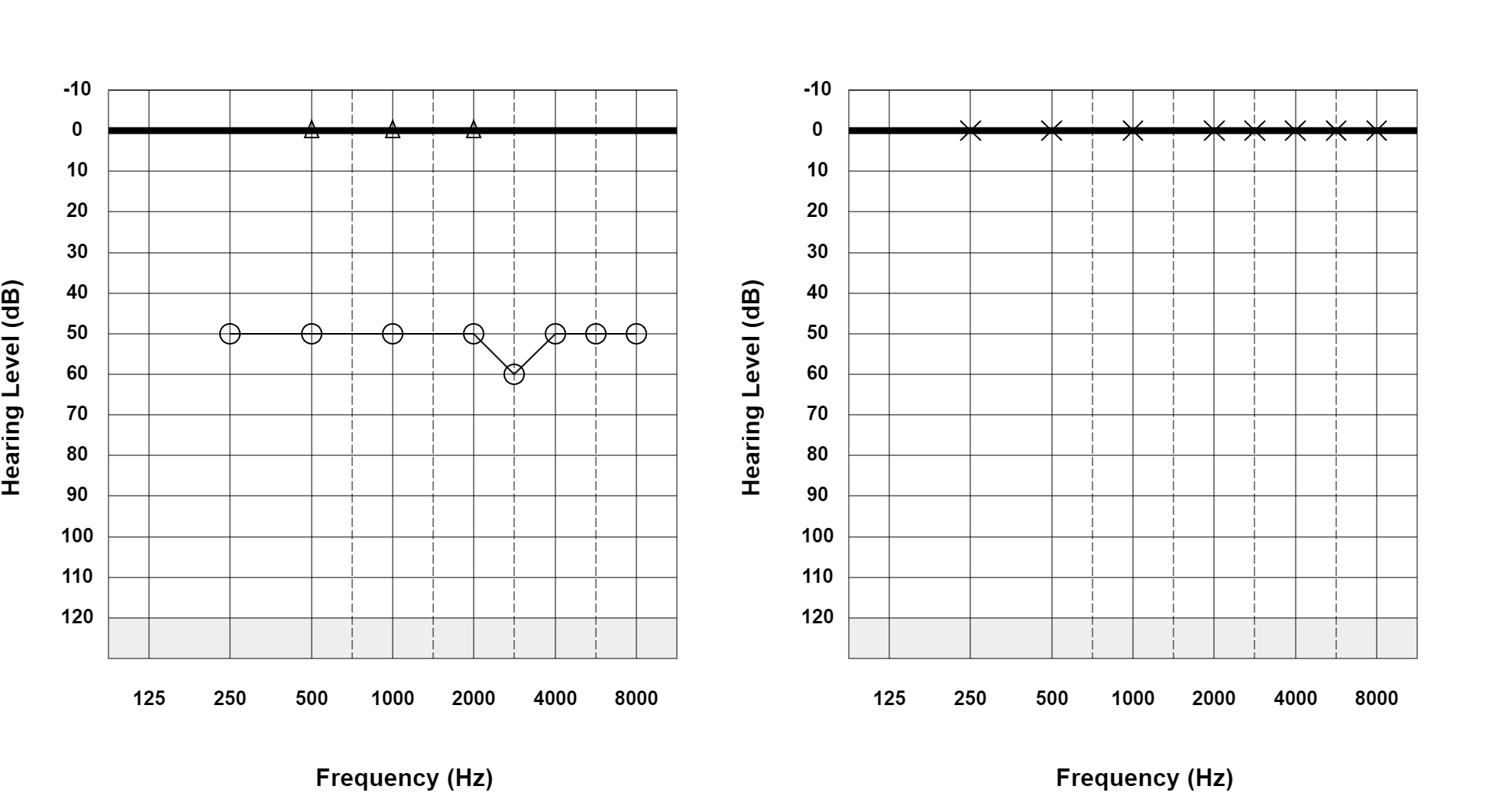
Not-masked AC and initial BC supplied. Identify and measure the remaining masked thresholds.
MediumPractice · tools availableCase 22
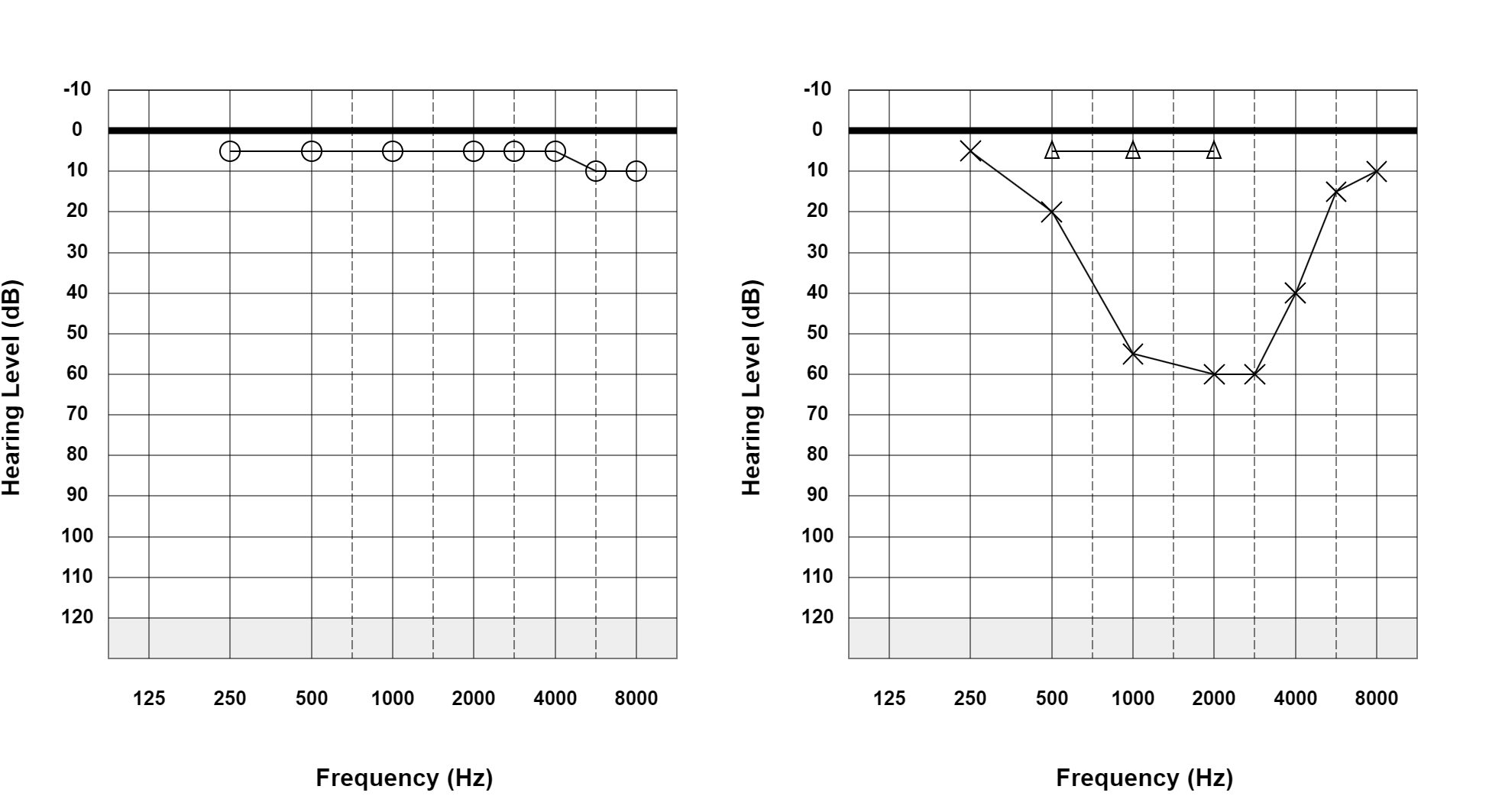
Not-masked AC and initial BC supplied. Identify and measure the remaining masked thresholds.
HardPractice · tools availableCase 23
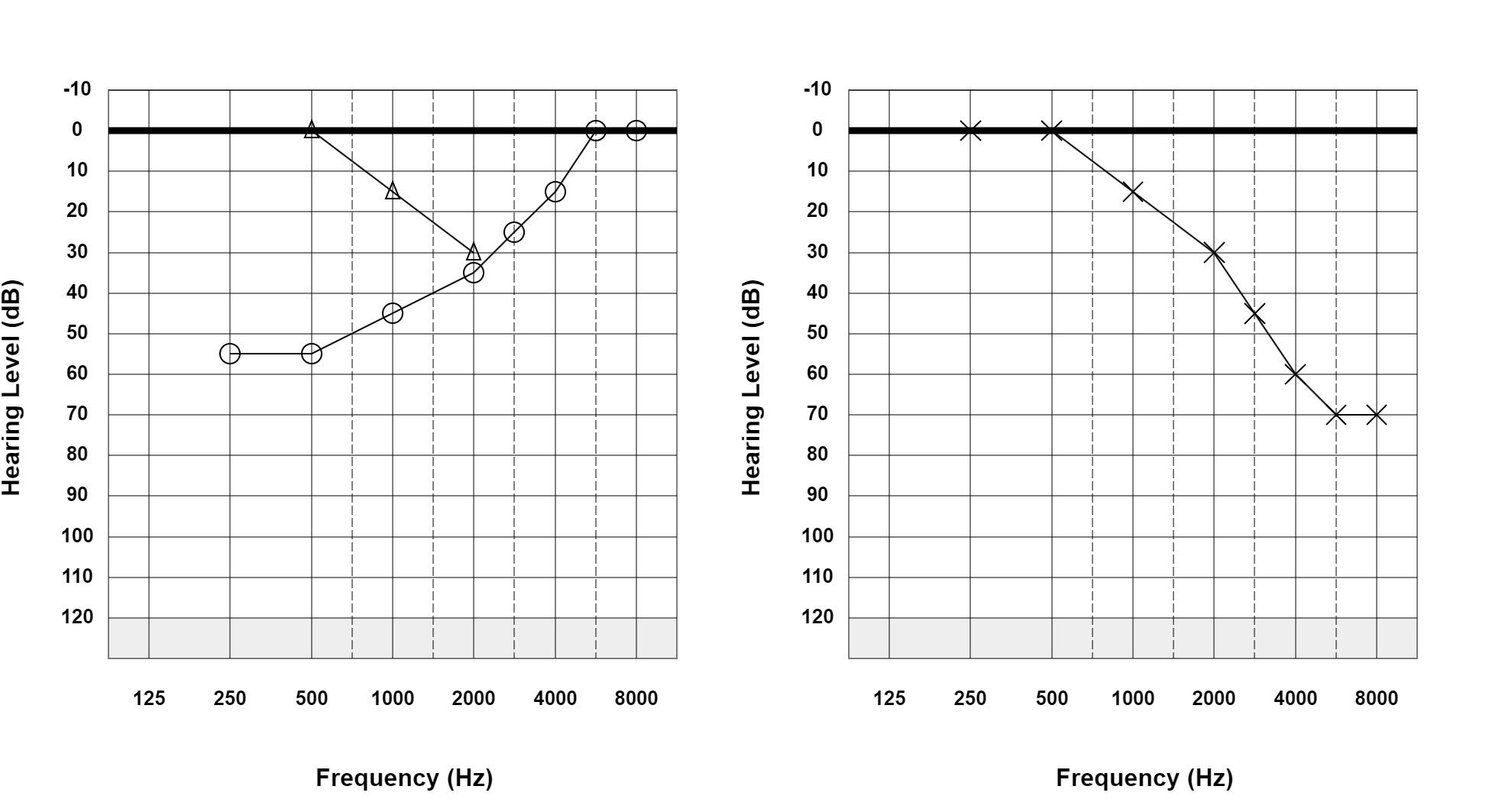
Not-masked AC and initial BC supplied. Identify and measure the remaining masked thresholds.
MediumPractice · tools availableCase 24
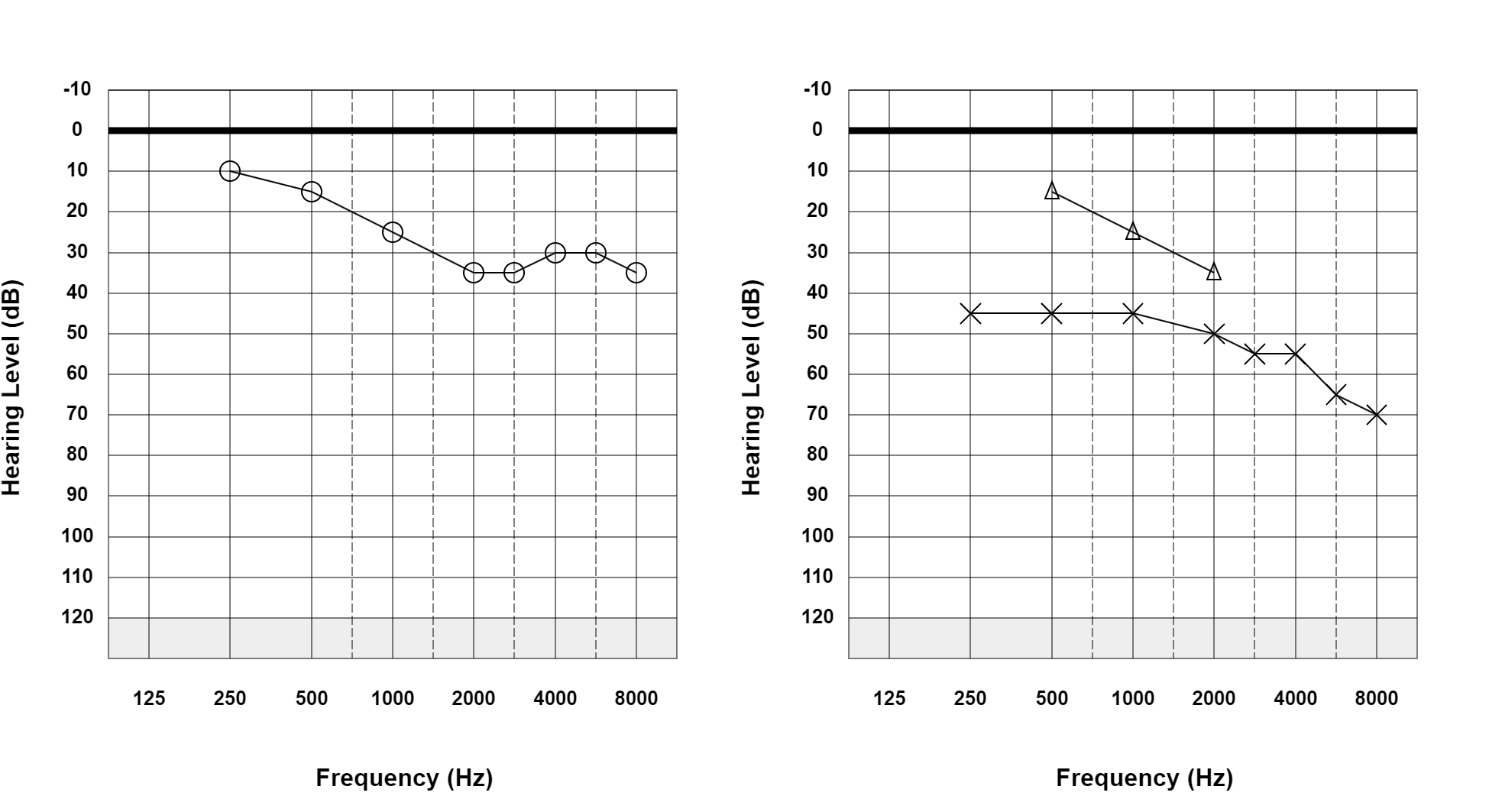
Not-masked AC and initial BC supplied. Identify and measure the remaining masked thresholds.
EasyPractice · tools availableCase 25
Case history: The patient is uncertain if they have a better ear, likely both the same
Start with an empty audiogram. Measure AC and BC, then use Tutorial to check your results. Reveal the reference PTA only when you are ready.
MediumPractice · tools availableCase 26
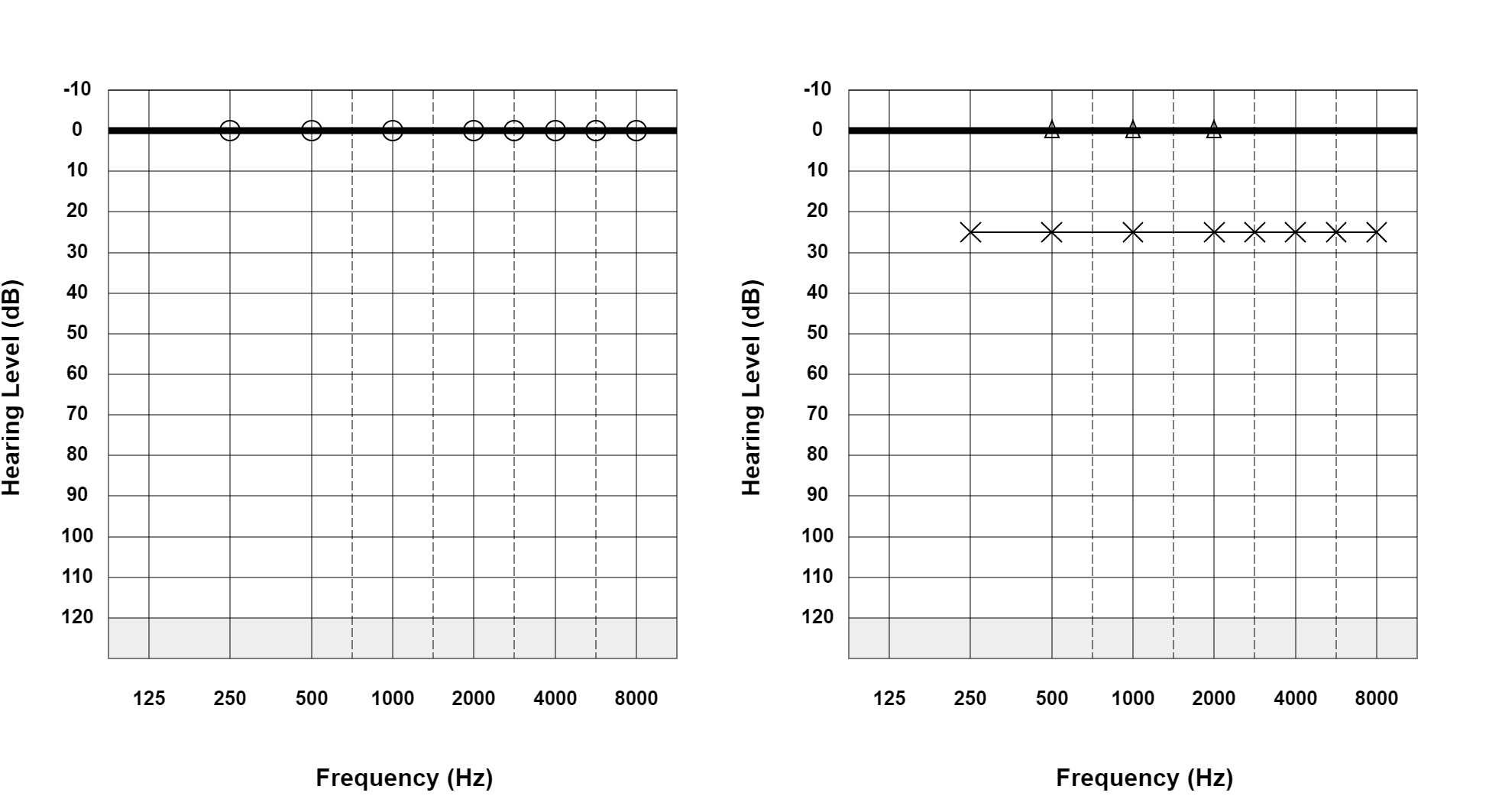
Not-masked AC and initial BC supplied. Identify and measure the remaining masked thresholds.
MediumPractice · tools availableCase 27
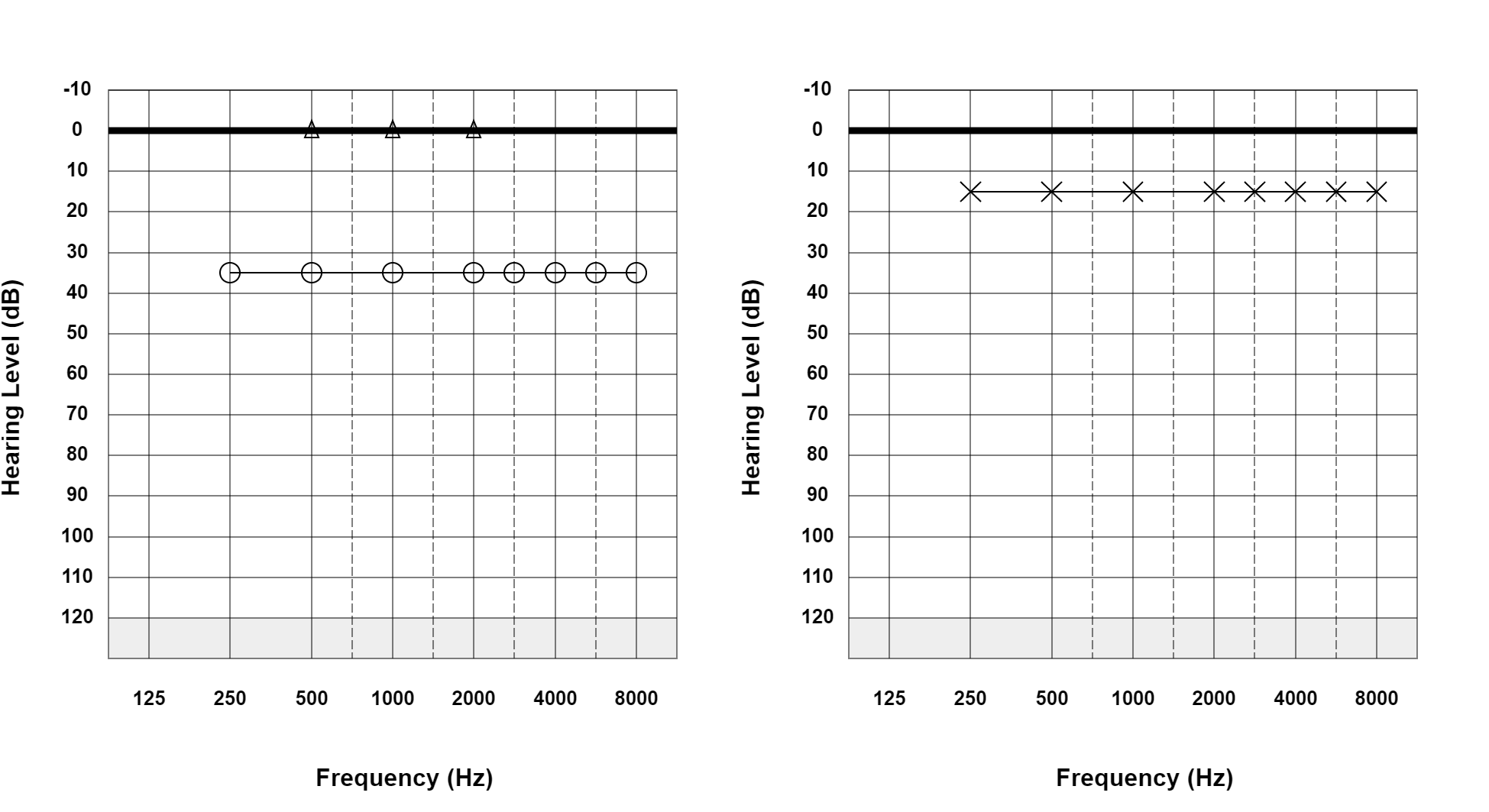
Not-masked AC and initial BC supplied. Identify and measure the remaining masked thresholds.
MediumPractice · tools availableCase 28
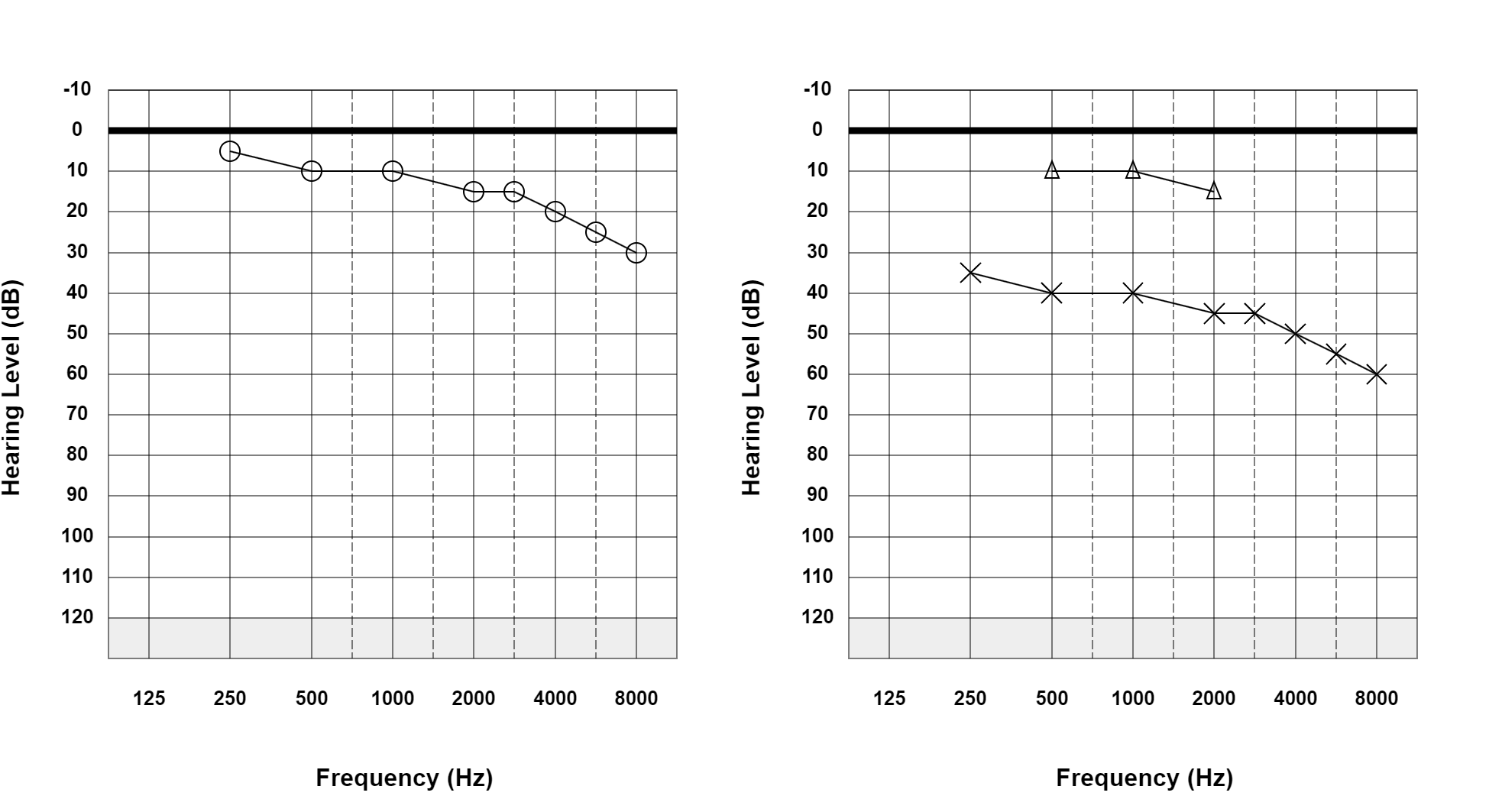
Not-masked AC and initial BC supplied. Identify and measure the remaining masked thresholds.
MediumPractice · tools availableCase 29
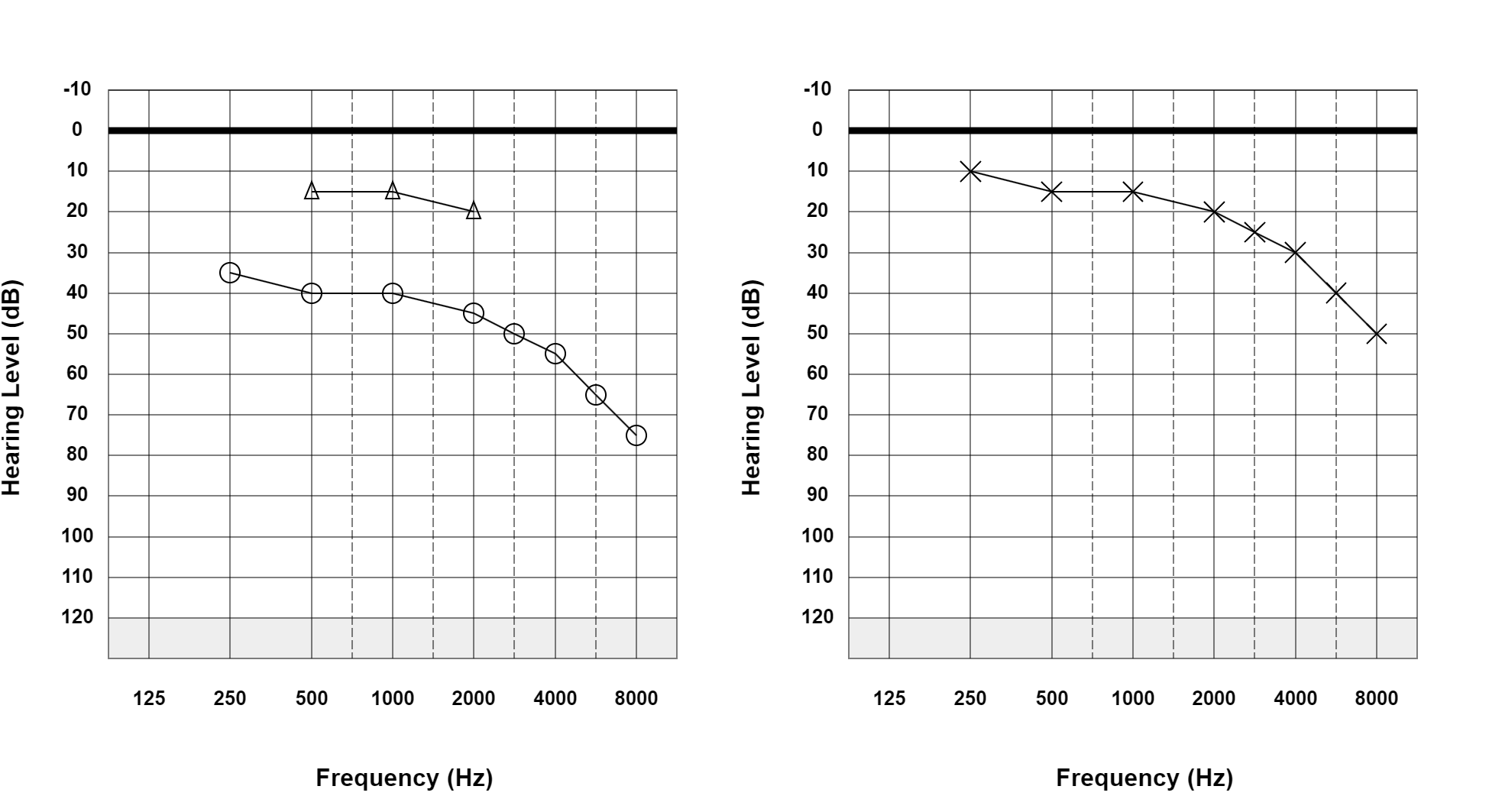
Not-masked AC and initial BC supplied. Identify and measure the remaining masked thresholds.
HardPractice · tools availableCase 30
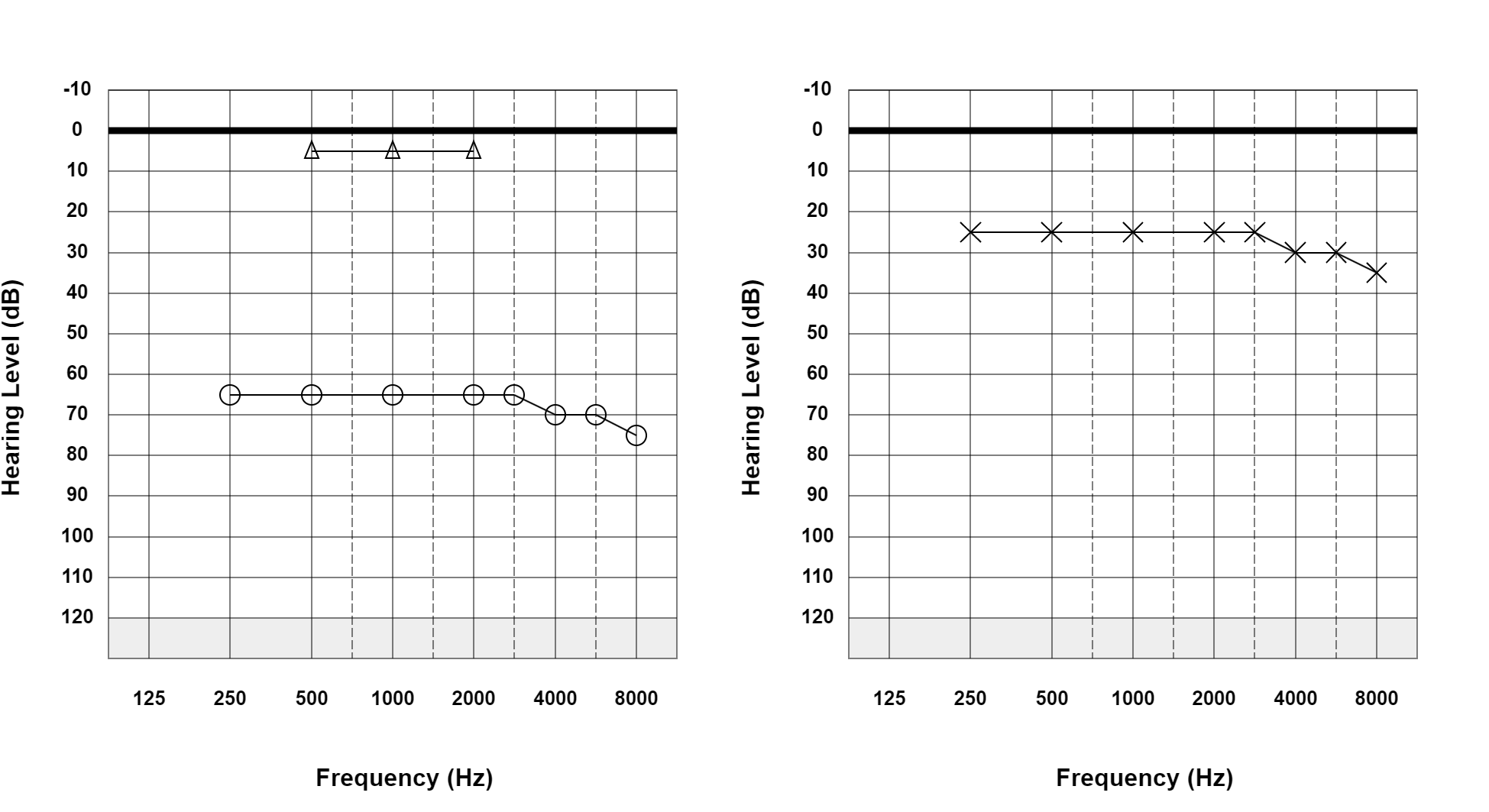
Not-masked AC and initial BC supplied. Identify and measure the remaining masked thresholds.
MediumPractice · tools availableCase 31
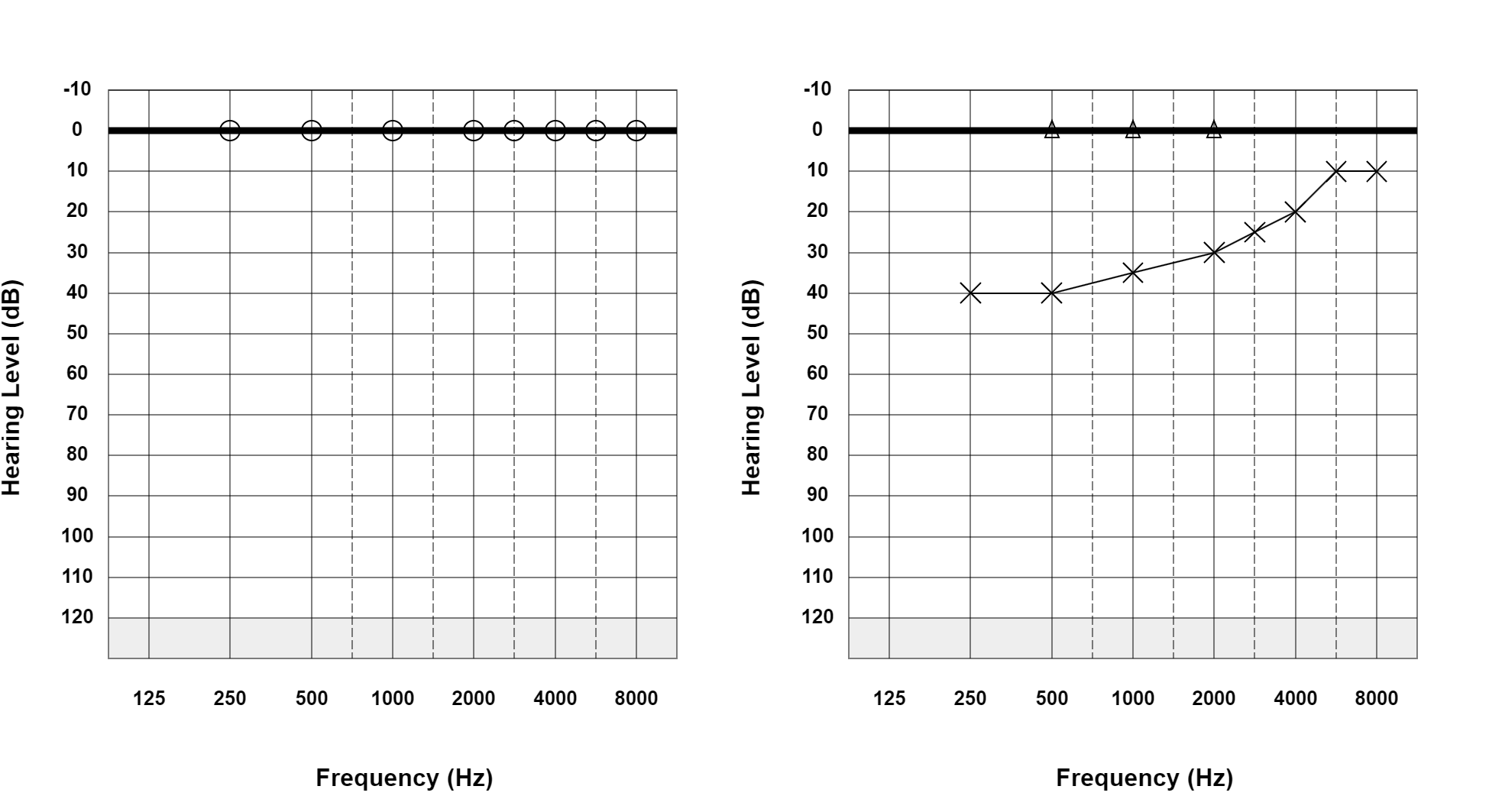
Not-masked AC and initial BC supplied. Identify and measure the remaining masked thresholds.
MediumPractice · tools availableCase 32
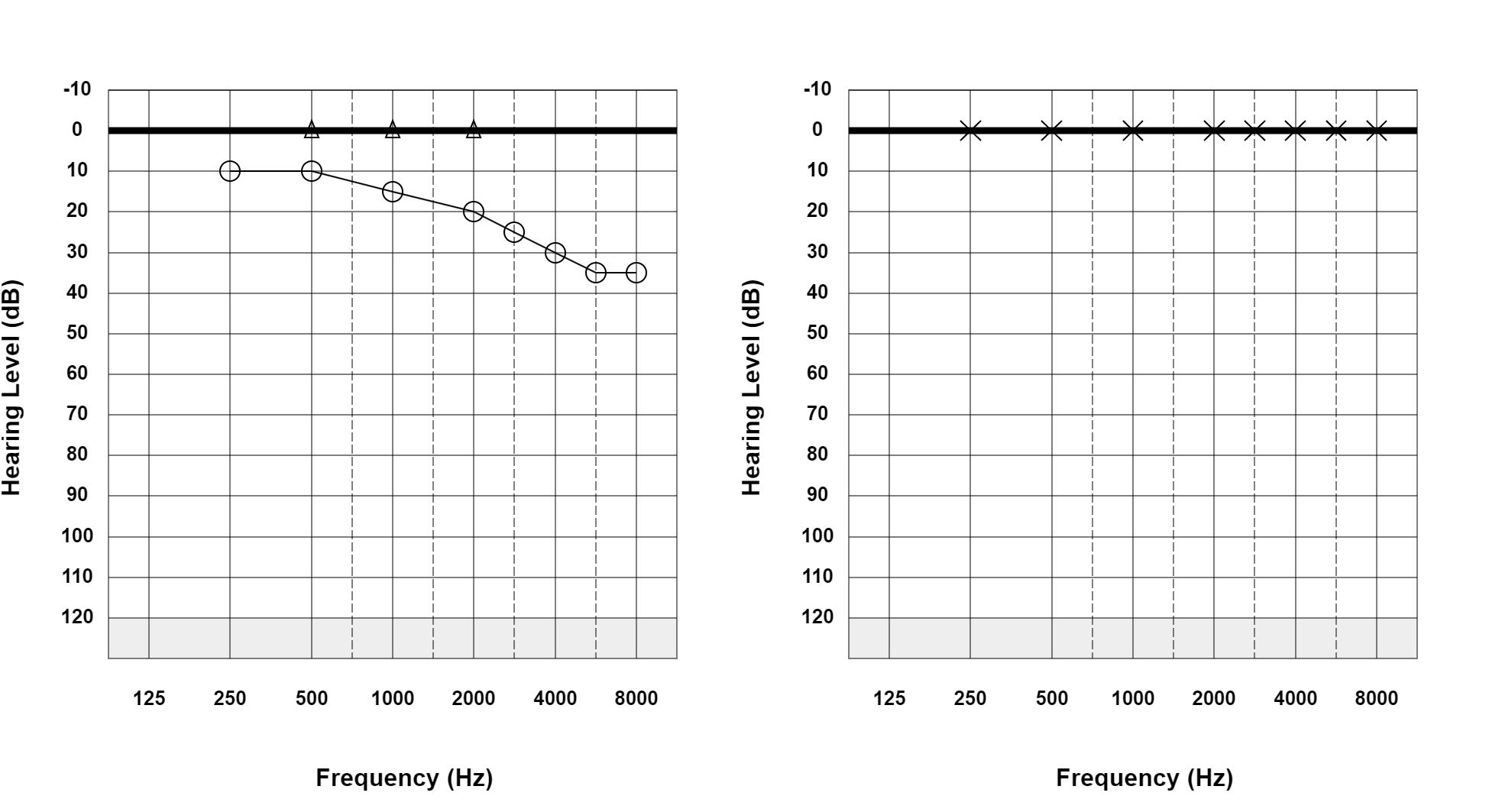
Not-masked AC and initial BC supplied. Identify and measure the remaining masked thresholds.
MediumPractice · tools availableCase 33
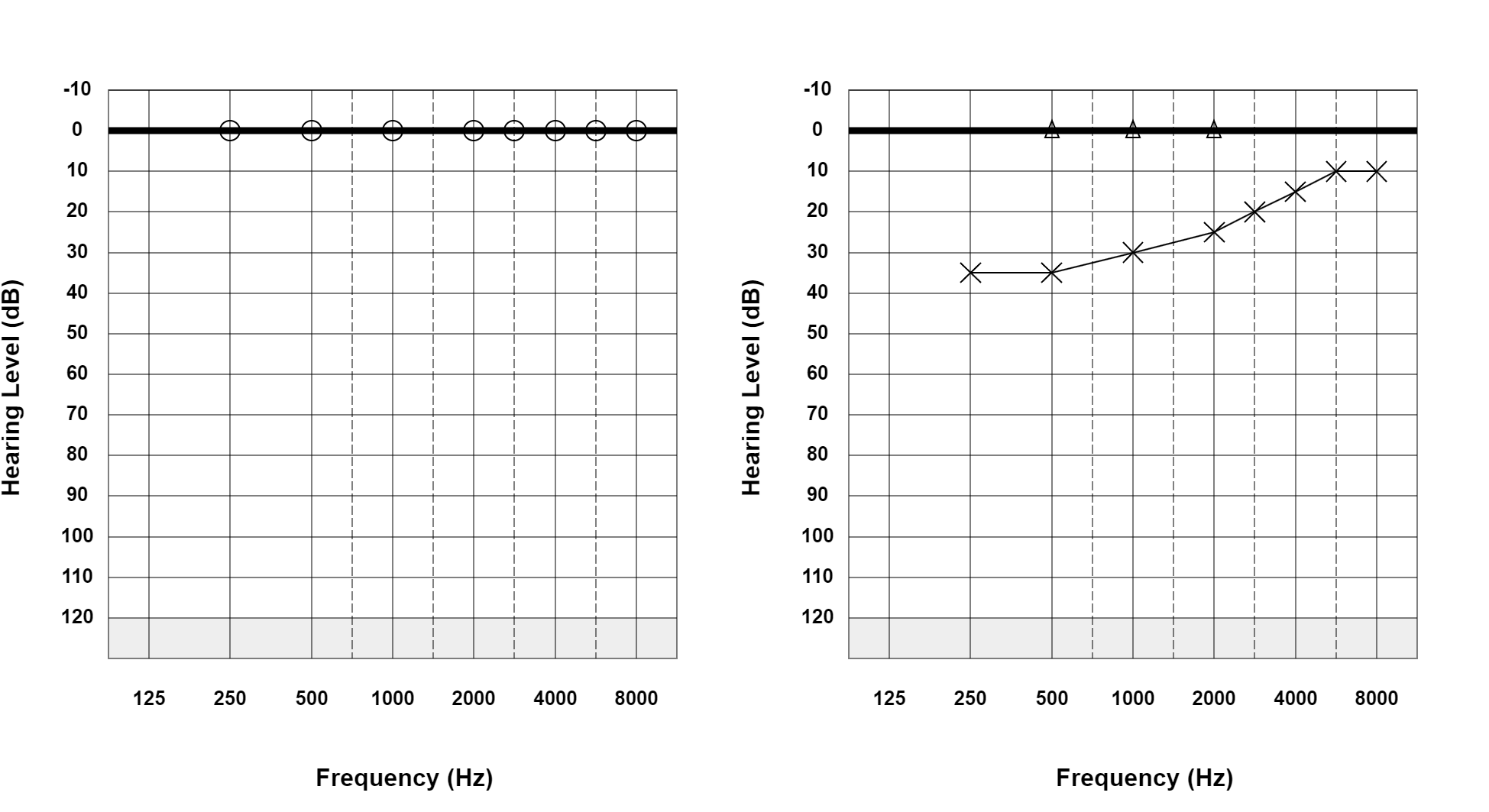
Not-masked AC and initial BC supplied. Identify and measure the remaining masked thresholds.
MediumPractice · tools availableCase 34
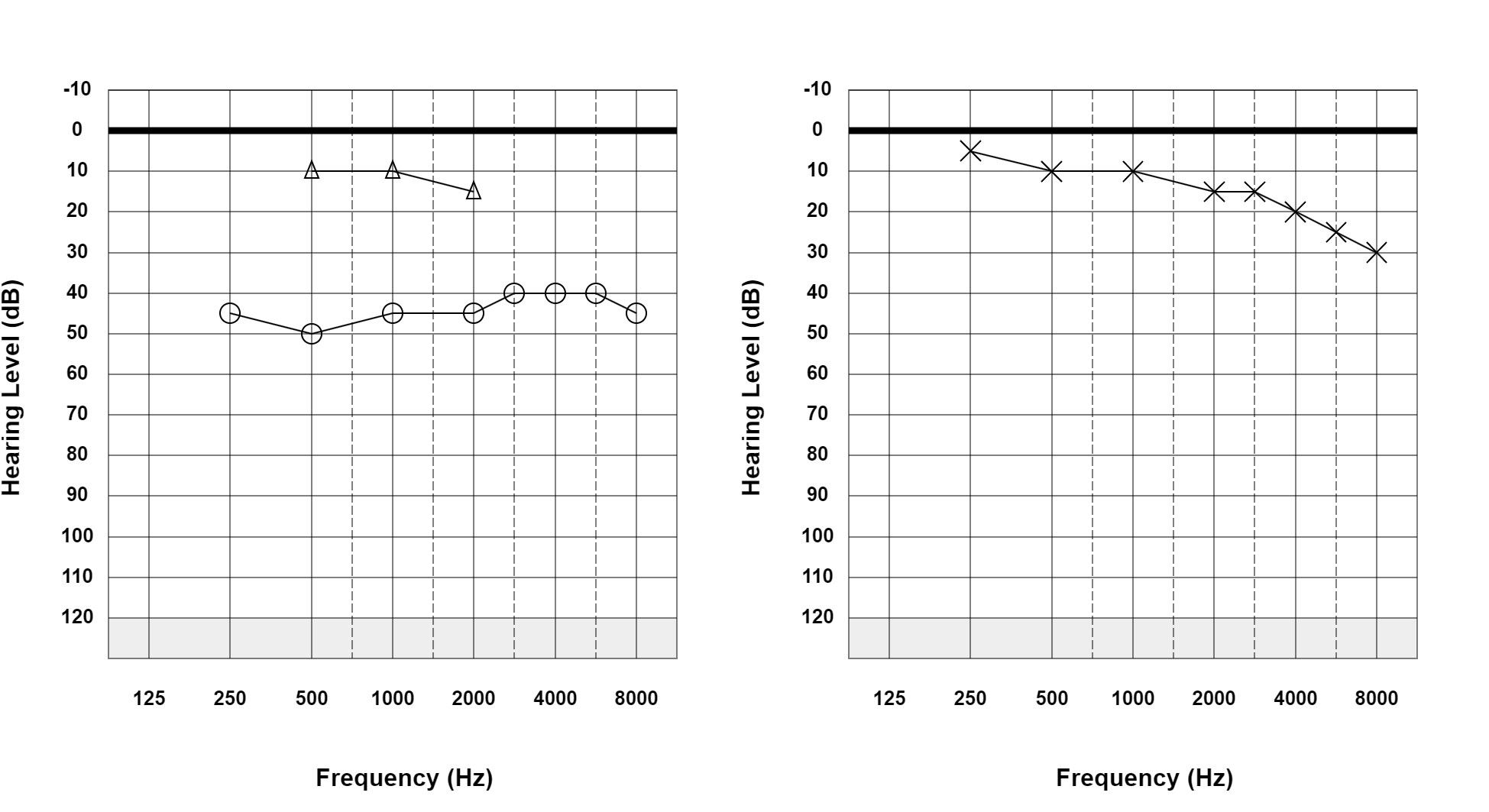
Not-masked AC and initial BC supplied. Identify and measure the remaining masked thresholds.
HardPractice · tools availableCase 35
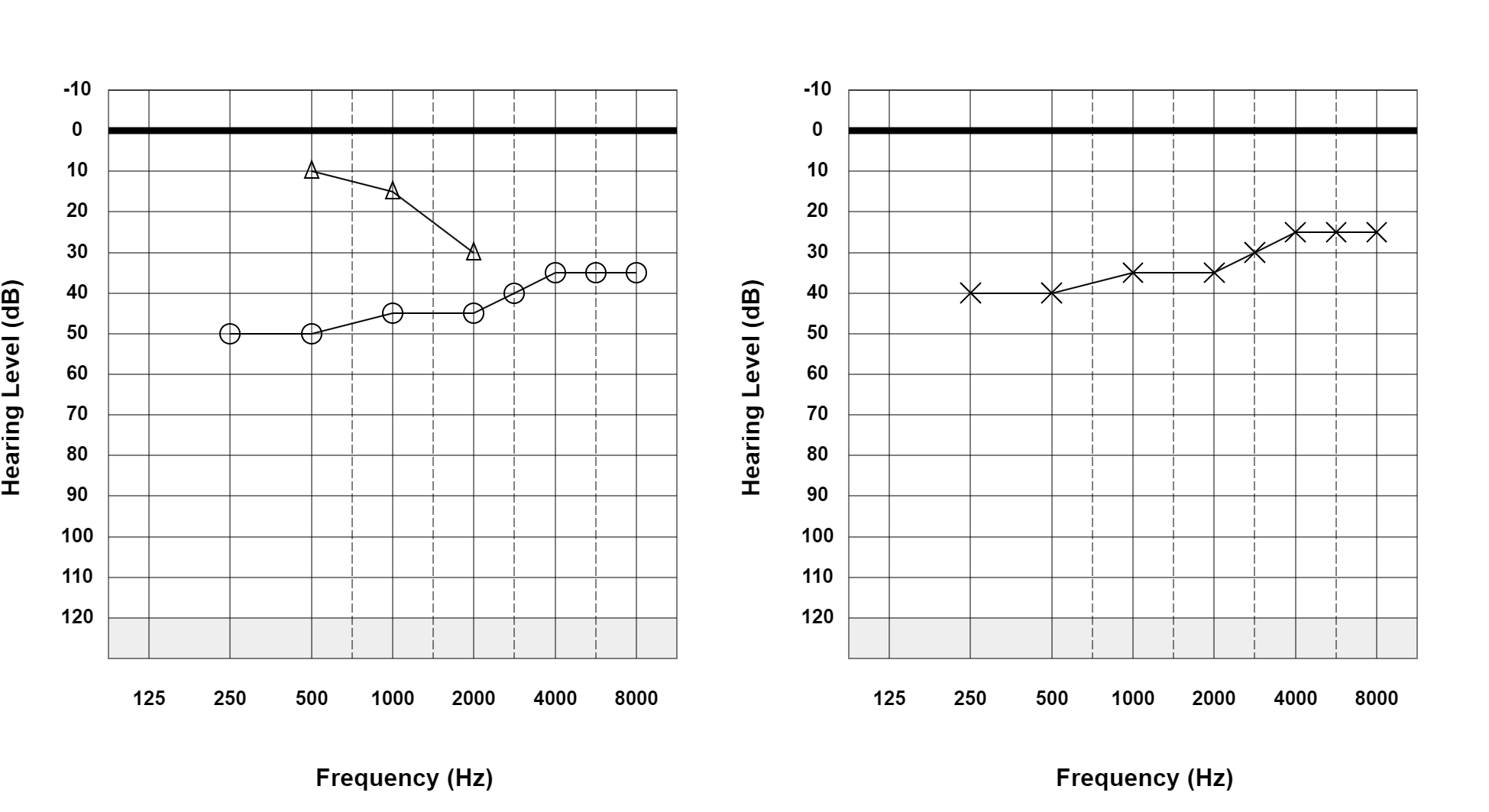
Not-masked AC and initial BC supplied. Identify and measure the remaining masked thresholds.
EasyAssessment · full taskCase 36
Case history: The patient is uncertain if they have a better ear, likely both the same
Start with an empty audiogram. Measure AC and BC, identify any masking requirements and complete the test.
MediumAssessment · full taskCase 37
Case history: The patient reports that their right ear is their better-hearing ear.
Start with an empty audiogram. Measure AC and BC, identify any masking requirements and complete the test.
HardAssessment · full taskCase 38
Case history: The patient reports that their left ear is their better-hearing ear.
Start with an empty audiogram. Measure AC and BC, identify any masking requirements and complete the test.
MediumAssessment · full taskCase 39
Case history: The patient reports that their left ear is their better-hearing ear.
Start with an empty audiogram. Measure AC and BC, identify any masking requirements and complete the test.
HardAssessment · full taskCase 40
Case history: The patient reports that their right ear is their better-hearing ear.
Start with an empty audiogram. Measure AC and BC, identify any masking requirements and complete the test.